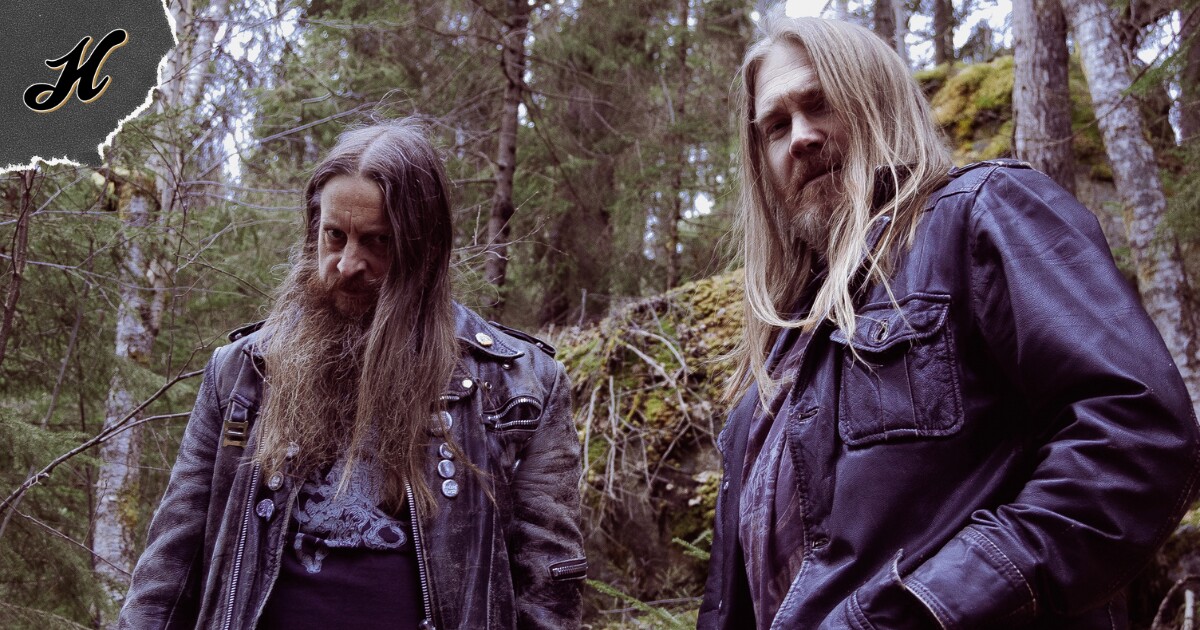
Norwegian extreme metal pioneers Darkthrone have maintained a significant influence on the global black metal genre for four decades, evolving from death metal roots into a cult-status entity defined by artistic independence. Formed in 1986 in Kolbotn, the duo of Gylve “Fenriz” Nagell and Ted “Nocturno Culto” Skjellum has consistently rejected commercial trends, favoring a raw, lo-fi aesthetic that defined the second wave of Norwegian black metal in the early 1990s. According to official band records and historical archives from the National Library of Norway, the group’s trajectory reflects a deliberate withdrawal from mainstream music industry expectations.
The Origins of a Cult Phenomenon
The band originated as a death metal act called Black Death before officially adopting the name Darkthrone in 1987. Their early sound, documented on their 1991 debut Soulside Journey, aligned with the technical death metal movement prevalent in Scandinavia at the time. However, the band quickly pivoted toward a more primitive, atmospheric sound. As noted in the biography provided by AllMusic, this shift was punctuated by the release of A Blaze in the Northern Sky in 1992, which is widely cited by music historians as a cornerstone of the black metal genre.
This transition was not merely musical but ideological. Fenriz and Nocturno Culto famously distanced themselves from the high-production values that characterized the era’s emerging metal scene. By embracing a “necro” sound—characterized by thin, harsh guitar tones and minimalist production—they established a blueprint for the genre’s “True Norwegian Black Metal” aesthetic. This commitment to artistic autonomy has remained a central pillar of their career, as confirmed in interviews archived by Rolling Stone.
Evolving Beyond the Second Wave
While often categorized by their early 1990s output, Darkthrone’s discography spans over 20 studio albums, demonstrating a willingness to incorporate elements of crust punk, speed metal, and doom metal. The band’s refusal to perform live since the mid-1990s has further solidified their enigmatic reputation. Instead of touring, the duo has focused exclusively on studio recordings, an approach that has allowed them to control their output without the pressures of the concert industry.
Their later work, including albums like The Underground Resistance (2013) and Eternal Hails…… (2021), showcases a departure from the strict black metal orthodoxy. Critics and musicologists have noted that this evolution is not a rejection of their history, but an expansion of their influences. According to data from the Discogs database, the band has maintained a prolific release schedule, often recording in their own rehearsal space to ensure total creative control over the final product.
Why Their Legacy Persists
The enduring appeal of Darkthrone lies in their consistency and their rejection of the “rock star” archetype. By staying in their home region and maintaining day jobs alongside their musical careers, Fenriz and Nocturno Culto have positioned themselves as authentic figures within an often performative industry. This “everyman” status, coupled with their extensive knowledge of metal history—frequently shared by Fenriz through various media platforms—has fostered a deep connection with their global fanbase.
The band’s influence is frequently cited by contemporary artists who look to their early 90s output as a standard for purity and uncompromising artistic vision. As documented in the Guardian’s coverage of the band’s 2016 release, the duo remains largely indifferent to critical acclaim or commercial success, focusing instead on the continued exploration of their own musical interests.
Looking Toward the Future
As of late 2024, the band continues to operate with the same independence that defined their formation. There are no scheduled public appearances or major promotional tours, consistent with their established modus operandi. Fans and followers of the duo typically receive updates on new material through their official social media channels and label communications via Peaceville Records, which has handled their discography for several decades.

For those interested in the history of the movement, the National Library of Norway provides access to various cultural archives that document the rise of the Norwegian extreme metal scene. Readers are encouraged to share their thoughts on the band’s evolution and their impact on the metal landscape in the comments section below.
Worth a look