
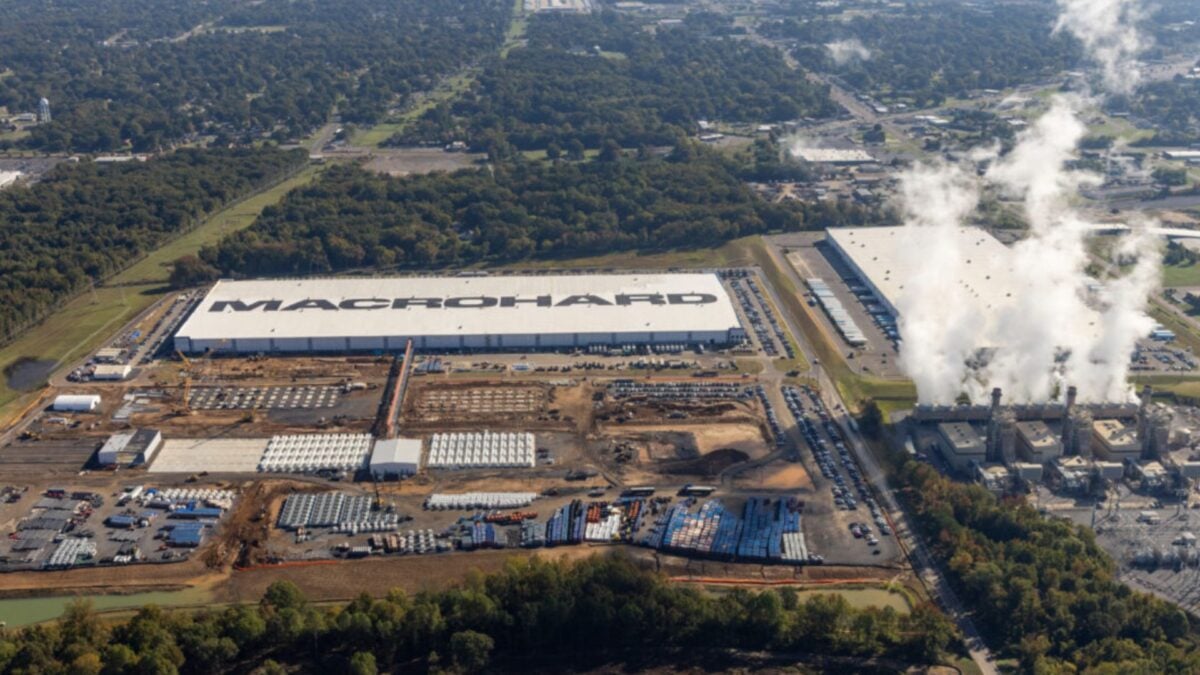
In the first quarter of 2026, developers faced disruptions to 75 planned data center projects globally, according to data tracking industrial real estate and infrastructure development. These project delays and cancellations, often attributed to intensifying local opposition and tightening regulatory scrutiny, highlight a growing friction between the rapid expansion of artificial intelligence infrastructure and community concerns over resource consumption. As tech firms scramble to secure power and land, the rising tide of grassroots activism is increasingly forcing municipal governments to reconsider zoning approvals and environmental impact assessments.
The spike in project disruptions represents a significant shift in the operational environment for hyperscalers and colocation providers. While data centers are essential for cloud computing and AI model training, they are drawing intense fire for their massive electricity requirements and water-intensive cooling systems. According to the International Energy Agency (IEA), global electricity demand from data centers, AI, and the cryptocurrency sector could double by 2026, reaching over 1,000 terawatt-hours. This surge in demand is placing unprecedented strain on local grids, prompting residents and environmental groups to organize against new construction in their neighborhoods.
The Mechanics of Rising Local Opposition
Grassroots activity against data center siting has transitioned from isolated complaints to organized, multi-jurisdictional campaigns. In several North American and European markets, community groups are utilizing local land-use laws to challenge the “by-right” development status that data centers previously enjoyed. The core of this opposition often centers on three specific externalities: noise pollution from cooling fans, the aesthetic impact on rural landscapes, and the perceived threat to local water tables.
Legal challenges and zoning board appeals have become the primary tools for project obstruction. According to reports from Reuters, residents in regions such as Northern Virginia—the world’s largest data center market—have successfully pressured local governments to implement stricter buffer zone requirements and energy-efficiency mandates. These regulatory hurdles can add months or even years to the pre-construction phase, effectively stalling capital expenditure and forcing developers to re-evaluate their geographic footprints.
Why Energy Constraints are Stalling Development
The primary driver behind these project disruptions is not just political, but logistical. Data centers require consistent, high-voltage power delivery, often necessitating the construction of new substations and transmission lines. When local utility providers cannot guarantee the necessary load without triggering rate hikes for residential customers, project permits are frequently denied or deferred.

In 2025, several municipal utility boards in the United States began implementing moratoriums on new large-scale industrial hookups while they assessed grid stability. The Federal Energy Regulatory Commission (FERC) has held recent technical conferences to address the interconnection queue crisis, where thousands of projects are currently waiting for grid access. For developers, the inability to secure a “will-serve” letter from a utility company is often the definitive cause for a project’s cancellation or indefinite suspension.
Impact on the AI Infrastructure Pipeline
The disruption of 75 projects in early 2026 poses a direct challenge to the aggressive timelines set by major cloud service providers. As firms like Microsoft, Google, and Amazon race to scale their AI training clusters, the scarcity of shovel-ready land with sufficient power capacity is driving up real estate prices in secondary markets. This “flight to secondary markets” often brings the same community opposition to regions previously unaccustomed to industrial-scale tech infrastructure.
Industry analysts note that developers are responding by investing in on-site power generation, such as small modular reactors (SMRs) or large-scale battery energy storage systems (BESS), to bypass grid constraints. However, these solutions introduce their own regulatory complexities and safety concerns, which often trigger a second wave of community opposition. According to the Nuclear Regulatory Commission (NRC), the licensing process for advanced reactor technology remains rigorous, ensuring that any move toward on-site generation will face significant public oversight.
What Happens Next for Developers and Communities
The next major checkpoint for this trend will arrive in the third quarter of 2026, when several state legislatures in the U.S. and provincial councils in Europe are scheduled to review updated zoning ordinances regarding industrial energy use. These legislative sessions are expected to set new precedents for how municipalities balance economic development incentives against environmental and community quality-of-life standards.

For stakeholders, the path forward involves increased transparency. Developers who engage in early, proactive communication with residents—and who commit to concrete sustainability targets like water neutrality or 24/7 carbon-free energy—are finding more success in navigating the current climate. As the industry matures, the ability to secure a “social license to operate” is becoming as critical to project success as securing financing or power infrastructure.
We invite readers to share their experiences or observations regarding data center development in their local communities in the comments section below. For ongoing updates on infrastructure policy, consult the official portals of your regional energy commission and local planning department.