
The Xiaomi Redmi Note 15 Pro has emerged as a significant player in the mid-range smartphone market, with recent retail pricing fluctuations placing the device at approximately 205 € to 233 € across various European online marketplaces. As a tech editor, I have monitored the device’s market trajectory since its release, noting that while initial launch prices were positioned at a higher premium, current inventory adjustments have made the hardware specifications—notably the AMOLED display and 8 GB to 12 GB RAM configurations—increasingly accessible to budget-conscious consumers.
Market analysts often track these price drops as part of standard inventory clearance cycles ahead of new product launches. According to retail data monitored by Le Parisien, the device has seen significant markdowns from its original manufacturer-suggested retail price, which was previously listed near 420 €. These adjustments are common in the electronics sector as manufacturers like Xiaomi prepare for the next iteration of their hardware lineups. For consumers, the primary value proposition of the Redmi Note 15 Pro remains its display technology and memory capacity, which often rival more expensive flagship devices.
Technical Specifications and Hardware Value
The core appeal of the Xiaomi Redmi Note 15 Pro lies in its display and memory architecture. The device features an AMOLED panel, a technology known for superior color reproduction and contrast ratios compared to standard LCD screens found in similarly priced handsets. According to technical specifications published by Xiaomi’s official product portal, the integration of high-refresh-rate AMOLED technology is designed to improve user experience in media consumption and general interface navigation. The availability of models equipped with 8 GB or 12 GB of RAM provides a level of multitasking capability that is frequently absent in entry-level smartphones.
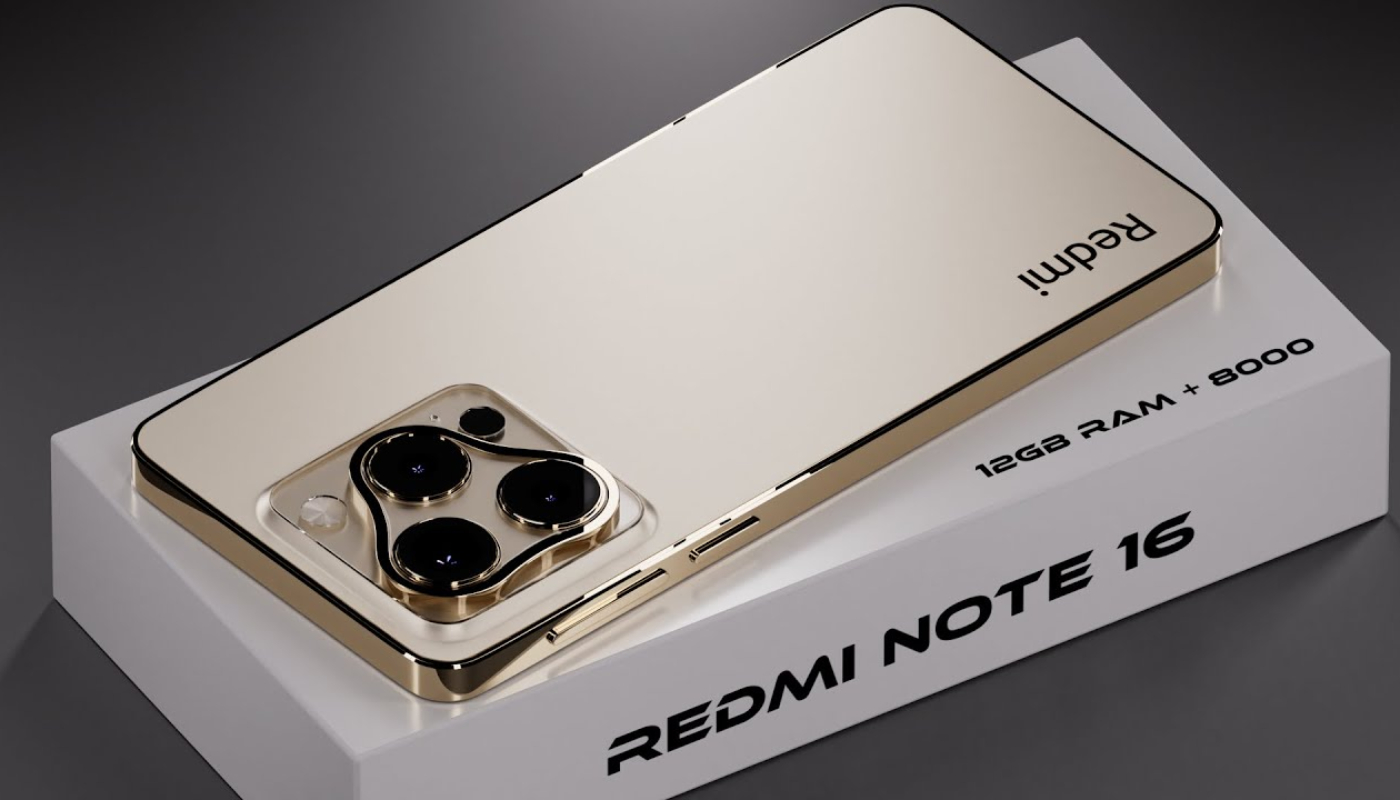
Memory and storage configurations vary by retailer, with some listings highlighting 512 GB of internal storage as a key differentiator. Market reports from Ouest-France indicate that these high-spec variants are being offered at competitive price points during promotional windows, often dipping below the 240 € threshold. For users, this means the ability to store high-resolution photos and applications without immediate reliance on cloud storage or external expansion, a practical benefit for those holding onto devices for multi-year lifecycles.
Market Positioning and Inventory Trends
Retailers frequently adjust prices to manage stock levels, a process that has led to the current pricing volatility for the Redmi Note 15 series. It is important for buyers to differentiate between official manufacturer price cuts and temporary third-party retailer promotions. As noted by 20 Minutes, major e-commerce platforms often trigger these price drops to incentivize sales during off-peak periods or as part of larger seasonal clearance events. These fluctuations do not typically indicate a change in the phone’s internal hardware quality but rather reflect the competitive nature of the mobile device resale market.
When considering a purchase at these reduced price points, consumers should verify the specific regional model and warranty status. Because Xiaomi operates through various global distribution channels, the specific software version and band support can vary. Prospective buyers are encouraged to check official support pages to ensure the device model matches their specific network operator requirements. This due diligence is a standard practice for anyone sourcing electronics from large, multi-vendor marketplaces where inventory origins may vary.
What to Consider Before Purchasing
While the current pricing for the Redmi Note 15 Pro presents a high value-to-cost ratio, it is useful to assess the device in the context of one’s personal needs. The inclusion of AMOLED technology and significant RAM is a baseline for modern performance, yet long-term value is also determined by software support cycles. Xiaomi typically provides a defined schedule for security updates and Android version upgrades, details of which are maintained on the Xiaomi Security Center website.
If you are looking to invest in a device for the next two to three years, check the release date of the specific model variant you are purchasing. Buying a device six months or more after its initial release can be an effective strategy to avoid the “early adopter” tax, provided the manufacturer continues to support the software. As retailers continue to clear older stock, further price adjustments may occur, though availability of specific colorways or high-capacity storage models may decrease as supplies dwindle.
We will continue to monitor major retail shifts and official announcements regarding the next generation of Xiaomi handsets as they become available. If you have found a deal on the Redmi Note 15 Pro or have questions about its performance in daily tasks, please share your experiences in the comments section below.