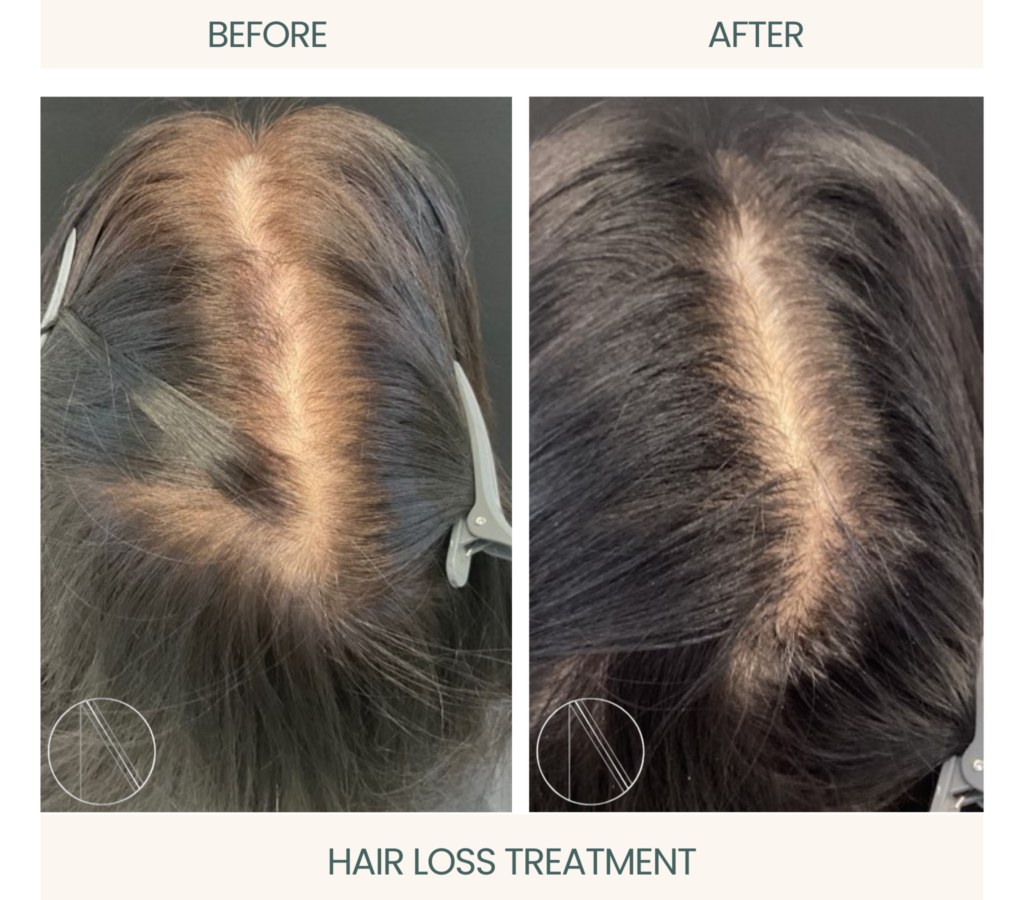
In the modern dating landscape, the search for a “perfect” partner often involves a complex balance between emotional compatibility and physical attraction. However, the discovery of a specific physical trait—such as crown hair loss—can sometimes trigger an unexpected internal conflict for those in the early stages of a romantic relationship. When a potential partner is perceived as being “great in every way” except for a visible area of thinning hair, it highlights the significant psychological weight that aesthetic standards continue to hold in social perceptions of attractiveness.
As a physician and health journalist, I have observed that hair loss is rarely just a dermatological issue; it is often tied deeply to an individual’s self-esteem and how they are viewed by others. The tension between finding someone’s personality irresistible while struggling with a specific physical characteristic, like baldness on the crown of the head, reflects a broader societal conversation about beauty standards and the acceptance of natural aging or genetic predispositions.
While these discussions often surface in social forums as points of humor or hesitation, they underscore the need for a more holistic approach to health and attraction—one that prioritizes overall well-being over the absence of physical imperfections.
The Social Weight of Crown Hair Loss
Crown hair loss, specifically thinning at the vertex of the scalp, is a common occurrence that can significantly impact a person’s confidence. In the context of early-stage dating, where first impressions are paramount, such a trait can become a focal point of scrutiny. When an individual is described as being otherwise ideal, the presence of hair loss is often framed as the “one thing” that creates hesitation, illustrating how specific aesthetic markers can disproportionately influence romantic attraction.
This phenomenon suggests that for many, hair is not merely a biological feature but a symbol of youth, vigor, and health. When this symbol is compromised, it can lead to a perceived loss of “perfection,” even if the individual is otherwise highly compatible. From a public health perspective, addressing the stigma surrounding hair thinning is essential to reducing the anxiety and psychological distress associated with the condition.
Understanding Diverse Forms of Hair Thinning
It is important to recognize that hair loss is not limited to a single demographic or cause. While crown thinning is frequently discussed in the context of male pattern baldness, hair loss manifests in various ways across different populations and life stages. For instance, women may experience significant hair thinning due to hormonal shifts, particularly following childbirth.
Postpartum hair loss is a well-documented occurrence where the sudden drop in estrogen levels after delivery causes hair follicles to enter a resting phase. This can be a distressing experience for new mothers, regardless of how thick their hair was prior to pregnancy.
By comparing these different experiences—the social anxiety of crown hair loss in dating and the physiological transition of postpartum hair loss—we can see that thinning hair is a universal human experience. Whether triggered by genetics or hormonal changes, the emotional response remains similar: a feeling of loss and a concern for how the world perceives the change.
A Clinical Perspective on Aesthetic Concerns
From a medical standpoint, the “imperfections” that cause hesitation in romantic partners are often benign physiological processes. The challenge lies in the gap between clinical reality and social expectation. When we categorize a partner as “perfect except for” a certain trait, we are operating under a rigid definition of beauty that rarely accounts for the reality of human biology.
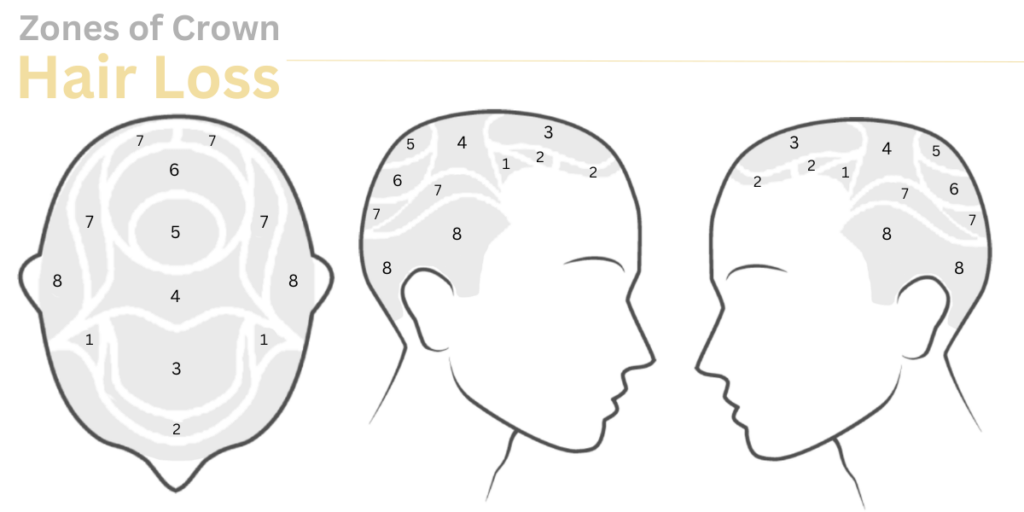
Promoting a culture of health literacy involves understanding that traits like hair thinning are common and, in most cases, do not reflect the overall health or vitality of the person. Encouraging partners to gaze beyond these specific markers can foster healthier, more resilient relationships based on authentic connection rather than an unattainable aesthetic ideal.
Key Takeaways
- Psychological Impact: Physical traits like crown hair loss can create significant emotional conflict in early romantic relationships.
- Universal Experience: Hair thinning affects diverse groups, including men experiencing vertex loss and women facing postpartum hair loss.
- Stigma vs. Reality: There is often a disconnect between the clinical nature of hair loss and the social stigma attached to it.
- Holistic Attraction: Prioritizing emotional compatibility over specific aesthetic markers leads to more sustainable romantic connections.
As we continue to navigate the intersection of health and social perception, the goal should be to decouple a person’s value and attractiveness from their adherence to a specific physical standard. Whether dealing with crown thinning or the temporary loss of hair after pregnancy, the focus should remain on health, support, and acceptance.
We look forward to further discussions on how evolving beauty standards impact mental health. Please share your thoughts in the comments below or share this article with others navigating similar conversations.
Worth a look