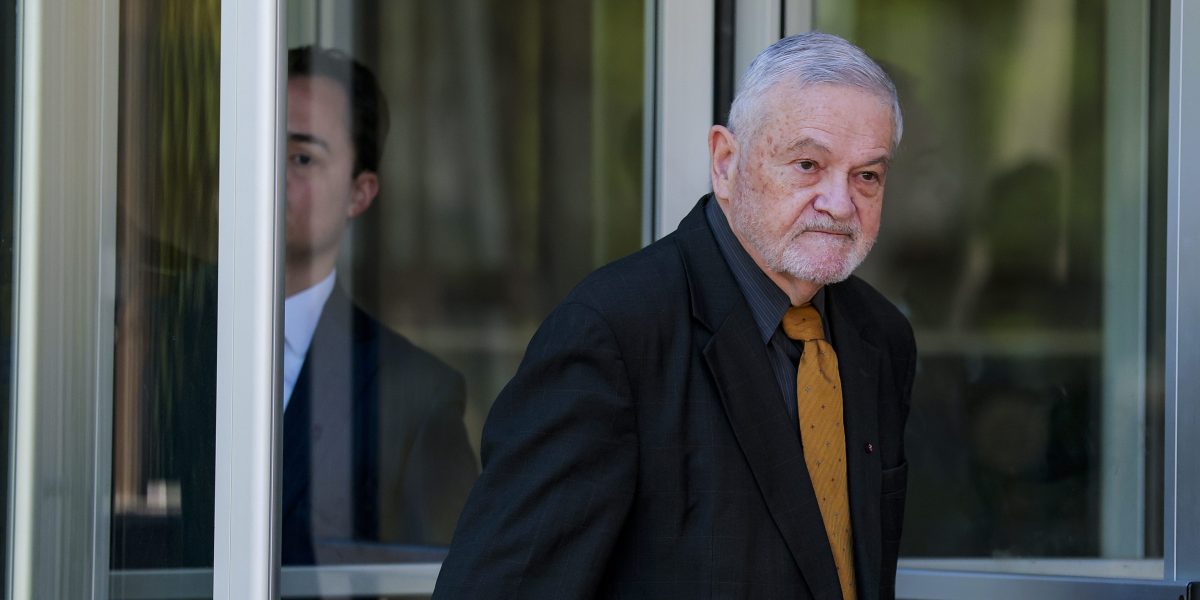
FOIA Evasion Now a Felony: How the Morens Case Could Redefine Government Transparency
In a landmark case that could reshape how the U.S. Enforces transparency laws, a former senior official at the National Institute of Allergy and Infectious Diseases (NIAID) now faces felony charges for allegedly destroying federal records to evade Freedom of Information Act (FOIA) requests—a move legal experts warn may signal a new era of selective prosecution under transparency laws.
Dr. David Morens, 78, a retired senior adviser at NIAID, was arrested on May 8, 2026, in Greenbelt, Maryland, and charged with conspiracy, destruction of federal records, and obstruction of justice. Prosecutors allege Morens used personal email accounts to conceal communications related to COVID-19 research grants, deleted records, and provided false information to investigators. If convicted, he could face up to 20 years in prison per count of record destruction, along with additional penalties for conspiracy and obstruction.
What makes this case unprecedented is the severity of the charges. While FOIA violations have historically been handled through civil penalties or administrative actions, Morens’s prosecution marks the first time the Department of Justice (DOJ) has pursued felony charges for such conduct. Legal scholars warn this could set a dangerous precedent, particularly if enforcement is applied inconsistently based on political alignment.
Why This Case Matters: Key Implications
- First Felony Prosecution: Morens is the first former federal official charged criminally under FOIA for record destruction, raising questions about selective enforcement.
- Political Context: The charges come amid widespread reports of declining federal transparency, including backlogged FOIA requests and removals of public health data.
- Systemic Failures: NIAID’s FOIA office currently faces a backlog of over 1,100 requests, with the agency over two months late in publishing its annual FOIA report for fiscal year 2026.
- Broader Impact: Legal experts argue that criminalizing FOIA evasion could deter whistleblowers and researchers who rely on personal communications for sensitive discussions.
- Next Steps: Morens’s next court appearance is scheduled for June 12, 2026, in U.S. District Court for Maryland.
The Allegations: How a Retired Scientist Became a Felony Suspect
According to the indictment filed by the DOJ, Morens—who served as a senior adviser at NIAID from 2006 to 2022—allegedly took deliberate steps to obstruct FOIA requests by:

- Using personal email accounts (including Gmail) to communicate about COVID-19 research, knowing that federal records are subject to FOIA requests.
- Deleting emails and other records after they were sent to personal accounts, as confirmed by internal NIAID communications reviewed by investigators.
- Providing false information to federal investigators during the probe, which began in 2024.
The indictment includes a verbatim quote attributed to Morens in an internal message: “I learned from our FOIA lady here how to make emails disappear after I’m FOIA’d but before the search starts. … Plus I deleted most of those earlier emails after sending them to my Gmail.” While the DOJ has not yet released the full email chain, the quote was confirmed in court filings and aligns with the allegations in the indictment.
Morens’s legal team has not yet responded publicly to the charges. His arraignment on May 8 included a strip search by federal agents—a procedure that has drawn criticism from civil liberties groups, who argue it disproportionately targets older individuals and violates privacy norms.
A New Standard for FOIA Enforcement?
The DOJ’s decision to pursue felony charges against Morens is striking given its historical approach to FOIA violations. In past cases—including those involving high-profile figures like:
- Hillary Clinton: Used a private email server while Secretary of State. faced no criminal charges, though the FBI investigated her conduct.
- Sandy Berger: Former national security adviser pleaded guilty to removing classified documents from the National Archives in 2004; received probation and a fine.
- Multiple congressional staffers: Charged with obstructing FOIA requests in civil cases, with penalties limited to fines or reprimands.
Morens’s case stands out for its severity. Under 18 U.S. Code § 1519 (destruction of records to obstruct a federal investigation), he faces up to 20 years per count of record destruction, with additional time for conspiracy. The DOJ has not explained why this case warrants criminal charges while others did not.
Legal experts, including those at the Reporters Committee for Freedom of the Press, warn that criminalizing FOIA evasion could have chilling effects. “If the government starts prosecuting scientists and officials for using personal emails to discuss work-related matters, it could deter open communication—especially in sensitive areas like public health research,” said a 2023 analysis by The New York Times.
Who’s Asking the Questions? The Politics of FOIA Requests
The DOJ has not disclosed which organizations triggered the FOIA requests Morens allegedly evaded. However, court documents suggest the requests came from conservative-leaning groups, including:
- The Heritage Foundation
- Judicial Watch
- U.S. Right to Know
This raises critical questions: Would the DOJ have pursued felony charges if the requesters were environmental groups, press organizations, or academic researchers? The lack of transparency around the requesters’ identities fuels suspicions of selective enforcement, particularly in an era where federal agencies are increasingly resistant to FOIA requests.
For example, the Department of Health and Human Services (HHS), where NIAID is housed, has faced widespread criticism for:
- A backlog of over 1,100 pending FOIA requests as of May 2026, according to internal HHS data reviewed by Politico.
- A delay in publishing its annual FOIA report, which is over two months late for the current fiscal year.
- Reports of understaffed and underfunded FOIA offices across federal agencies.
Secretary Robert F. Kennedy Jr., who leads HHS, has been accused of hollowing out FOIA operations, including reductions in staff and resources. Critics argue that targeting Morens while systemic FOIA failures persist sends a mixed message about government accountability.
What Happens Next? The Road Ahead for Morens and FOIA Reform
Morens’s case is far from over. His next court appearance is scheduled for June 12, 2026, where his legal team will likely file motions to dismiss or negotiate plea deals. If the case proceeds to trial, experts predict it could take 12–18 months to reach a verdict.

Beyond Morens’s individual fate, the case could have broader implications for:
- Whistleblowers and Researchers: Will scientists and officials think twice before using personal emails for sensitive discussions?
- FOIA Reform: Could this case spur Congress to pass stronger transparency laws or penalties for agencies that fail to comply?
- Selective Enforcement: Will future FOIA violators face criminal charges only if they obstruct requests from politically opposed groups?
One potential solution gaining traction among transparency advocates is tying agency budgets to FOIA performance. For example, the Sunlight Foundation has proposed legislation that would:
- Penalize agencies with chronic FOIA backlogs by withholding discretionary funds.
- Reward agencies that meet response deadlines with additional resources.
- Require annual audits of FOIA operations by independent oversight bodies.
“The problem isn’t just bad actors like Morens—it’s a broken system that fails to hold agencies accountable for ignoring FOIA requests,” said a 2026 Brookings Institution report. “Structural reforms would address the root causes while still holding individuals accountable.”
How to Stay Informed: Official Updates and Resources
For readers following this case, here are key resources:
Worth a look
- Delta Air Lines Permanently Cancels Three Direct JFK Routes to Key US Destinations
- CJ CheilJedang Altive Protein Drinks and Low-Sugar Soy Milk Lineup
- DOJ Drops Charges Against David Hearn as Reflecting Pool Damage Was Botched Work (time.news)
- At typically tranquil Camp David, Trump publicly lashes out at political enemies (archyworldys.com)