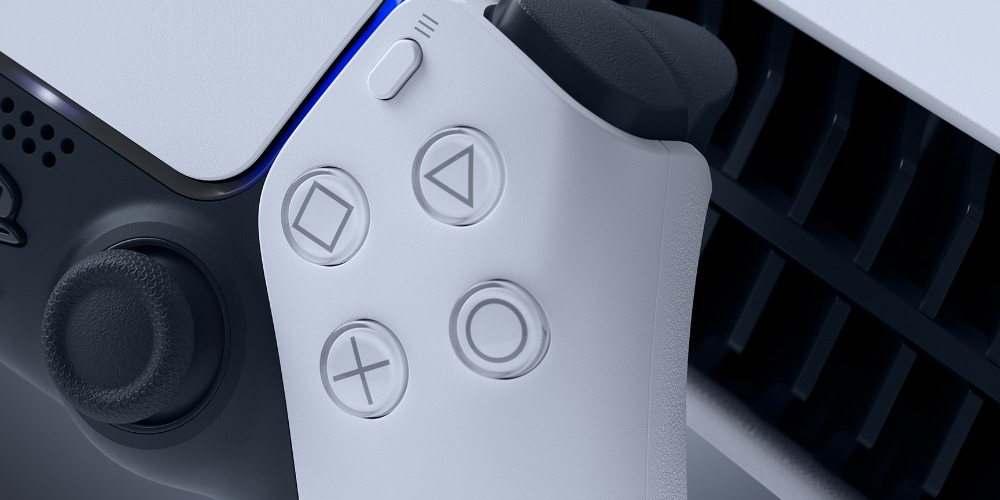
Sony Interactive Entertainment has officially revealed that the PlayStation 5 (PS5) has reached a global milestone of 93.7 million units shipped. The figure was disclosed during the company’s final quarterly results for fiscal year 2025, marking a significant presence in the current console generation but also highlighting a cooling trend in hardware demand.
While the total shipment number remains impressive, the latest data suggests the PS5 is entering the latter half of its lifecycle. In the fourth quarter of fiscal year 2025—covering the period from the start of January 2026 through the end of March 2026—Sony shipped 1.5 million units. This represents a sharp decline compared to the 2.8 million units shipped during the same quarter of fiscal year 2024, a drop of nearly 50% according to financial results reported by PushSquare.
For industry observers and consumers, these numbers provide a clear window into the current state of the gaming market. The transition from the explosive growth seen during the early years of the console’s launch to a more stabilized, slower growth phase is typical for the industry. However, the pace at which the PS5 is tracking compared to its predecessor, the PlayStation 4, offers a critical point of comparison for Sony’s long-term strategy.
As we analyze the intersection of hardware sales, ecosystem growth, and future financial forecasts, it becomes evident that Sony is shifting its focus from raw hardware volume to the sustainability of its digital ecosystem and the preparation for what comes next.
Hardware Momentum and the PS4 Comparison
The 93.7 million units shipped is a formidable number, yet it places the PS5 slightly behind the trajectory of the PlayStation 4. At the same stage in its own lifecycle, the PS4 had reached 97 million units shipped, leaving the PS5 approximately 3.3 million units behind its predecessor as detailed in Sony’s quarterly reporting. This gap, while relatively small in the context of nearly 100 million units, indicates a slightly slower adoption curve for the current generation.
The total shipments for the entire 2025 fiscal year stood at 16 million units, a decrease from the 18.5 million units shipped during fiscal year 2024. This downward trend is expected as a console ages; most “early adopters” and “mainstream” buyers have already acquired the hardware. The remaining market typically consists of “late adopters” who often wait for price cuts or a definitive “slim” or “pro” version to enter the ecosystem.
Interestingly, Sony’s pricing strategy has diverged from previous generations. Historically, Sony implemented price cuts in the back half of a console’s life to stimulate family purchases and clear inventory. This time, the PS5 has seen price increases. For instance, the PS5 Pro experienced a $150 price hike shortly after the conclusion of the fourth quarter of the 2025 fiscal year per PushSquare. Because these increases took effect after the March 31 deadline, they did not negatively impact the Q4 shipment numbers, though they may influence future adoption rates.
Ecosystem Health: PSN and Software Sales
While hardware sales are decelerating, the PlayStation ecosystem continues to show resilience through its services and software. As of March 31, 2026, the PlayStation Network (PSN) reached 125 million monthly active users, an increase of one million over the previous fiscal year according to reports from PSU. This growth in the user base is a vital metric for Sony, as it drives recurring revenue through digital storefronts and subscription services.

Software sales, however, have mirrored the slight dip seen in hardware. During the quarter ending March 31, the PS5 and PS4 combined to sell 74.6 million units of software. This figure is 1.5 million units lower than the same period in the previous year as reported by PSU. This suggests that while the user base is growing, the frequency of software purchases per user may be slightly declining, or the market is experiencing a temporary lull in “must-have” blockbuster releases.
The relationship between hardware and software is symbiotic; hardware provides the gateway, but software and services provide the long-term profit. The fact that PSN continues to grow despite the hardware slowdown suggests that Sony is successfully retaining its audience and transitioning them into a service-oriented consumption model.
Financial Outlook and the Path to Next-Gen
Looking toward fiscal year 2026, Sony has provided a cautious but stable financial forecast. The company stated that its operating income forecast for fiscal year 2026 is essentially flat year-on-year when compared to fiscal year 2025 results (excluding one-time items) according to official statements cited by PSU. This stagnation in operating income is not a sign of failure, but rather a strategic choice: Sony is increasing investments in its “next-generation platform.”
This indicates that Sony is already allocating significant capital toward the research, development, and infrastructure of the successor to the PS5. By absorbing these costs now, Sony expects the profit generated by its current business to continue growing at a double-digit rate once these investment factors are excluded.
Regarding hardware production for the coming year, Sony’s strategy will be dictated by the supply chain. The company plans to base PS5 hardware sales in fiscal year 2026 on the volume of memory it can procure at reasonable prices per PushSquare. This highlights the ongoing impact of semiconductor and memory market volatility on console manufacturing. Despite these variables, Sony expects hardware profitability to remain essentially the same as it was in fiscal year 2025.
Key Takeaways from Sony’s FY2025 Results
- Total PS5 Shipments: 93.7 million units worldwide.
- Q4 Performance: 1.5 million units shipped (a nearly 50% drop from 2.8 million in the same quarter last year).
- Lifecycle Comparison: The PS5 trails the PS4’s historical pace by 3.3 million units.
- Network Growth: PlayStation Network (PSN) grew to 125 million monthly active users.
- Future Strategy: Operating income for FY2026 is expected to be flat due to increased investments in the next-generation platform.
Analysis: What This Means for the Gaming Industry
The data provided by Sony reveals a broader trend in the consumer electronics and gaming sectors. The “pandemic boom,” which saw a surge in home entertainment spending and caused widespread stock shortages for the PS5 upon its November 2020 launch, has completely subsided. We are now seeing a return to a normalized, linear lifecycle.
The shift toward “next-generation platform” investment is perhaps the most telling piece of information. In the console world, the transition period between generations is the most volatile. Sony’s decision to maintain flat operating income to fund future development suggests they are prioritizing the long-term technological leap over short-term quarterly profit spikes. This is a classic “moat-building” strategy, ensuring that when the next console arrives, it possesses a technological advantage that justifies a premium price point.
the focus on memory procurement indicates that the “silicon lottery” and supply chain constraints of 2020-2022 have been replaced by a more nuanced struggle over component costs. For Sony, the goal is no longer just “getting units on shelves,” but “maintaining margins” in an environment where component prices fluctuate.
For the consumer, this means the PS5 is now a mature product. With the introduction of the PS5 Pro and the stabilization of the software library, the current generation has reached a point of equilibrium. Those who have not yet entered the ecosystem are facing a market where hardware is available, but costs are rising rather than falling.
The next major milestone for Sony will be the further disclosure of its next-generation platform’s development progress and the subsequent financial reports for the first half of fiscal year 2026. These reports will reveal whether the increased investment in future tech is beginning to yield tangible results or if the hardware slowdown is accelerating faster than the ecosystem can compensate.
What are your thoughts on the PS5’s trajectory? Do you think the shift toward next-gen investment is happening too early, or is it a necessary move to stay ahead of the competition? Let us know in the comments below.
Worth a look