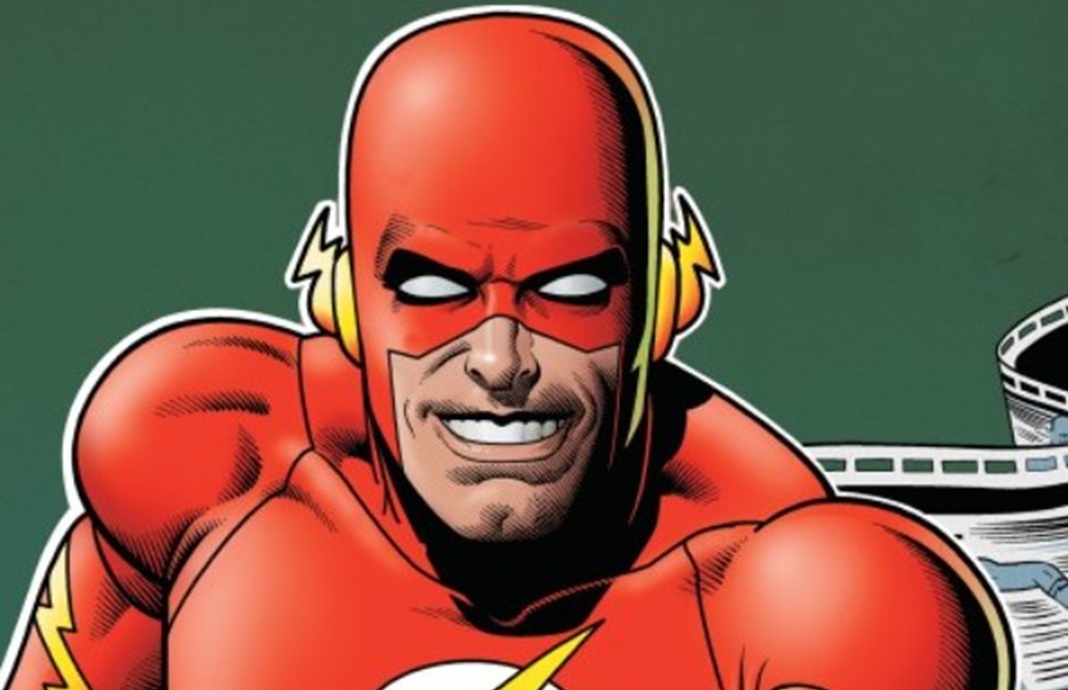
For fans of the Scarlet Speedster, the enduring appeal of Wally West has always been the tension between his god-like velocity and his deeply human heart. In the latest installment of the series, The Flash #31, writer Ryan North and artist Gavin Guidry lean heavily into this duality, exploring the friction that occurs when the fastest man alive attempts to slow down for the people he loves most.
Released on March 25, 2026, this issue marks the launch of a new narrative arc titled “Flashes of Insight.” The story finds Wally West navigating the precarious balance of domesticity and duty, reminding readers that even for a hero who can perceive time in attoseconds, the mundane challenges of family life remain the most complex puzzles to solve. Priced at $3.99, the issue serves as a character study wrapped in the kinetic energy of a high-stakes superhero comic.
The creative team brings together a polished synergy of talent. While Ryan North handles the script, the visual identity of the issue is shaped by the pencils of Gavin Guidry, the colors of Adriano Lucas, and the lettering of Buddy Beaudoin. The cover art, a collaboration between Guidry and Giovanna Niro for Cover A, sets the stage for an issue that is as much about the warmth of the West household as It’s about the electric chaos of Central City.
Balancing the Speed Force and the Home Front
The narrative of The Flash #31 opens with a relatable, if superhuman, domestic scene. Wally West is seen attempting to juggle the everyday requirements of a family dinner with the instantaneous demands of his role as the protector of the city. In a moment that highlights the intersection of his powers and his private life, Wally utilizes his speed to “perfectly” reheat a frozen casserole, a detail that grounds the character in a recognizable, human reality.
However, this domestic bliss is short-lived. The peace is shattered when Wally is forced to intervene in a chaotic confrontation involving the villain Tar Pit. The situation is further complicated by a misplaced wand belonging to the Weather Wizard, which triggers the creation of a self-sustaining tornado. This sequence allows the story to pivot from the quiet intimacy of the home to the grand scale of superhero action, showcasing Wally’s ability to apply scientific principles under pressure.
To neutralize the storm, Wally employs a scientific approach, utilizing Coriolis force interruption to dissipate the tornado. This emphasis on the “science” of speed is a hallmark of the character’s intelligence, ensuring that his victories are not merely the result of raw power, but of tactical and intellectual application. For more information on the character’s history and current runs, readers can visit the official DC Comics website.
Visual Vibrancy and the Art of the Speed Force
From a visual standpoint, The Flash #31 is a triumph of color theory and line work. Gavin Guidry’s clean lines provide a stable foundation for the action, but it is Adriano Lucas’s color palette that truly elevates the experience. Lucas employs a warm, saturated palette for the West family home, creating an atmosphere of safety and affection that contrasts sharply with the electric, high-energy environments of the Speed Force.
The rendering of the Speed Force itself is particularly noteworthy. The energy is depicted as a bubbling, golden glow that crackles across the pages, effectively capturing the kinetic energy inherent to the character. This visual choice does more than just look impressive. it reinforces the emotional tone of the issue, making the transition from the “cozy living room” to “high-speed chaos” feel earned and visually distinct.
Key Creative Credits for The Flash #31
| Role | Credit |
|---|---|
| Writer | Ryan North |
| Artist (Pencils) | Gavin Guidry |
| Colorist | Adriano Lucas |
| Letterer | Buddy Beaudoin |
| Cover Art (A) | Gavin Guidry & Giovanna Niro |
| Release Date | March 25, 2026 |
The Logic of “Hero-Baiting”
While the art and domestic character beats are praised, the issue introduces a conceptual conflict that has proven divisive. Following the resolution of the tornado, Wally experiences a vivid and jarring vision of a terrifying new social trend: civilian “hero-baiting.” This premise suggests a world where civilians intentionally create or seek out dangerous situations to attract the attention of superheroes, likely for social media visibility or public notoriety.
This narrative turn attempts to comment on modern celebrity culture and the performative nature of public endangerment. However, the execution of this “hero-baiting” logic has been described as technically disjointed. The transition from a traditional villain encounter with Tar Pit to a sociological critique of civilian behavior feels abrupt, leaving a gap in the narrative logic that may frustrate readers looking for a seamless plot progression.
Despite this friction, the “Flashes of Insight” arc establishes a clear thematic goal: examining how a hero maintains their mental health and familial bonds in an era of instant gratification and public scrutiny. By placing Wally in a position where he must navigate not just physical threats, but the psychological toll of a changing society, Ryan North is attempting to modernize the Flash’s struggle.
Final Verdict: A Must-Read for Die-Hards
The Flash #31 is a visually stunning issue that succeeds in its portrayal of Wally West’s heart and home. The collaboration between Guidry and Lucas creates a vivid world where the Speed Force feels alive and the stakes feel personal. While the narrative logic regarding the “hero-baiting” trend may feel slightly unpolished, the emotional core of the story remains intact.
For casual readers, the disjointed nature of the central conflict might be a deterrent. However, for die-hard fans of the Flash and those invested in the domestic evolution of Wally West, the issue is a rewarding experience. It reinforces the idea that the most hard race Wally ever runs is the one that leads him back to his family at the end of the day.
As the “Flashes of Insight” arc continues, readers will be watching to see how North resolves the tension between Wally’s public image and his private desires. The next phase of the story is expected to delve deeper into the consequences of the hero-baiting phenomenon and how it alters the relationship between the Flash and the citizens of Central City.
Do you think “hero-baiting” is a realistic evolution of the superhero genre, or does it detract from the core action of the series? Share your thoughts in the comments below and let us know if you’re following the “Flashes of Insight” arc.
Keep reading