
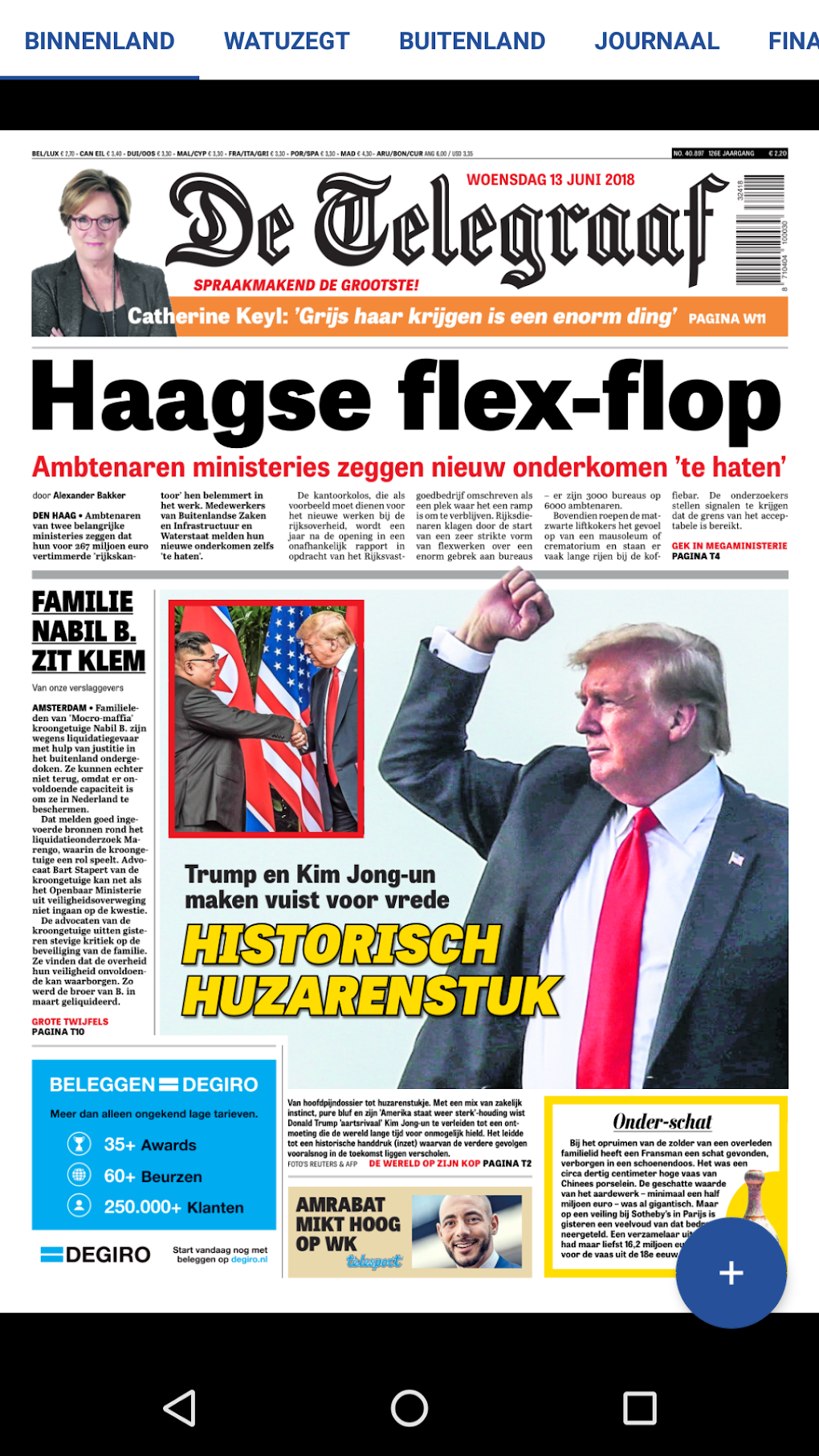
The Dutch government is preparing new measures to alleviate the financial burden on motorists facing escalating costs at the pump. As reported in the digital edition of De Telegraaf on Monday, April 13, 2026, the cabinet is developing plans to provide relief to citizens struggling with high fuel prices, a move that reflects growing economic pressure on households across the Netherlands.
This initiative comes at a critical time for the Dutch economy, where transport costs significantly influence the broader cost of living. For many commuters and logistics professionals, the volatility of energy markets has translated into direct financial strain, prompting the government to intervene with targeted support mechanisms to stabilize consumer spending and maintain mobility.
As Chief Editor of Business at World Today Journal, I have observed a recurring pattern in European economic policy where governments are forced to balance long-term green energy transitions with the immediate, pragmatic needs of a workforce reliant on internal combustion engines. The Dutch cabinet’s current focus on fuel price relief is a clear indicator of the tension between environmental mandates and economic stability.
Dutch Government Fuel Price Relief: Addressing the Pump Crisis
The core of the current policy discussion centers on the cabinet’s intent to assist motorists in their struggle against high prices at the pump. While the specific mechanisms of the relief—whether through tax adjustments, direct subsidies, or vouchers—have not been fully detailed in the initial reports, the objective is clear: reducing the immediate financial impact of fuel costs on the general population according to the April 13 edition of De Telegraaf.
From a macroeconomic perspective, high fuel prices act as a regressive tax, disproportionately affecting lower- and middle-income earners who cannot easily switch to electric vehicles or utilize public transport for all their needs. By implementing relief measures, the Dutch government aims to prevent a dip in consumer confidence and protect the purchasing power of its citizens.
The timing of these plans suggests a reactive approach to market volatility. When fuel prices spike, the ripple effect is felt throughout the supply chain, increasing the cost of transporting goods and, subsequently, raising the price of groceries and essential services. This intervention is not merely a gesture of goodwill toward motorists but a strategic move to curb inflationary pressures within the domestic market.
The Evolution of Digital News Consumption in the Netherlands
The announcement of these economic plans coincides with the continued digital transformation of the Dutch media landscape. The availability of the digital newspaper for Monday, April 13, 2026, underscores the shift toward “e-papers” and PDF editions, allowing readers to access breaking headlines and deep-dive analysis instantaneously as seen in the daily digital offerings.
For business professionals and policy analysts, the transition to digital-first news delivery is essential. The ability to monitor government policy shifts in real-time allows markets to react more efficiently and enables businesses to adjust their operational costs based on anticipated subsidies or tax changes. The digital edition serves as a primary conduit for these critical updates, ensuring that the public remains informed about the cabinet’s legislative trajectory.
Beyond Economics: Daily Guidance and Lifestyle Trends
While the headlines are dominated by economic policy and fuel costs, the digital publication also continues to serve the lifestyle needs of its audience. The edition for April 13 includes detailed daily horoscopes, providing personalized guidance for various zodiac signs, which reflects the diverse content strategy required to maintain a broad readership in a competitive digital market as detailed in the daily forecasts.

The horoscopes for the day provide a wide array of advice, ranging from financial caution to relationship management. For instance, those under the sign of Leo are advised to avoid luxury purchases and use the moment to clarify financial matters, while individuals under the sign of Virgo are encouraged to monitor their expenses closely. While these segments differ vastly from cabinet-level economic policy, they highlight the holistic approach of modern news outlets in blending hard news with lifestyle content to drive user engagement.
Key Takeaways from the April 13 Reports
- Government Intervention: The Dutch cabinet is planning measures to help motorists combat high fuel prices.
- Economic Driver: The move is aimed at reducing the cost of living and mitigating the impact of pump price volatility on households.
- Media Accessibility: The shift toward digital newspapers ensures rapid dissemination of policy updates to the public.
- Diverse Content: News publications continue to integrate lifestyle elements, such as daily horoscopes, alongside critical economic reporting.
The next critical checkpoint for this story will be the official announcement of the specific relief mechanisms by the Dutch cabinet, which will determine the actual financial benefit for the average motorist. We will continue to monitor the legislative process to see how these plans are codified into law.
Do you believe government intervention in fuel pricing is an effective way to combat inflation, or should the focus remain on accelerating the transition to electric mobility? Share your thoughts in the comments below.