
The political climate in Flanders has reached a critical tipping point as the government, steered by the influence of Bart De Wever and the N-VA, faces a looming budgetary stalemate. Opposition parties are signaling a potential fourth attempt to block the government’s “program law,” a move that threatens to paralyze key administrative functions and result in significant financial losses for the region.
At the heart of the conflict is the loi-programme—or program law—a specialized legal mechanism that allows the Flemish government to implement its policy objectives and allocate funds before a full, comprehensive budget is formally ratified. When this law is blocked, the government is forced to operate on a provisional basis, typically relying on “twelfths” of the previous year’s budget. This restrictive financial state prevents the launch of new initiatives and freezes the deployment of fresh capital.
The current standoff is not an isolated incident but rather the latest chapter in a recurring cycle of legislative friction. By threatening to block the program law for a fourth time, the opposition is leveraging the region’s financial stability to force concessions from the ruling coalition. The stakes have escalated beyond mere political posturing, with government officials warning that the continued deadlock is costing the public millions of euros in lost opportunities and administrative inefficiency.
As the Flemish Parliament prepares for the upcoming vote, the tension underscores a deeper ideological divide within the region. The De Wever-led coalition is pushing for a streamlined, efficiency-driven agenda, while the opposition argues that the government’s current trajectory ignores critical social and environmental imperatives. The result is a legislative bottleneck that leaves essential public services in a state of precarious uncertainty.
Understanding the Program Law and the “Twelfths” Trap
To understand why the blockage of a program law is so disruptive, one must first understand the unique nature of Flemish budgetary governance. In a standard legislative cycle, a government proposes a budget, the parliament debates it, and once passed, the government has a clear mandate to spend. However, the program law serves as a bridge, allowing the executive branch to initiate policy programs and commit resources to specific goals without waiting for the exhaustive process of a full budget vote.
When the opposition successfully blocks this law, the government falls into what is colloquially known as the “twelfths” system. Under this regime, the government can only spend one-twelfth of the previous year’s budget each month. While this ensures that basic operations—such as paying civil servant salaries—continue, it effectively kills any new project. If the government planned to invest in a new healthcare facility or a digital infrastructure upgrade that was not in last year’s budget, those funds cannot be accessed.
This budgetary paralysis creates a ripple effect across the Flemish economy. Contractors who have bid on government projects find their contracts stalled; non-profits relying on new grants face insolvency; and the government itself loses the ability to respond to emerging crises. The Flemish Parliament operates under strict rules regarding these budgetary authorizations, and the repeated use of the blockage as a political tool has created an environment of chronic instability.
A Pattern of Obstruction: The Fourth Blockage
The prospect of a fourth blockage is particularly alarming to the ruling coalition. In previous instances, the government was able to navigate the deadlock through last-minute compromises or by utilizing emergency decrees. However, the repetition of this tactic suggests that the opposition is no longer seeking minor adjustments but is instead attempting to fundamentally derail the De Wever government’s policy roadmap.
The opposition’s strategy is rooted in a desire to bring the government back to the negotiating table on issues ranging from climate targets to social welfare spending. By targeting the program law, they hit the government where It’s most vulnerable: its ability to deliver on its campaign promises. For the N-VA and its partners, Here’s seen as a “hostage-taking” of public funds for political gain.
The cycle of blockage and provisional spending has led to a fragmented implementation of policy. Instead of a cohesive strategic plan for the region, the government has been forced to adopt a “survivalist” approach to budgeting, prioritizing immediate needs over long-term structural investments. This fragmented approach is precisely what the program law is designed to avoid, making its repeated failure a symptom of a broader breakdown in parliamentary cooperation.
The Financial Toll: “Millions of Euros” at Risk
The warning that “millions of euros are being lost” is not merely rhetorical. The financial impact of a budgetary deadlock manifests in several distinct ways, each contributing to a mounting deficit of efficiency and growth.
First, there is the issue of European Union funding. Many of the projects funded by the Flemish government are co-financed by EU grants. These grants often come with strict deadlines for disbursement. If the Flemish government cannot authorize its share of the funding because the program law is blocked, the region risks losing the EU portion of the grant entirely. In the world of high-stakes infrastructure and research, a missed deadline can result in the forfeiture of millions of euros in external investment.

Second, the lack of budgetary certainty leads to “inflationary delays.” When projects are paused for months due to a lack of authorized funding, the cost of materials and labor often rises. By the time the budget is finally approved, the original allocations are no longer sufficient, requiring the government to request additional funds to complete the same work—effectively wasting taxpayer money through inefficiency.
Third, the administrative cost of operating on “twelfths” is substantial. Government agencies must spend an inordinate amount of time managing provisional allocations and auditing previous years’ spending to find “loopholes” that allow for critical current needs. This diverts thousands of man-hours away from actual governance and into the tedious management of a financial crisis.
Political Calculus: Why the Opposition Persists
From the perspective of the opposition, the financial loss is a secondary concern compared to the risk of allowing the De Wever government to implement policies they deem harmful. The opposition argues that passing a program law without significant amendments would be an abdication of their oversight role. They contend that the government is using the program law to bypass deeper parliamentary scrutiny of its priorities.
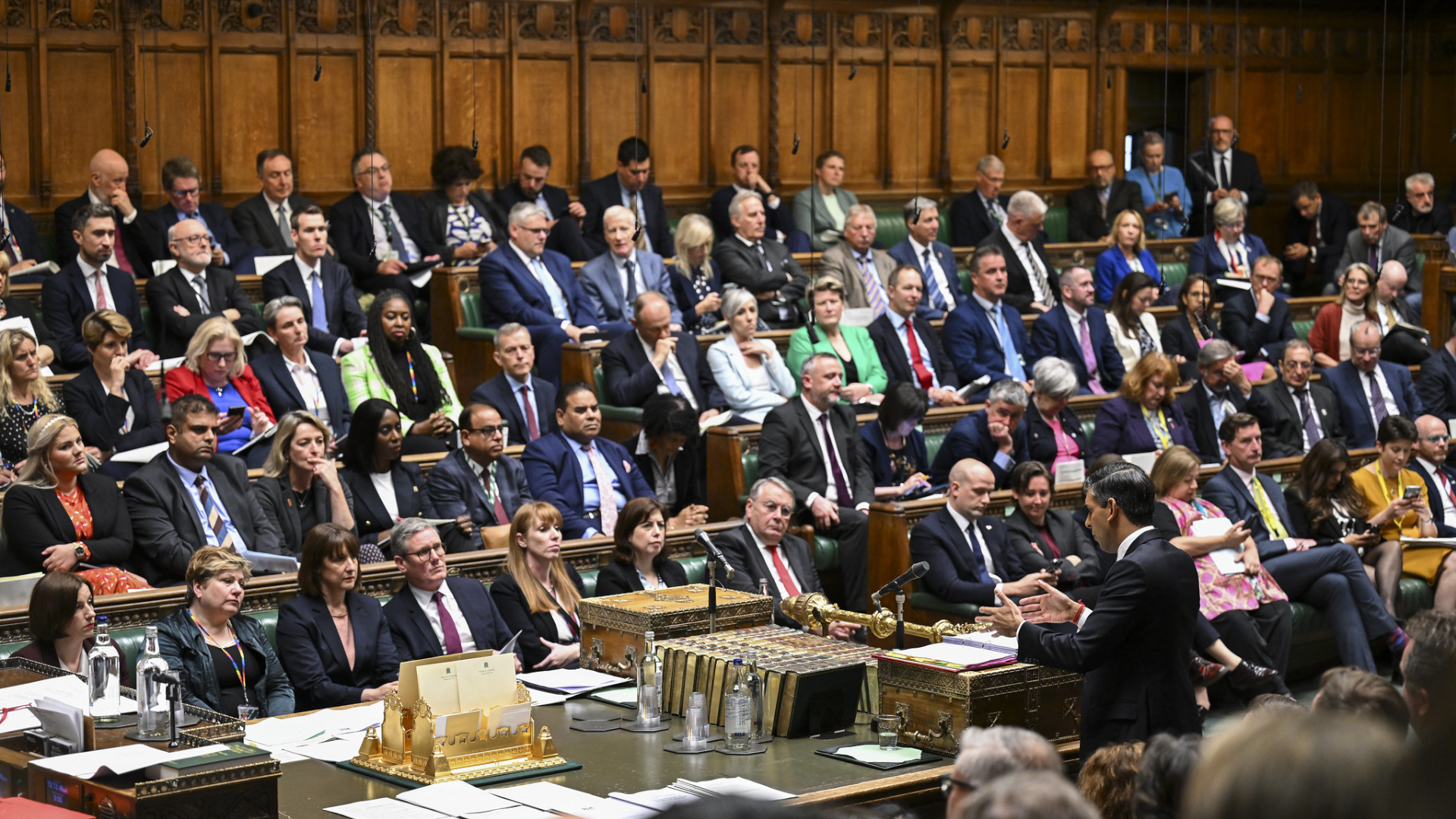
The opposition parties—comprising a mix of socialists, liberals, and greens—are attempting to build a unified front. They believe that if they can demonstrate that the government is incapable of securing a budgetary mandate, it will weaken the coalition’s standing with the public. In their view, the “millions lost” are a price worth paying to ensure that the government does not unilaterally steer the region toward a policy direction they oppose.
However, this strategy carries a significant political risk. If the public perceives the opposition as the primary cause of stalled infrastructure projects or delayed social services, the narrative could shift from “holding the government accountable” to “obstructing the public interest.” The opposition is betting that the government’s policy failures will be more memorable than the budgetary delays.
The Path Forward and Potential Solutions
As the deadline for the next vote approaches, there are three likely scenarios. The first is a continued deadlock, where the government remains on provisional spending, further deepening the financial losses and increasing political volatility.
The second scenario is a “grand compromise,” where the De Wever government makes significant concessions on one or two high-profile policy issues in exchange for the opposition’s support of the program law. This would provide immediate financial relief but could alienate the government’s own base by appearing to buckle under pressure.
The third, and perhaps most sustainable, option is a structural reform of how program laws are handled in the Flemish Parliament. Some political analysts suggest creating a “minimum essential spending” framework that cannot be blocked by the opposition, ensuring that critical investments and EU-funded projects are protected regardless of the political climate. This would decouple essential regional development from the immediate frictions of party politics.
For now, the Flemish government remains in a precarious position. The ability to govern is not just about having a majority in parliament; it is about the ability to move money. Without the program law, the De Wever government has the title of power but lacks the tools of execution.
The next confirmed checkpoint in this saga will be the upcoming parliamentary session scheduled for the latter half of May, where the vote on the revised program law is expected to take place. This vote will determine whether Flanders returns to a state of strategic investment or continues its slide into budgetary stagnation.
Do you believe the opposition is justified in using budgetary blockages to force policy changes, or is this a dangerous game with public funds? Share your thoughts in the comments below.
Related reading