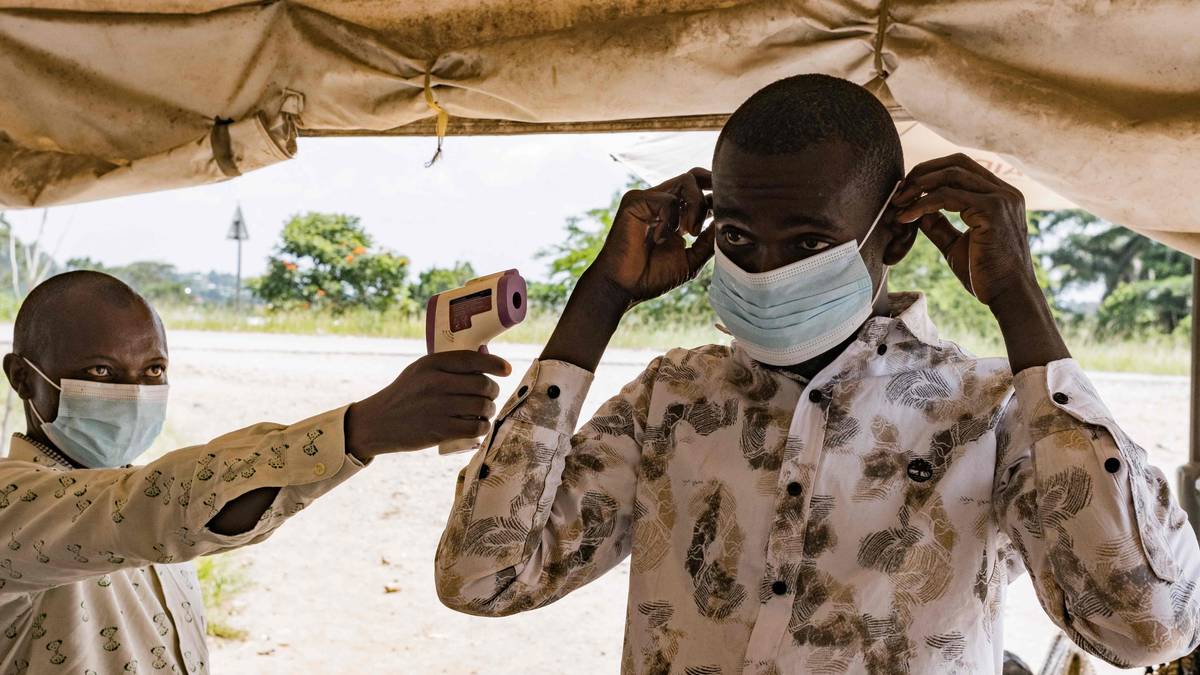
Deadly Ebola Variant Outbreak in Congo: WHO Declares Global Health Emergency as Rare Strain Spreads Unchecked
The World Health Organization (WHO) has declared a global health emergency over a rapidly escalating Ebola outbreak in the Democratic Republic of the Congo (DRC), caused by the rare Bundibugyo virus. With no approved vaccines or therapeutics available for this variant, health officials warn the situation could spiral into a catastrophic pandemic if containment efforts fail. The outbreak, now affecting multiple provinces, has prompted mass evacuations of foreign nationals and triggered panic among regional health authorities.
The Bundibugyo virus, one of six Ebola virus species, has a fatality rate of up to 88% in confirmed cases, according to the WHO’s Ebola virus disease fact sheet. Unlike the more commonly discussed Sudan and Zaire ebolaviruses, this strain has no licensed countermeasures, leaving medical teams with limited tools to combat its spread. The current outbreak—first detected in late April—has already claimed at least 47 lives and infected 123 people across North Kivu and Ituri provinces, with suspected cases in neighboring Uganda.
In a dramatic escalation, the WHO Director-General Tedros Adhanom Ghebreyesus convened an emergency committee on May 17, 2026, declaring the outbreak a Public Health Emergency of International Concern (PHEIC), the highest alert level. “We are at a critical juncture,” Tedros warned during a press briefing. “This virus moves silently but lethally through communities, and without immediate, coordinated action, we risk losing control entirely.”
The declaration comes as the DRC government struggles to contain the virus in areas already destabilized by armed conflict. Health workers report difficulty accessing remote villages where outbreaks are concentrated, while local resistance to vaccination efforts—fueled by misinformation and distrust—has complicated response operations. The situation has been further exacerbated by the evacuation of foreign nationals, including American citizens, from high-risk zones near Goma, a city of nearly 2 million people.
Key Developments in the Ebola Outbreak
- Global Emergency Declared: WHO’s PHEIC designation triggers international aid mobilization and travel advisories.
- No Vaccine Available: Bundibugyo virus lacks approved countermeasures, forcing reliance on experimental treatments.
- Evacuation Efforts: Over 300 foreign nationals, including Americans, have been airlifted from Congo and Uganda.
- Conflict Zone Challenges: Armed groups in North Kivu province obstruct health worker access to infected communities.
- Regional Spread Risk: Uganda confirms 17 suspected cases near the DRC border, raising cross-border containment concerns.
- Economic Impact: The DRC’s mining sector—critical to global supply chains—faces potential shutdowns in affected regions.
Why This Outbreak Is Different—and More Dangerous
The current Bundibugyo virus outbreak differs from previous Ebola crises in several critical ways. First, its high fatality rate and lack of specific treatments mean that even with aggressive containment, the death toll could rise sharply. Second, the virus’s presence in ongoing conflict zones—particularly North Kivu, where multiple armed factions operate—makes response efforts exceptionally difficult.

Dr. Matshidiso Moeti, WHO Regional Director for Africa, emphasized during a recent briefing that “the security situation is as much a threat as the virus itself.” Health workers have reported attacks on medical facilities in the past month, with three aid workers killed in separate incidents. “We’re not just fighting a disease—we’re fighting for access to communities that need us,” Moeti stated.
The outbreak’s geographic spread also raises alarms. While initially confined to rural areas, recent cases have been confirmed in Goma, a major urban center just 20 kilometers from the Rwandan border. The city’s dense population and role as a regional transport hub increase the risk of international transmission. Health officials are particularly concerned about the potential for the virus to spread via commercial air travel, given that Goma International Airport remains operational.
Evacuation and Travel Advisories
In response to the worsening crisis, the United States has evacuated over 150 citizens from the DRC, with additional flights scheduled for this week. The U.S. State Department raised its travel advisory for the DRC to Level 4: “Do Not Travel,” citing the Ebola outbreak alongside ongoing violence. Similar warnings have been issued by the UK Foreign Office, Canada’s Global Affairs, and the European Union.

For those already in the region, health authorities recommend:
- Avoiding all non-essential travel to North Kivu and Ituri provinces.
- Seeking immediate medical attention if experiencing fever, muscle pain, or hemorrhagic symptoms.
- Following strict hygiene protocols, including handwashing and avoiding contact with sick individuals.
- Monitoring official updates from the WHO Ebola situation room.
The Race for a Solution: Experimental Treatments and Vaccine Development
With no licensed treatments for the Bundibugyo virus, researchers are scrambling to repurpose existing Ebola therapies. The U.S. Food and Drug Administration (FDA) has granted emergency use authorization for two experimental drugs—REGN-EB3 and MB-003—originally developed for Zaire ebolavirus, which share some genetic similarities. However, their efficacy against Bundibugyo remains unproven.
Vaccine development is equally urgent. The National Institutes of Health (NIH) announced on May 16 that it has fast-tracked clinical trials for a modified adenovirus-vectored vaccine, with initial doses expected to reach Congo within two weeks. “This is a race against time,” said Dr. Anthony Fauci during a White House briefing. “We’re leveraging decades of Ebola research, but the Bundibugyo variant presents unique challenges.”
International funding has surged in response to the emergency. The Gavi, the Vaccine Alliance, pledged $50 million for rapid vaccine production, while the World Bank approved a $100 million emergency grant for containment efforts. However, aid groups warn that these funds must reach the ground quickly to prevent further spread.
Regional and Global Response: Who’s Doing What?
The WHO’s emergency declaration has galvanized international cooperation, but coordination remains a challenge. Below is a snapshot of key responses:
| Organization | Action Taken | Timeline |
|---|---|---|
| World Health Organization (WHO) | Declared PHEIC; deployed 200+ epidemiologists to DRC | May 17, 2026 |
| United States | Evacuated 150+ citizens; funded experimental treatments | May 10–18, 2026 |
| European Union | Deployed medical teams; banned non-essential travel to DRC | May 15, 2026 |
| Democratic Republic of Congo | Imposed curfews in Goma; closed borders with Uganda | May 12, 2026 |
| Uganda | Confirmed 17 suspected cases; reinforced border screening | May 14, 2026 |
Challenges on the Ground: Why Containment Is So Difficult
Despite international efforts, health workers in Congo face formidable obstacles. Three major challenges stand out:

- Armed Conflict: The ongoing insurgency in North Kivu, involving groups like the Allied Democratic Forces (ADF), has made it nearly impossible to deliver aid to some villages. The UN’s latest report estimates that 70% of health facilities in the region are either damaged or inaccessible.
- Misinformation: Rumors that Ebola is a “foreign conspiracy” have led to violent attacks on vaccination teams. In one incident last week, a mob in Beni stoned a clinic after false claims that the vaccine caused sterility.
- Infrastructure Gaps: The DRC’s healthcare system, already strained by decades of conflict, lacks the capacity to handle a large-scale outbreak. Only 47% of the population has access to basic healthcare, according to the World Bank.
What Happens Next? The Critical Weeks Ahead
The next 30 days will be decisive in determining whether the outbreak can be contained or spirals into a regional disaster. Health officials have identified three critical milestones:
- Vaccine Deployment (May 20–30): The first doses of the experimental adenovirus vaccine are expected to arrive in Goma. If successful, this could mark the beginning of a ring vaccination strategy to protect high-risk populations.
- Treatment Scaling (June 1–15): The WHO aims to establish three Ebola treatment centers in North Kivu, with capacity for 300 patients each. However, this depends on securing safe delivery routes.
- Regional Containment (June 15–30): Uganda and Rwanda must reinforce border screenings to prevent cross-border transmission. The African Union’s health task force is coordinating joint patrols with DRC authorities.
Dr. Jean Kaseya, the DRC’s Health Minister, acknowledged the gravity of the situation during a press conference yesterday. “We are at war with this virus,” he said. “But we have no choice but to fight. The alternative is unthinkable.”
“The Bundibugyo virus is a silent killer. It doesn’t announce itself with dramatic symptoms—it waits until it’s too late. That’s why early detection is our best weapon.”
How You Can Help: Reliable Sources and Actions
For readers seeking to stay informed or contribute to the response, here are verified resources and ways to support:
- WHO Ebola Situation Room: Real-time updates on cases, containment efforts, and safety advisories.
- CDC Ebola Information: Travel health notices and prevention guidelines for the U.S. Public.
- Médecins Sans Frontières (MSF) Donations: Direct funding for frontline medical teams in Congo.
- American Red Cross Ebola Relief Fund: Supports emergency response and medical supplies.
- UNICEF Ebola Appeal: Focuses on protecting children and families in affected regions.
Next Checkpoint: The WHO will hold a press briefing on May 22, 2026, to update on vaccine distribution and treatment center progress. The DRC government has scheduled a national emergency meeting on May 25 to reassess containment strategies.
This is a developing story. For the latest updates, follow World Today Journal and share this article to raise awareness. Have questions or insights? Join the discussion in the comments below.