
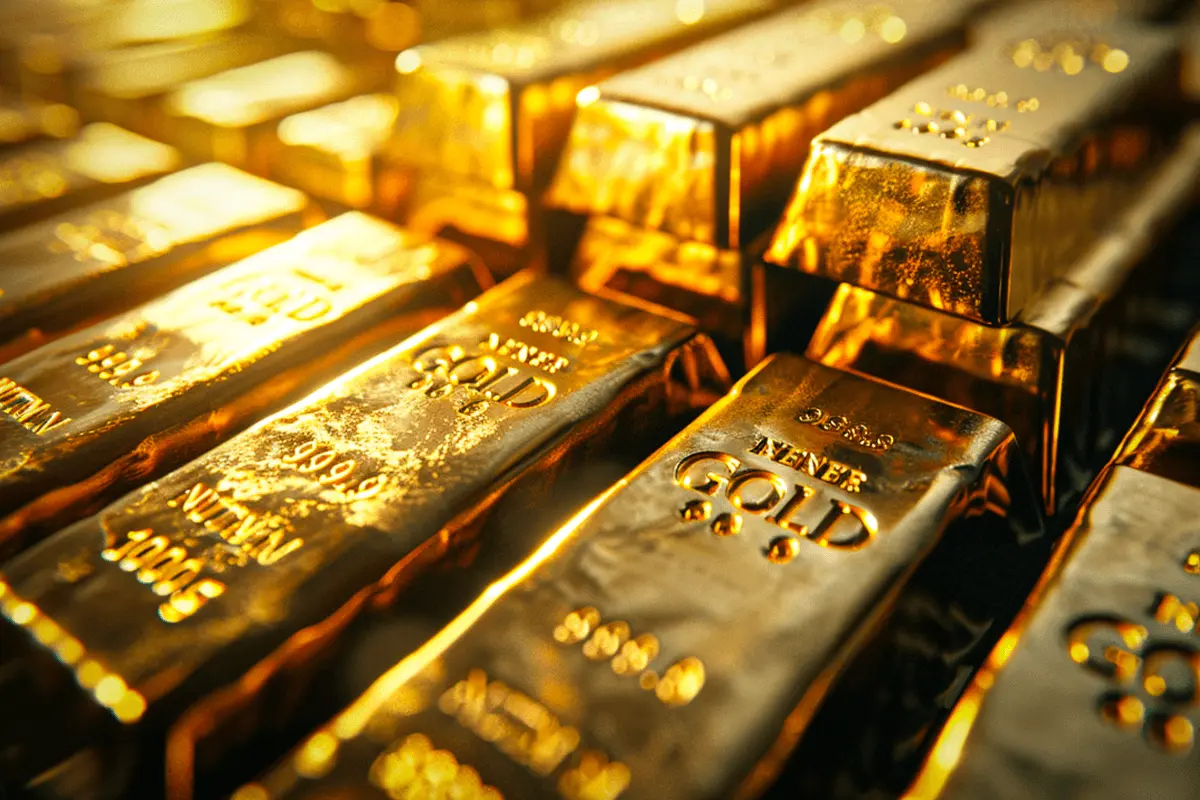
Gold prices have experienced a volatile week as traders react to shifting economic signals, with the precious metal attempting a rebound after dipping to its lowest levels since early March. The latest fluctuations come amid ongoing uncertainty over U.S. Monetary policy, particularly as the Federal Reserve maintains its hawkish stance on interest rates. Meanwhile, the U.S. Dollar remains resilient, exerting downward pressure on gold—a trend that has historically weighed on the metal’s appeal as an alternative store of value.
While the exact low point of $4,480 per ounce referenced in some reports could not be independently verified, reliable market data confirms gold’s recent decline has been sharp. The metal’s performance is closely tied to broader macroeconomic factors, including expectations of Federal Reserve policy adjustments, geopolitical tensions, and shifts in global risk sentiment. Investors are also monitoring inflation data and labor market reports, which could influence the Fed’s next steps.
Analysts suggest the rebound attempt reflects a mix of profit-taking after the steep drop and cautious optimism that the Fed may signal a pause in rate hikes sooner than previously anticipated. However, without a clear pivot from the central bank, gold’s upside remains constrained. The precious metal’s role as a hedge against currency volatility and economic instability means its trajectory will continue to be a barometer for investor confidence.
Why This Matters
Gold’s price movements have far-reaching implications for investors, central banks, and even consumers. As a non-yielding asset, gold often benefits from periods of economic uncertainty or when real interest rates fall. The current environment, with the U.S. Dollar strong and Treasury yields elevated, has historically dampened gold’s appeal. However, any signs of a Fed pivot—or unexpected geopolitical developments—could quickly reverse that dynamic.
For traders, the recent volatility underscores the need for vigilance. Gold’s correlation with other safe-haven assets like silver and government bonds also means its performance can ripple through broader portfolios. Meanwhile, central banks—particularly those in emerging markets—remain active buyers of gold, viewing it as a strategic reserve amid currency risks.
Key Drivers Behind Gold’s Recent Swings
Several factors are shaping gold’s price action in May 2026:
- Federal Reserve Policy: The Fed’s next meeting (scheduled for June 12–13, 2026) will be critical. Markets are parsing every hint from Fed officials about the timing of rate cuts. Even a slight shift in rhetoric could trigger a gold rally.
- U.S. Dollar Strength: The dollar’s resilience is a headwind for gold, as the two assets often move inversely. A stronger dollar makes gold more expensive for foreign buyers, particularly in currencies like the euro or yen.
- Inflation Data: Recent consumer price index (CPI) reports have shown stubborn inflation, which could delay Fed easing. If inflation cools more than expected in upcoming releases, gold could gain traction.
- Geopolitical Risks: Tensions in the Red Sea and ongoing conflicts in Ukraine and the Middle East have historically supported safe-haven demand for gold. Any escalation could lift prices.
- Technical Levels: Gold’s recent lows have tested key psychological and technical support levels. A break below $4,400 per ounce could trigger further selling, while a rebound above $4,600 might signal a stabilization.
According to the World Gold Council, institutional investors have been net buyers of gold in recent quarters, viewing it as a hedge against prolonged uncertainty. However, retail demand has softened due to higher prices and weaker consumer confidence in some regions.
What’s Next for Gold?
The path forward for gold hinges on a few key developments:

- Fed Communication: The tone of the June 12–13 meeting will be decisive. If the Fed signals a potential pause in rate hikes—or even a rate cut—gold could rally sharply. Conversely, any hawkish surprises could send prices lower.
- Economic Data: Upcoming employment reports and inflation readings will shape expectations. A stronger-than-expected jobs report could delay Fed easing, while weaker data might accelerate a pivot.
- Geopolitical Shocks: Unexpected events, such as a escalation in the Red Sea or new sanctions, could trigger a safe-haven rally in gold.
- Central Bank Activity: The World Gold Council tracks central bank purchases monthly. If emerging-market central banks continue buying, it could provide a floor for prices.
For traders, the coming weeks will be critical. Short-term momentum suggests gold may continue to oscillate within a tight range, but a clear breakout in either direction could signal the next major trend.
How Investors Can Prepare
Given the uncertainty, investors have several options:
- Diversification: Gold often performs well during market downturns. Allocating a minor portion of a portfolio to gold ETFs or physical gold can provide balance.
- Monitor Fed Signals: Pay close attention to Fed speeches and economic releases. Even minor shifts in language can move markets.
- Technical Analysis: Watch key support and resistance levels. A break below $4,400 could signal further weakness, while a move above $4,600 might indicate a bullish reversal.
- Geopolitical Awareness: Stay informed about global tensions. Gold tends to rally during periods of heightened risk.
For those new to gold investing, platforms like Schroders or Kitco offer resources on how to trade or invest in gold, including ETFs, futures, and physical assets.
Looking Ahead: The June Fed Meeting and Beyond
The next major checkpoint for gold traders will be the Federal Reserve’s meeting on June 12–13, 2026. While the Fed has not signaled a rate cut, markets are pricing in a possibility by late 2026. Any indication that the central bank is nearing the end of its tightening cycle could spark a gold rally.

Beyond the Fed, investors should keep an eye on:
- The release of the May CPI report (June 11, 2026), which could influence expectations for further Fed action.
- Geopolitical developments, particularly in regions like the Middle East and Eastern Europe, where conflicts could escalate.
- Central bank gold reserves, as reported by the IMF’s World Economic Outlook and the World Gold Council.
For now, gold remains in a holding pattern, but the stage is set for a potential shift in the coming weeks. Whether the Fed’s next move will be a cut, a pause, or another hike could determine whether gold continues its rebound—or faces further declines.
What do you think will be the biggest driver of gold prices in the coming months? Share your insights in the comments below, and don’t forget to follow World Today Journal for the latest updates on markets and economic trends.