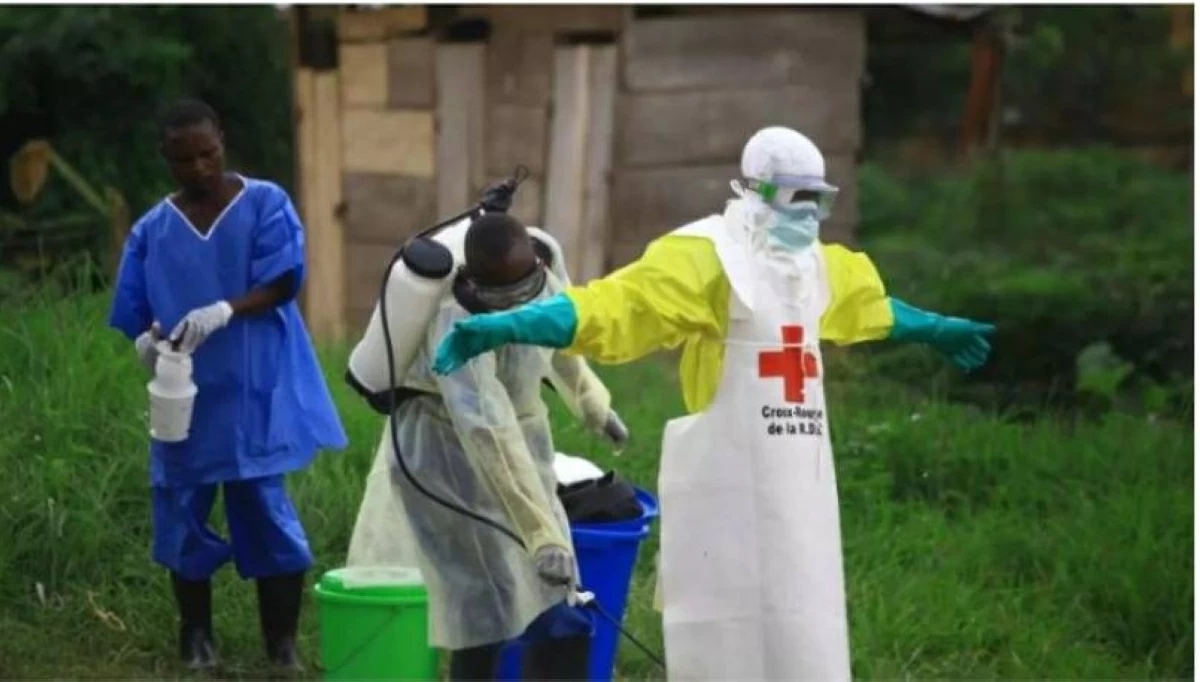
The Democratic Republic of the Congo (DRC) is facing a critical public health challenge as health officials warn of a highly lethal strain of the Ebola virus currently circulating. The situation has escalated into a significant crisis, with the Congolese Ministry of Health signaling that the current outbreak is particularly devastating due to a lack of a licensed vaccine tailored to this specific viral strain.
This development has sparked urgent concerns among global health monitors. Unlike previous outbreaks dominated by the Zaire ebolavirus—for which an effective vaccine exists—the current strain presents a formidable obstacle to containment. The absence of a preventative vaccine means that medical teams must rely entirely on supportive care and rigorous contact tracing to stem the tide of infections.
Current reports on the human cost of the outbreak indicate a grim trajectory. While figures fluctuate as data is consolidated from remote regions, estimates of the death toll range between 65 and 80 individuals. This high case-fatality rate underscores the virulence of the strain and the precarious nature of the health infrastructure in the affected provinces.
As an internal medicine physician and health journalist, I have monitored several Ebola crises over the last decade. The primary danger here is not just the virus itself, but the “vaccine gap.” When a population is unprotected by immunization, the window for containment narrows significantly, placing an immense burden on frontline healthcare workers who are operating in high-risk environments.
The Critical Gap: Why This Strain Lacks a Vaccine
To understand why Congolese officials are warning that there is “no vaccine,” it is necessary to distinguish between the different species of the Ebolavirus genus. The most well-known is the Zaire ebolavirus, which has been successfully targeted by the Ervebo vaccine. However, the World Health Organization (WHO) notes that Ebola virus disease is caused by several different species, and a vaccine for one does not necessarily provide protection against others.

The current alarm is centered on the likelihood that this outbreak involves the Sudan ebolavirus (SUDV) or a similar variant. For the Sudan strain, there is currently no WHO-prequalified or widely licensed vaccine available for emergency deployment. While various candidates have been developed and tested in clinical trials—including those led by the Sabin Vaccine Institute—these have not yet reached the stage of global regulatory approval and mass distribution.
This lack of a preventative tool transforms the outbreak from a manageable medical event into a race against time. Without a vaccine to create a “ring of immunity” around infected individuals, the virus can spread more easily through communities, particularly in areas where distrust of government health initiatives is high.
Analyzing the Toll: 65 to 80 Fatalities
The discrepancy in reported death tolls—with some sources citing 65 deaths and others reporting 80—is common during the early and middle stages of an epidemic in the DRC. This often results from the delay in reporting from rural health centers to the central Ministry of Health in Kinshasa.
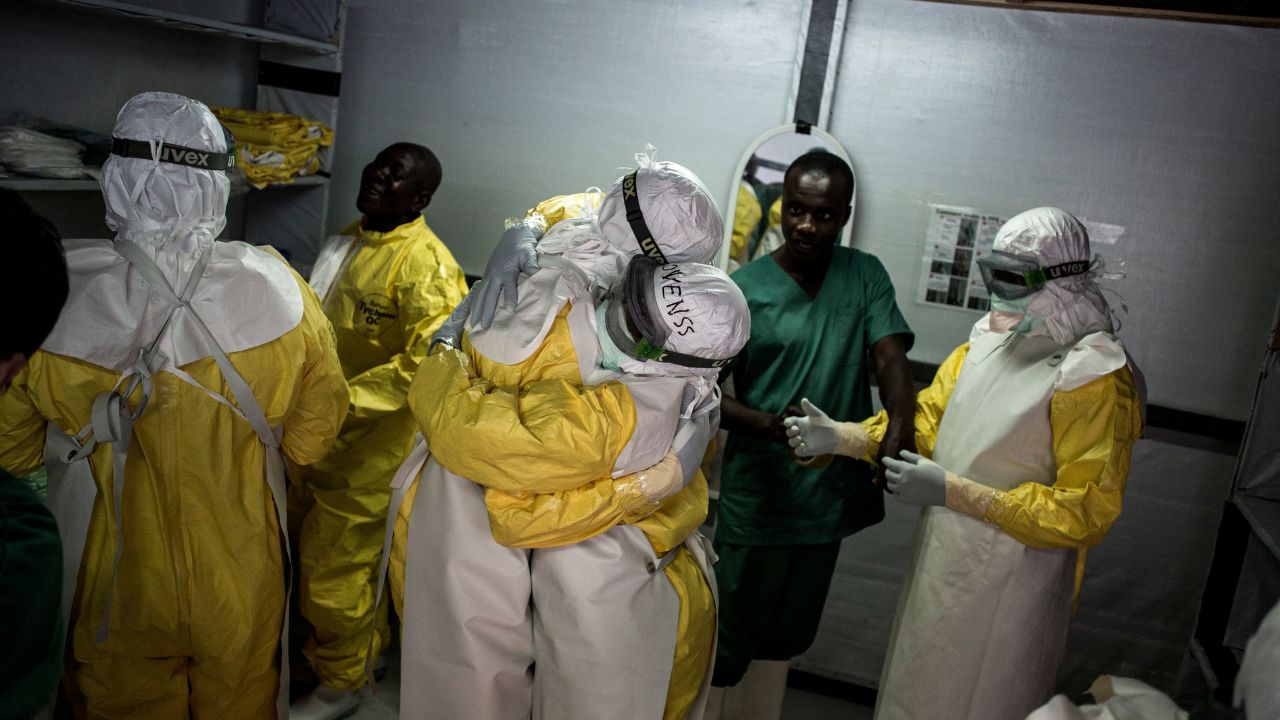
Regardless of the exact number, the fatality rate remains alarmingly high. Ebola virus disease causes severe hemorrhagic fever, leading to internal bleeding, organ failure, and shock. In the absence of specific antiviral therapies, survival depends heavily on early supportive care, such as aggressive fluid resuscitation and the management of secondary infections.
The Congolese Health Minister has emphasized that the strain is “extremely deadly,” a description that likely refers to the rapid progression of the disease in patients and the high percentage of cases resulting in death. The virulence of the strain complicates efforts to stabilize patients, as the window for effective intervention is often very short.
Containment Strategies in a Post-Vaccine Vacuum
With the vaccine option off the table, the DRC is reverting to the fundamental pillars of infectious disease control. The strategy focuses on three primary areas:
- Aggressive Contact Tracing: Identifying every person who has come into contact with a confirmed case and monitoring them for 21 days—the maximum incubation period for the virus.
- Safe and Dignified Burials: Because the viral load is highest in a deceased body, traditional burial practices involving touching the deceased are a primary driver of transmission. Specialized teams are deployed to ensure burials are handled safely.
- Community Engagement: Working with local leaders to combat misinformation and encourage symptomatic individuals to seek care at Ebola Treatment Centers (ETCs) immediately.
These measures are labor-intensive and require significant funding and personnel. The Centers for Disease Control and Prevention (CDC) emphasizes that early supportive care significantly improves the chances of survival, but this requires patients to trust the medical system enough to enter a treatment center before their condition becomes critical.
What This Means for Global Health Security
The emergence of a deadly strain without a vaccine in the DRC is a reminder of the fragility of global health security. The “hit and run” nature of Ebola outbreaks—where the world focuses on a crisis only after it has peaked—often leaves the DRC’s health system depleted. The current situation highlights the urgent need for “prototype” vaccines that can be quickly adapted to different strains of hemorrhagic fevers.
the geographic location of the outbreak is a concern. The DRC shares borders with several other nations, and the movement of people for trade and migration increases the risk of the virus crossing borders. If a strain with no vaccine enters a densely populated urban center or a neighboring country with weaker surveillance, the potential for a larger regional epidemic increases.
Practical Guidance: Recognizing and Preventing Transmission
For those traveling to or living in affected regions, understanding the transmission dynamics of Ebola is essential. The virus is not airborne; it spreads through direct contact with the blood, secretions, organs, or other bodily fluids of infected people, and with surfaces contaminated with these fluids.
Key Warning Signs: The onset of symptoms is usually sudden and includes:
- High fever and severe headache
- Muscle pain and joint aches
- Severe weakness and fatigue
- Vomiting, diarrhea, and abdominal pain
- In advanced stages, unexplained bruising or bleeding from the gums or nose
Preventative Measures:
- Avoid Contact: Stay away from the bodies of people who have died from suspected Ebola.
- Hygiene: Frequent handwashing with soap and water or the use of alcohol-based hand rubs.
- Avoid Wildlife: Refrain from handling “bushmeat” or contacting bats and primates in forested areas, as these are known natural reservoirs for the virus.
For those seeking the most current official updates, the WHO Disease Outbreak News (DONs) provides the most authoritative technical data on case counts and geographic spread.
Next Steps and Monitoring
The immediate focus for the Congolese government and international partners is the stabilization of the affected zones and the attempt to identify the exact genetic sequence of the virus. This sequencing is critical; if a specific variant is identified, researchers may be able to pivot existing experimental vaccine candidates for use under emergency protocols.
The next confirmed checkpoint for this crisis will be the upcoming weekly epidemiological report from the Ministry of Health, which will determine if the growth curve of the outbreak is flattening or if new clusters are emerging in previously unaffected provinces.
We invite our readers to share this report to increase awareness of the ongoing health crisis in the DRC. Please leave your comments or questions below for our medical editorial team.
Related reading