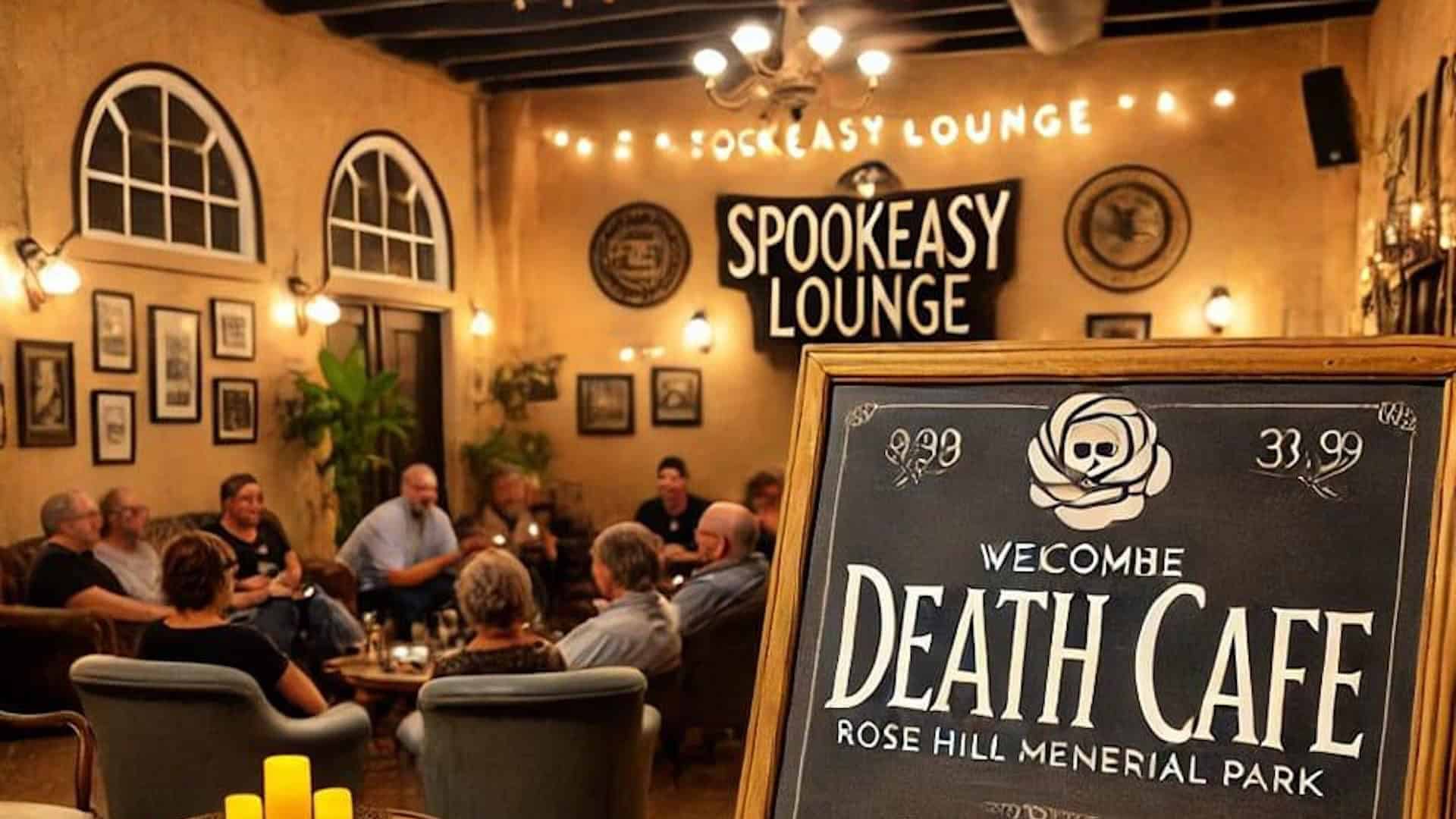
The “Nāves kafejnīca” (Death Café) events, held as part of the annual LAMPA Conversation Festival in Cēsis, Latvia, provide a structured forum for participants to discuss mortality, end-of-life planning, and the grieving process in an informal setting. These sessions are designed to normalize conversations around death, a topic often considered taboo in contemporary society, by removing the clinical or formal atmosphere typically associated with end-of-life discussions.
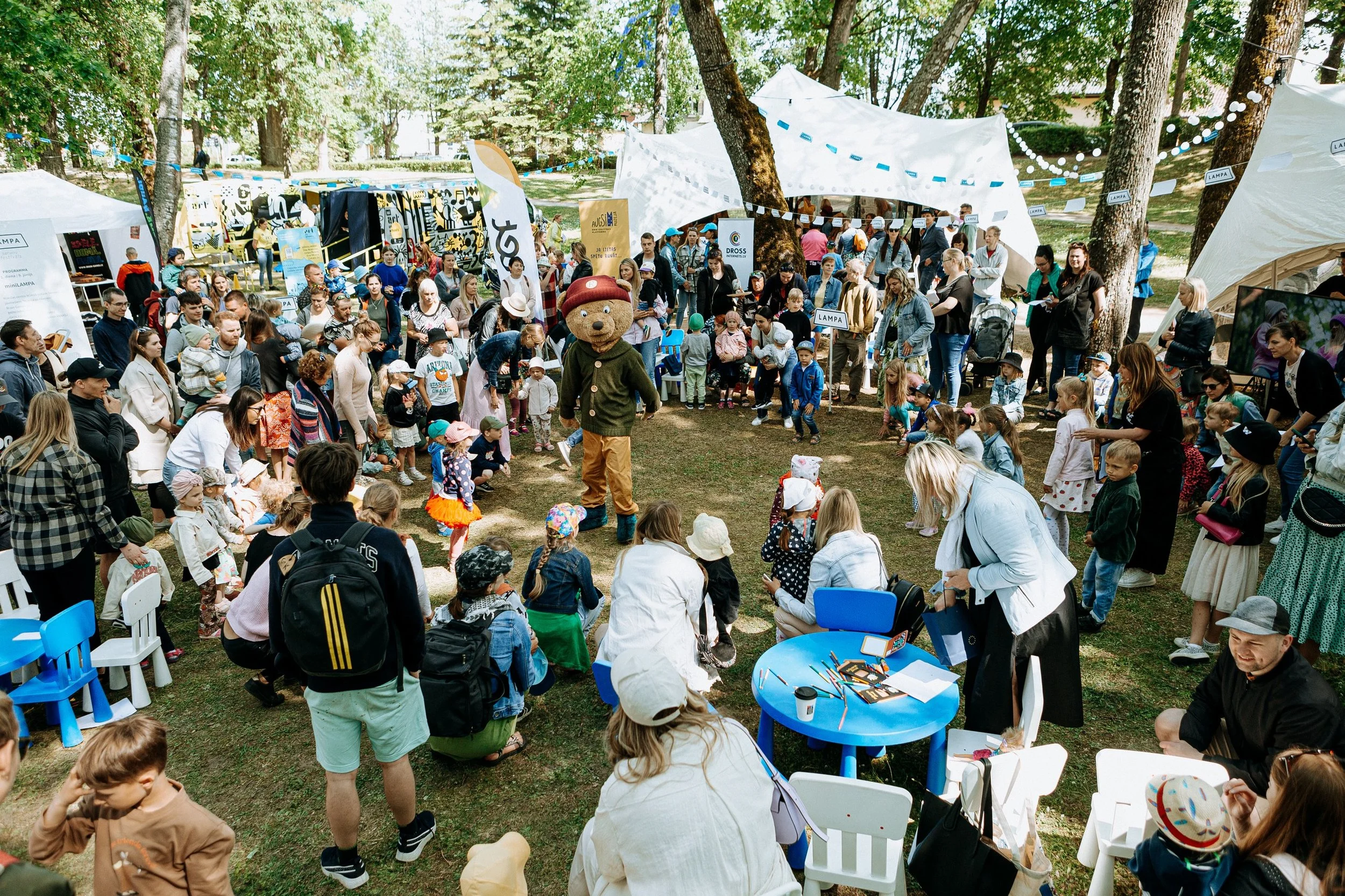
The LAMPA Conversation Festival, which takes place in the Cēsis Castle Park, is a non-profit initiative focused on fostering democratic engagement and open dialogue across various social and cultural issues. According to the official festival organizers, the event aims to create a “safe space” for citizens to exchange ideas and perspectives that might otherwise be difficult to address in daily interactions.
The Concept and Purpose of Death Cafés
The Death Café movement originated in 2011 when Jon Underwood, inspired by the work of Bernard Crettaz, hosted the first event in London. The fundamental objective is to increase awareness of death to help people make the most of their lives. These gatherings are not bereavement support groups or counseling sessions, but rather “social franchises” where individuals meet to drink tea, eat cake, and discuss death in a non-judgmental environment, as noted by the international Death Café organization.
At the LAMPA festival, the inclusion of these sessions aligns with the event’s broader mission of encouraging participants to step outside their comfort zones. By discussing mortality, attendees often explore themes related to legacy, the fear of the unknown, and the practicalities of legal or medical preparations. The format is strictly non-hierarchical, meaning there are no experts or speakers; instead, the focus remains on the personal experiences and questions brought forward by the participants themselves.
Integrating Difficult Conversations into Public Dialogue
Public discourse in Latvia regarding end-of-life care and the psychological aspects of death has evolved significantly over the past decade. The integration of Death Café sessions into a high-profile public festival like LAMPA reflects a shift toward more transparent communication about human vulnerability. According to reports from the Latvian Public Media (LSM), these sessions are consistently well-attended, suggesting a growing public appetite for spaces that allow for existential reflection.

The festival organizers emphasize that the environment is curated to be welcoming rather than somber. By pairing intense subject matter with the casual setting of a festival, organizers aim to bridge the gap between abstract academic or philosophical debate and the lived reality of every individual. This approach is consistent with the festival’s overarching goal of “strengthening the culture of conversation” in Latvia, a mandate supported by the Atvērtās Sabiedrības Fonds (Open Society Foundation), which provides core backing for the festival’s operations.
Practical Considerations for Attendees
For those attending the LAMPA festival, the Death Café sessions are typically listed within the official program, which is updated annually in the months leading up to the summer event. Because these discussions are facilitated in a group setting, participants are encouraged to adhere to the core principles of active listening and mutual respect. There is no requirement to speak; observers are just as welcome as those who wish to share their personal stories.
The festival, held annually in July, serves as a hub for hundreds of events ranging from political debates to artistic performances. Participants interested in future iterations of the Death Café should monitor the official LAMPA program portal to check for scheduling and venue details. As the festival grows, organizers continue to rely on volunteer moderators to facilitate these delicate sessions, ensuring that the dialogue remains grounded in empathy and shared human experience.
Future Outlook and Community Impact
The persistence of the Death Café within the LAMPA framework indicates that the topic of mortality remains a significant point of interest for the public. By hosting these discussions in a public park, the festival effectively de-stigmatizes a subject that is often relegated to private or clinical spheres. The success of the model in Latvia mirrors a global trend, as documented by the Guardian, where similar grassroots movements have gained traction as a means of improving emotional literacy regarding end-of-life matters.
.jpg "Future Outlook and Community Impact")
The next iteration of the LAMPA Conversation Festival is expected to take place in July 2025. Updates regarding the full schedule and specific event offerings will be released by the organizers in the spring. Readers are encouraged to share their thoughts on the importance of such public dialogues in the comments section below.
Keep reading