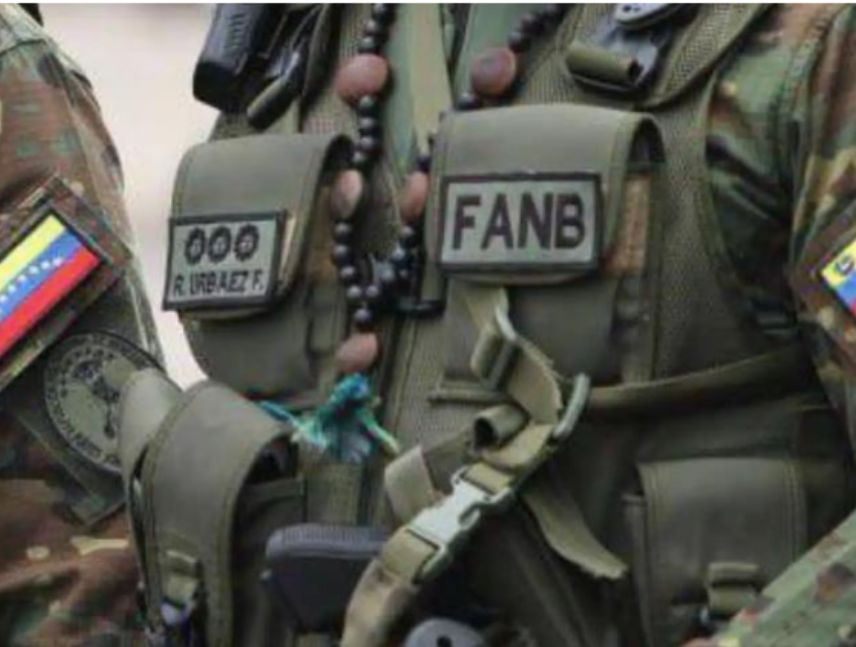
Venezuelan state security forces are maintaining a tactical deployment in mining regions of Bolívar state, according to recent reports from local officials and regional observers. The ongoing operations aim to neutralize irregular armed groups that have historically exerted control over illegal mining enclaves in the southern territory. While the Venezuelan government has confirmed the presence of security units tasked with oversight of mining activities, official statements have explicitly denied reports of foreign military involvement in the region.
The situation in Bolívar state remains a focal point for national security policy, as the government continues efforts to manage the country’s mineral-rich southern zones. These areas have been the site of frequent confrontations between state forces and non-state actors vying for control of gold and other resources. Understanding the scope of these operations requires examining the official stance of the Caracas government against the backdrop of persistent local reports regarding security disruptions.
Official Stance on Regional Security
The Venezuelan Ministry of Defense has repeatedly clarified the scope of its operations in Bolívar, emphasizing that internal security remains the sole responsibility of the Bolivarian National Armed Forces (FANB). In response to international speculation regarding potential foreign intervention, government representatives have categorically denied that any United States military personnel are participating in, or providing support for, the anti-mining illegal operations. According to a report by Acento, officials maintain that all tactical movements are conducted exclusively by national security units to uphold sovereignty and dismantle criminal structures operating within the Orinoco Mining Arc.
The government’s commitment to “Operación Roraima,” a broader strategic initiative, is frequently cited in official communiqués as the legal framework for these deployments. This initiative, often detailed in statements from the Strategic Operational Command of the National Armed Forces (CEOFANB), focuses on the expulsion of illegal mining groups that cause environmental degradation and social instability. By centralizing these operations, the state seeks to reassert control over territories where informal mining economies have historically operated outside of state regulation.
Verification of On-the-Ground Reports
Discrepancies often emerge between local accounts and official government narratives regarding the intensity and specific locations of military maneuvers. Recent reports of increased security presence in areas such as El Callao have been the subject of conflicting information. While some regional observers initially suggested a significant escalation in military activity, other sources, including local government-aligned media, have issued clarifications to counter what they characterize as inaccurate reporting on the extent of the deployment. According to the Correo del Caroní, the objective remains the neutralization of specific irregular groups rather than a broad occupation of civilian-populated urban centers.
These tactical deployments typically involve specialized units trained in jungle warfare and logistics. The primary challenge for these forces is the mobility of illegal mining syndicates, which frequently retreat into dense forested areas when confronted. The Office of the United Nations High Commissioner for Human Rights has previously documented the human rights implications of these power struggles, noting that the presence of both state security forces and non-state armed groups in mining zones creates a volatile environment for local populations. The government, however, maintains that its actions are necessary to restore the rule of law and protect the country’s natural resources.
Economic and Environmental Impact
The mining sector in Bolívar state is a vital component of the national economy, yet it has become a source of profound conflict. The proliferation of illegal mining has led to significant mercury contamination of local water sources and the destruction of protected forest land. According to research published by the SOS Orinoco organization, the environmental impact of these uncontrolled operations is extensive, affecting the ecosystems of the Canaima National Park and surrounding areas. This environmental crisis is a primary justification used by state authorities for the continued military presence.

Economically, the state’s attempt to formalize mining through the Orinoco Mining Arc has faced significant hurdles. By attempting to displace illegal syndicates, the government hopes to channel mineral wealth through formal state-run entities. However, the success of this transition is hindered by the persistence of armed groups that operate in the gaps left by state security forces. The effectiveness of the current “tactical deployment” is therefore measured by both the reduction in illegal extraction activities and the ability of the state to maintain a permanent presence in these remote regions.
Future Developments and Oversight
Security analysts suggest that the situation in Bolívar will remain fluid as long as the economic incentives for illegal mining persist. Future updates regarding the status of the tactical deployments are expected to be released through the official channels of the Ministry of Defense and regional government offices. For stakeholders and international observers, monitoring these official statements is essential to distinguishing between verified state actions and unconfirmed reports of instability.
As of the most recent updates, no specific dates have been announced for the conclusion of these tactical operations. The government continues to stress that security efforts in the south are ongoing and subject to the strategic needs of the military command. Readers interested in the latest developments are encouraged to consult official government bulletins and reports from regional human rights monitors. Please feel free to share your thoughts or observations on this developing situation in the comments section below.
Keep reading