
As the international community navigates an increasingly complex geopolitical landscape, human rights organizations are raising alarms over a troubling trend in state-sanctioned violence. A recent analysis indicates that the use of capital punishment is being leveraged by various regimes not merely as a judicial consequence, but as a calculated mechanism to silence opposition and maintain political hegemony. This resurgence in the application of the death penalty marks a significant departure from the long-term global trend toward abolition.
For those monitoring global human rights, the latest data from Amnesty International provides a sobering assessment of the current climate. Chiara Sangiorgio, a death penalty specialist at the organization, notes that the contemporary application of capital punishment is “rooted in fear,” and is increasingly deployed “as a tool of control and to crush dissent.” This shift suggests that for several nations, the execution chamber has become a primary instrument for managing internal political challenges.
A Grim Milestone in Global Executions
The latest reporting on capital punishment highlights a stark reality: 2025 has emerged as a grim landmark year for human rights, with at least 2,707 executions recorded across 17 countries. This figure represents the highest number of state-sanctioned killings documented in recent years, drawing sharp condemnation from international observers who argue that the practice is fundamentally incompatible with modern human rights standards. The United Nations Human Rights Office continues to advocate for the universal abolition of the death penalty, citing the inherent risk of executing innocent individuals and the lack of proven deterrent effect on crime rates.

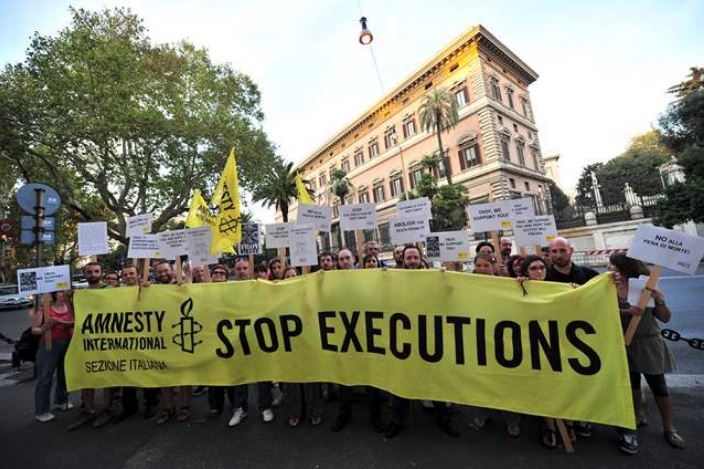
The concentration of these executions in a specific group of nations underscores a political divide. While the majority of countries have moved toward either legislative or practical abolition, a small number of states continue to rely on the death penalty with high frequency. This practice often occurs in environments where judicial independence is limited, and where the legal system is susceptible to influence from executive authorities. The Amnesty International global campaign emphasizes that the death penalty is the ultimate cruel, inhuman, and degrading punishment, and its resurgence in these regions is a direct affront to the progress made over the last several decades.
The Political Logic of Capital Punishment
Beyond the raw statistics, the focus of human rights advocates is on the underlying political logic. When the state utilizes execution to target political opponents, journalists, or human rights defenders, the death penalty ceases to be a matter of criminal justice and becomes a tool of political suppression. This strategy is designed to instill a climate of fear, discouraging public discourse and preventing the formation of organized opposition movements.
The correlation between the suppression of dissent and the use of the death penalty is a recurring theme in reports from international monitors. In many instances, the charges brought against those facing execution—such as treason, espionage, or subversion—are broad and vaguely defined, allowing for the targeting of peaceful activists. This misuse of the legal system to eliminate political threats is a hallmark of authoritarian governance, and it represents a significant challenge for international bodies working to uphold the rule of law.
Global Trends and the Path Forward
Despite the concerning resurgence in some areas, the broader, multi-decade trend remains in favor of abolition. The Amnesty International 2023 global report documented that more than two-thirds of the world’s countries have abolished the death penalty in law or practice. This persistent movement suggests that the actions of a few retentionist states are increasingly out of step with global norms and the evolving consensus on human dignity.

For observers and stakeholders, staying informed is the first step toward effective advocacy. Human rights organizations continue to provide updated resources and tracking for those interested in the status of capital punishment globally. The Amnesty International action portal offers pathways for individuals to engage in letter-writing campaigns and support initiatives aimed at pressuring governments to halt executions and commute existing death sentences.
As we look toward the next cycle of international human rights reporting, the focus will remain on the intersection of state security and individual liberties. The international community faces a critical juncture: whether to allow this resurgence to consolidate or to intensify diplomatic pressure to ensure that the fundamental right to life is protected regardless of political context. We encourage our readers to share their thoughts and stay engaged with these developments as more information becomes available through official human rights monitoring bodies.
- Armed Clashes Erupt in the Libyan City of Zawiya
- Austin MacPhee Leads Training Session as Mudryk and Others Practice Crosses
- Dow Hits Record High as US-Iran Tensions Ease and Amazon Tops $3 Trillion (time.news)
- House of the Dragon Season 3: Director Insights, Episode Reviews and Fan Theories (newsdirectory3.com)