
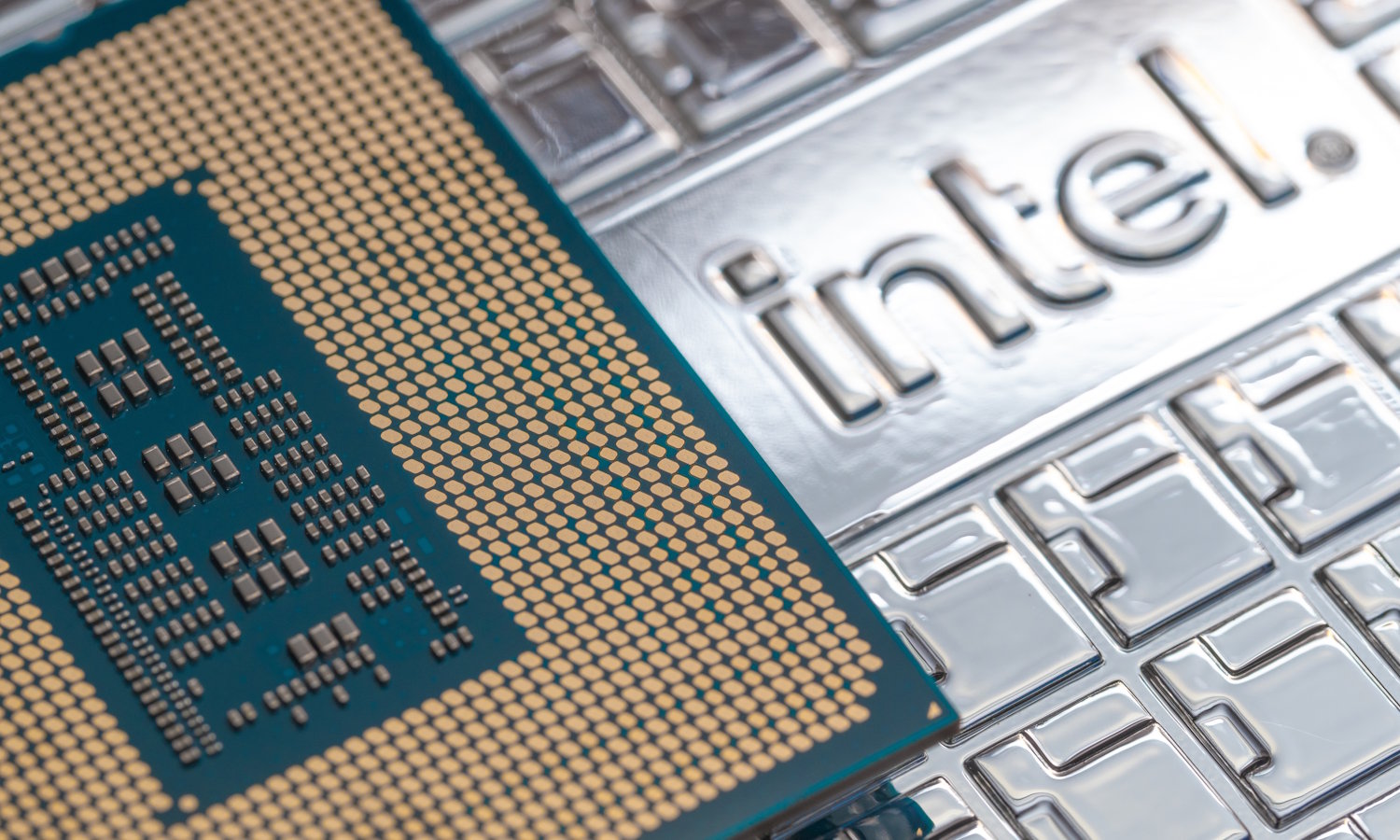
The global semiconductor industry is facing renewed pressure as supply chain volatility forces manufacturers and secondary markets to reconsider the viability of legacy hardware. As modern chip production remains concentrated on high-end nodes for artificial intelligence and cloud computing, older, mature-node processors are increasingly being refurbished or reclaimed to fill gaps in industrial and consumer electronics markets.
This trend highlights a growing bifurcation in the tech sector, where the demand for cutting-edge silicon—such as those used in Nvidia’s H100 or Intel’s latest Core series—often leaves manufacturers of automotive sensors, home appliances, and basic industrial controllers struggling to secure necessary components. According to reports from the Semiconductor Industry Association (SIA), the industry continues to navigate a complex recovery phase characterized by fluctuating demand across various sectors, necessitating a strategic reliance on both new production capacity and the extended lifecycles of existing hardware.
The Economics of Legacy Hardware
The decision to “resurrect” older processors is driven primarily by cost and lead-time constraints. When a manufacturer of legacy equipment, such as an industrial lathe or a medical diagnostic machine, requires a specific microcontroller that is no longer in mass production, the cost of redesigning the product to accommodate a modern chip can be prohibitive. Consequently, secondary markets have emerged where older chips are harvested, tested, and recirculated.
This practice is not without risks. Using reclaimed silicon introduces potential vulnerabilities, including counterfeit parts and reliability issues that do not exist with factory-fresh components. The National Institute of Standards and Technology (NIST) has previously highlighted the importance of supply chain integrity in electronics, noting that the provenance of components is critical to the security of the broader infrastructure. For many firms, however, the choice is between utilizing verified legacy stock or halting production lines entirely.
Why Mature Nodes Remain Critical
While headlines are dominated by 3nm and 5nm processes, a significant portion of the global economy runs on “mature nodes”—chips manufactured using 28nm, 45nm, or even larger processes. These chips are the workhorses of the internet of things (IoT), automotive braking systems, and power management units.

The European Chips Act, which seeks to boost the European Union’s share of global semiconductor production to 20% by 2030, explicitly recognizes the need for both high-end and mature node capabilities. By incentivizing local production, officials hope to insulate critical industries from the boom-and-bust cycles that have historically plagued the chip market. This strategic focus reflects an industry-wide realization that the reliance on ultra-modern chips alone is insufficient to sustain the global manufacturing ecosystem.
Impact on Consumer Electronics
For the average consumer, the “resurrection” of older hardware often manifests as a slower pace of innovation in low-cost consumer goods. When manufacturers prioritize existing chip designs over new silicon development, the feature sets of entry-level devices remain stagnant for longer periods. This is a shift from the rapid-fire upgrade cycles common in the early 2010s.
However, this trend also aligns with broader sustainability efforts. By extending the life of hardware—or, at the very least, utilizing components that have already been produced—the electronics industry can theoretically reduce the environmental impact associated with the intensive water and energy usage required for new chip fabrication. As outlined in the International Energy Agency (IEA) reports on digital energy consumption, the environmental cost of manufacturing is a growing concern for stakeholders across the tech landscape.
What Happens Next
Industry analysts expect the reliance on legacy processors to persist as long as the cost of new fabrication capacity remains elevated. The next major checkpoint for the industry will be the release of Q4 2024 earnings reports and 2025 capacity outlooks from major foundries like TSMC and Samsung, which will provide a clearer picture of how much investment is being diverted to mature nodes versus the latest AI-driven hardware.

As the market continues to evolve, the balance between innovation and stability will remain a primary challenge for hardware engineers and supply chain managers alike. Readers interested in tracking these developments can monitor updates from the Semiconductor Industry Association for official industry data and policy shifts.
What are your thoughts on the longevity of older hardware in an AI-dominated market? Join the conversation below and share your experiences with legacy tech.