
Nitric oxide (NO) serves as a primary signaling molecule in the cardiovascular system, regulating blood pressure and arterial flexibility by instructing blood vessels to dilate. This biochemical process, managed by the endothelium—the thin layer of cells lining the interior of blood vessels—is essential for preventing arterial stiffness and reducing the risk of heart disease.
While some media reports describe these biological signals as a “youth elixir” for the heart, medical professionals define this process as endothelial function. When the endothelium produces sufficient nitric oxide, it signals the smooth muscles of the arteries to relax, which lowers blood pressure and improves blood flow to vital organs. A decline in this signaling capability, known as endothelial dysfunction, is an early marker for atherosclerosis and hypertension.
According to the American Heart Association, maintaining healthy arteries requires a combination of dietary nitrates, regular physical activity, and the management of systemic inflammation. These factors ensure that the “signals” sent to the blood vessels remain consistent, preventing the thickening and hardening of arterial walls that typically occurs with age or chronic illness.
How the Endothelial Signaling Process Works
The endothelium is not merely a lining but an active endocrine organ that secretes various substances to maintain vascular homeostasis. The most critical of these is nitric oxide. This gas is produced from the amino acid L-arginine through the action of an enzyme called endothelial nitric oxide synthase (eNOS).
Once released, nitric oxide diffuses into the adjacent smooth muscle cells of the artery. This triggers a chemical reaction that causes the muscle to relax, resulting in vasodilation. This process is the body’s natural mechanism for adjusting blood flow based on demand; for example, during exercise, the endothelium increases NO production to deliver more oxygen to working muscles.
When this signaling system fails, the arteries remain constricted or become rigid. This state of endothelial dysfunction is often exacerbated by high glucose levels, high cholesterol, and oxidative stress. According to research published by the National Center for Biotechnology Information (NCBI), the loss of nitric oxide bioavailability is a precursor to the development of plaques in the arteries, which can eventually lead to myocardial infarction or stroke.
Dietary Factors That Enhance Vascular Signaling
Medical research indicates that certain nutrients act as precursors to nitric oxide, effectively supporting the signaling process from a nutritional standpoint. The most prominent are dietary nitrates found in specific vegetables.
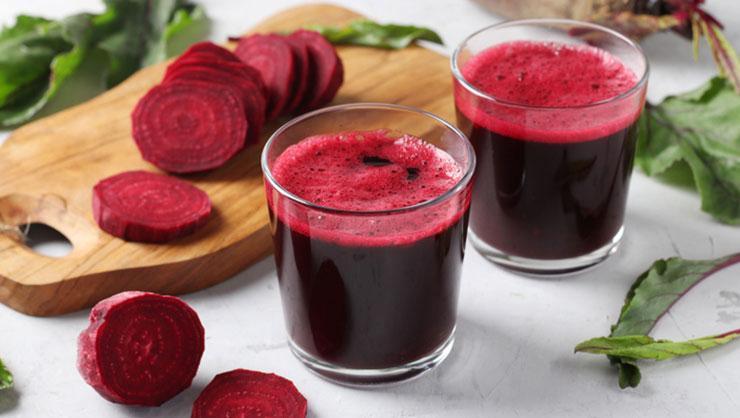
Leafy greens, such as spinach and arugula, and root vegetables, specifically beets, are high in inorganic nitrates. Once ingested, these nitrates are converted into nitrites by bacteria in the mouth and then into nitric oxide in the stomach and blood vessels. Clinical studies have shown that nitrate-rich diets can lead to a measurable reduction in systolic blood pressure.
Omega-3 fatty acids, found in fatty fish like salmon and mackerel, also play a role in endothelial health. These fats help reduce inflammation within the vessel walls, which protects the eNOS enzyme from oxidative damage. By preserving the enzyme’s ability to function, Omega-3s ensure that the endothelium can continue sending the necessary signals for vasodilation.
Antioxidants, particularly Vitamin C and Vitamin E, further protect nitric oxide from being neutralized by free radicals. When oxidative stress is high, nitric oxide is quickly destroyed before it can signal the blood vessels to relax. A diet rich in berries, nuts, and citrus fruits helps maintain the longevity of these signals within the bloodstream.
Lifestyle Interventions for Arterial Flexibility
Beyond nutrition, physical activity is one of the most potent stimulators of endothelial signaling. Aerobic exercise increases “shear stress”—the frictional force of blood flowing over the endothelial cells. This mechanical stress triggers the endothelium to increase the production of nitric oxide.
Regular exercise not only increases the immediate production of NO but also upregulates the expression of the eNOS enzyme, making the cardiovascular system more efficient over time. This is why consistent physical activity is linked to lower resting heart rates and more flexible arteries in older adults.
Conversely, certain habits actively block these signals. Nicotine and carbon monoxide from smoking damage the endothelial lining and inhibit the production of nitric oxide. This leads to chronic vasoconstriction, which significantly increases the workload on the heart and accelerates the aging of the vascular system.
Clinical Implications and Medical Precautions
While supporting the endothelium is critical, medical experts warn against the unregulated use of “nitric oxide boosters” or L-arginine supplements without professional supervision. In some patients, particularly those who have already suffered a heart attack, excessive supplementation of certain amino acids may not provide the same benefits as dietary sources and could potentially interfere with other medications.
Patients taking nitrates for angina or those using PDE5 inhibitors (such as sildenafil) must be cautious, as these medications also affect the nitric oxide pathway. Combining these drugs with high-dose nitrate supplements can cause a dangerous drop in blood pressure, known as hypotension.
The most sustainable approach to “rejuvenating” heart signaling is through a Mediterranean-style diet—emphasizing olive oil, legumes, fish, and vegetables—combined with moderate daily activity. This approach addresses the root causes of endothelial dysfunction rather than attempting to bypass the biological process with isolated supplements.
The next major milestone for cardiovascular research involves the development of targeted therapies to restore endothelial function in patients with advanced diabetes and chronic kidney disease, where natural signaling is severely impaired. Clinical trials are ongoing to determine if synthetic NO donors can effectively reverse arterial stiffness in these high-risk populations.
Do you have questions about heart-healthy nutrition or managing blood pressure? Share your thoughts in the comments below or share this article with someone looking to improve their vascular health.