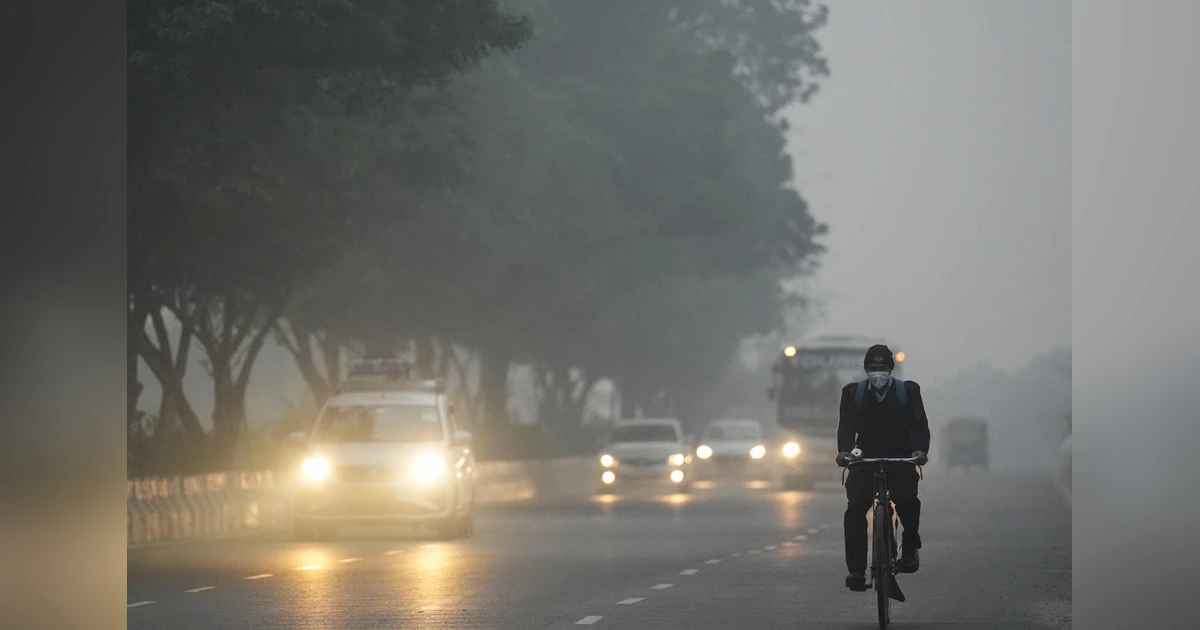
Delhi-NCR air Pollution Reaches Critical Levels: Stage IV GRAP Implemented
Delhi-NCR is facing a severe air quality crisis, prompting the Commission for Air Quality Management (CAQM) to invoke stage IV of the Graded Response Action Plan (GRAP) - the most stringent measures available to combat pollution. This decision comes after a rapid deterioration in air quality, driven by unfavorable weather conditions and persistent pollution sources.Here’s what you need to know about the current situation and the steps being taken to protect public health.
Why the Urgent Action?
Delhi’s Air Quality Index (AQI) has been steadily climbing, reaching 448 by 7 PM Saturday. This escalation, from 401 earlier in the day, is due to a combination of factors:
* Low wind Speed: Minimal air movement prevents the dispersal of pollutants.
* Stable Atmosphere: A stagnant atmosphere traps pollutants near the ground.
* Unfavorable Weather: Calm winds and mist/haze exacerbate the problem, hindering pollutant dispersion.
* Multiple Pollution sources: Vehicle emissions, agricultural burning (paddy straw), and local emissions all contribute.
Thes conditions are expected to persist, necessitating immediate and decisive action. The CAQM held an emergency meeting to review the situation and forecasts from the India Meteorological Department (IMD) and the Indian Institute of Tropical Meteorology (IITM).
What Does Stage IV of GRAP mean for You?
Stage IV of GRAP brings the most comprehensive restrictions to the Delhi-NCR region. These measures are designed to drastically reduce pollution sources and safeguard public health. Here’s a breakdown of the key restrictions now in effect:
* Traffic Restrictions:
* Entry of trucks into Delhi is prohibited, except those carrying essential commodities or providing essential services.
* CNG,LNG,electric,and BS-VI diesel trucks are permitted.
* Delhi-registered diesel heavy goods vehicles (BS-IV and below) are banned, with exceptions for essential services.
* Construction & Demolition Halt: All construction and demolition activities are suspended, including linear public projects like highways and power lines. This is a significant step, as some construction was previously allowed under lower GRAP stages.
* Educational Institutions: Schools in Delhi and the most affected NCR districts are required to operate in hybrid mode (online and physical) for all classes – primary, VI-IX, and XI. students are given the option to attend classes online.
* Potential Further Measures: State governments are prepared to implement additional emergency steps if the situation worsens. These could include:
* Closing colleges and educational institutions.
* Shutting down non-essential commercial activities.
* Implementing odd-even vehicle restrictions.
Understanding GRAP Stages
GRAP categorizes air quality based on AQI levels:
- Stage I (Poor): AQI 201-300
- Stage II (Very Poor): AQI 301-400
- Stage III (Severe): AQI 401-450
- Stage IV (Severe Plus): AQI above 450
We are currently in Stage IV, indicating a critical public health emergency.
Why is Delhi-NCR Particularly Vulnerable?
The Delhi-NCR region experiences severe air pollution during the winter months due to a confluence of factors. These include:
* Meteorological Conditions: Low temperatures and calm winds create a stable atmosphere.
* regional Emissions: Vehicle exhaust, industrial activity, and residential heating contribute significantly.
* Agricultural Practices: Paddy straw burning in neighboring states releases massive amounts of pollutants.
* Firecrackers: The use of firecrackers during festivals further degrades air quality.
What Can You Do?
While authorities are implementing measures to control pollution, you can also take steps to protect yourself and contribute to cleaner air:
* Limit Outdoor Activities: Reduce strenuous outdoor activities, especially during peak pollution hours.
* Wear Masks: Use N95 or KN95 masks when venturing outdoors.
* Air Purifiers: Utilize air purifiers in your homes and offices.
* reduce Vehicle Use:
Related reading