## Navigating airport Incidents: A Deep Dive into the LaGuardia Collision of 2025
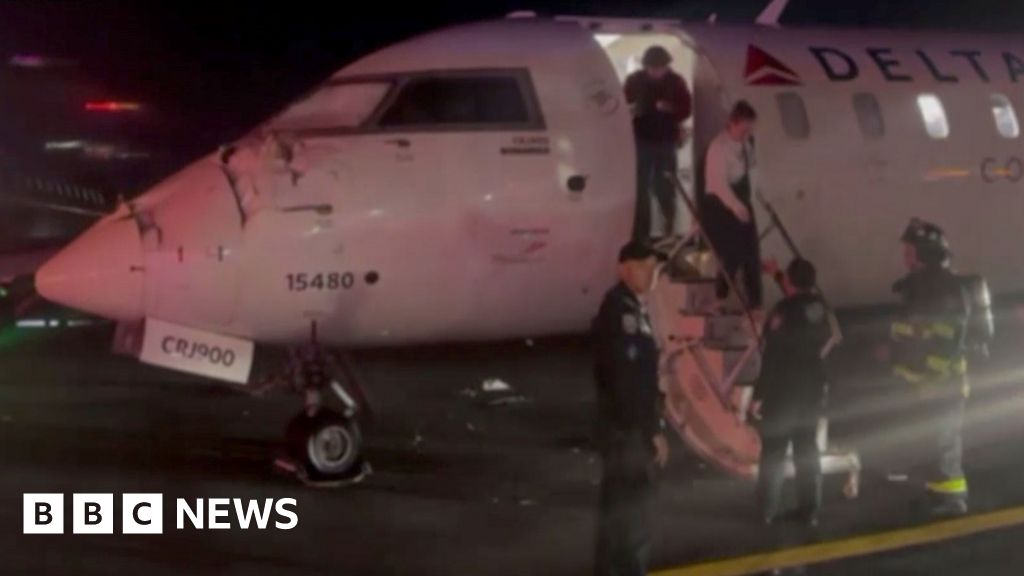
On October 2, 2025, at approximately 13:20 EST, a concerning incident unfolded at new York City’s LaGuardia Airport (LGA) when two Delta-operated aircraft, both managed by Endeavor Air, made contact on the taxiway. This event, categorized as a “low-speed collision” by Delta Air Lines, involved Endeavor Air Flight 5047, arriving from Charlotte Douglas International Airport (CLT) in North Carolina, and Endeavor Air Flight 5155, preparing for departure to Roanoke-blacksburg Regional Airport (ROA) in Virginia. The impact resulted in the wing of the inbound aircraft striking the cockpit window of the outbound plane, highlighting the complex logistical challenges and inherent risks within modern air travel. A single flight attendant experienced a minor injury and received medical attention at a local hospital, underscoring the potential for harm even in seemingly minor aviation occurrences.
This incident serves as a crucial case study for understanding airport safety protocols, incident response procedures, and the evolving landscape of air traffic management. As air travel continues to rebound – with the International Air Transport Association (IATA) reporting a 9.7% increase in passenger demand in may 2024 compared to the same period last year – maintaining the highest safety standards is paramount.This article will delve into the details of the LaGuardia collision,explore contributing factors,and outline the measures being taken to prevent similar events in the future. We will focus on the critical aspect of airport collision avoidance, examining the technologies and procedures designed to safeguard passengers and personnel.
According to the Federal Aviation Administration (FAA), ground incidents, including taxiway collisions, account for approximately 25-30% of all aviation accidents annually.
Understanding the Incident at LaGuardia
The collision at LaGuardia involved two regional jets operated under the Delta Connection banner. Endeavor Air Flight 5047 had just completed its journey from Charlotte, North Carolina, and was being taxied to its gate. Simultaneously, Endeavor Air Flight 5155 was preparing for its scheduled departure to Roanoke, Virginia.The precise sequence of events leading to the contact is currently under examination by the National Transportation Safety Board (NTSB). Initial reports suggest that the winglet of the arriving aircraft came into contact with the windshield of the departing aircraft’s cockpit.
The impact, while described as “low-speed,” caused visible damage to both aircraft. The immediate priority following the incident was the safety and well-being of the passengers and crew. Emergency services where dispatched to the scene, and the injured flight attendant was promptly transported to a nearby medical facility for evaluation and treatment.The FAA initiated a standard investigation, which will involve reviewing air traffic control communications, radar data, and conducting interviews with personnel involved. This thorough process is essential for determining the root cause of the incident and implementing corrective actions.
The Role of Air Traffic Control and Taxiway Procedures
A key element of the investigation will center on the role of air traffic control (ATC) and adherence to established taxiway procedures. Airports utilize a complex system of markings, lights, and radio communications to guide aircraft safely along the ground. Standard taxiway procedures dictate specific routes, speeds, and communication protocols.
Modern ATC systems increasingly rely on technologies like Airport Surface Detection Equipment, Model X (ASDE-X)
, which provides controllers with a real-time, high-resolution view of aircraft and vehicle movements on the airport surface, even in low-visibility conditions. However, human factors – such as communication errors, misinterpretations, or distractions – can still contribute to incidents. The FAA is continually working to enhance ATC training and implement new technologies to mitigate thes risks. For example, the agency is exploring the use of Surface Digital notices to Airmen (
Keep reading