
Researchers are increasingly turning to AI-driven diagnostics and blood-based biomarkers to improve the early detection of dementia, a shift that could fundamentally change how clinicians approach neurodegenerative conditions. While current diagnostic processes often rely on late-stage clinical symptoms, new diagnostic tools aim to identify biological changes years before cognitive decline becomes apparent. According to the World Health Organization, over 55 million people live with dementia globally, with nearly 10 million new cases reported annually.
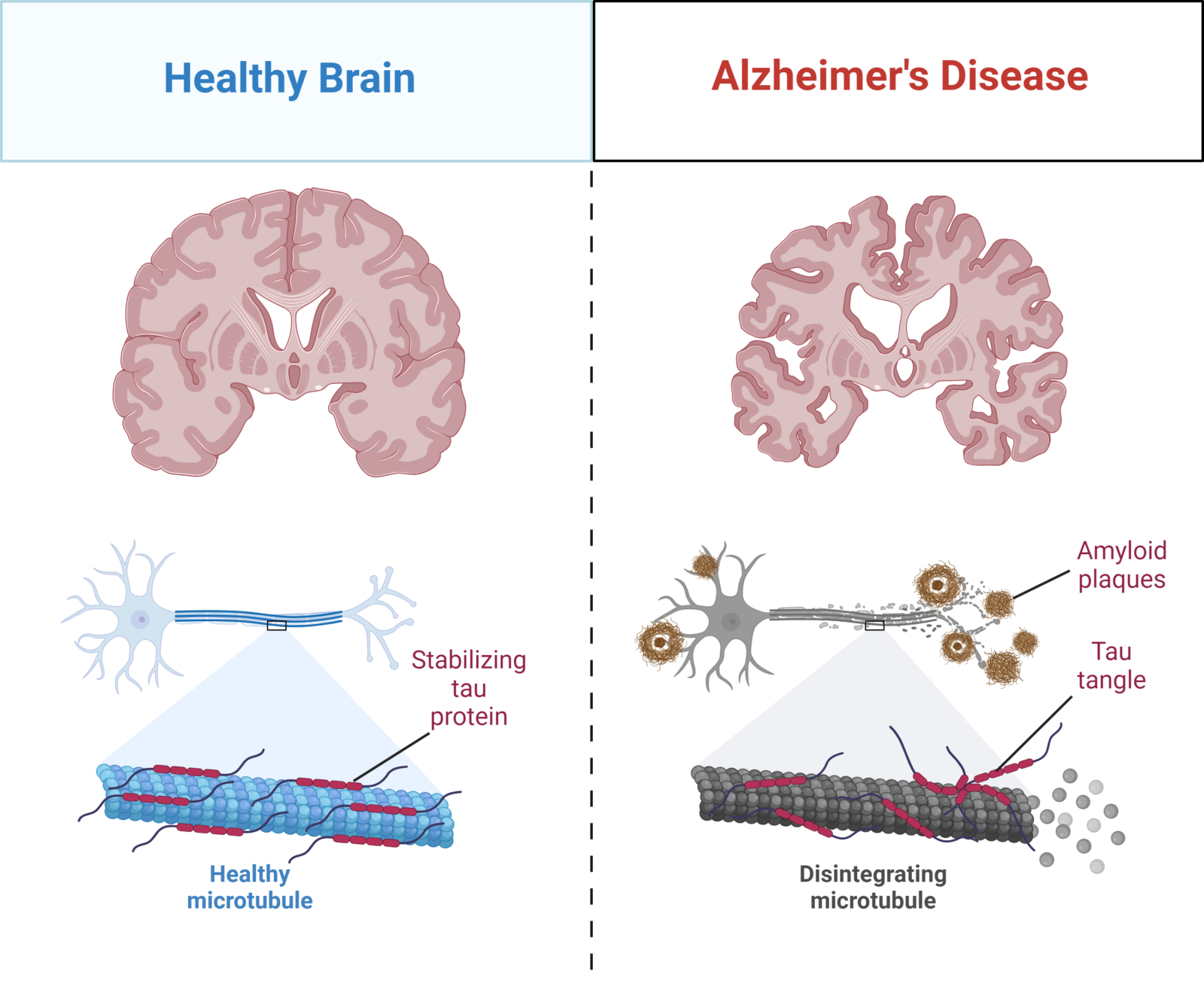
The integration of artificial intelligence into clinical neurology focuses on analyzing complex data sets, including brain imaging and genetic markers, to predict disease progression. Simultaneously, the development of blood tests designed to measure proteins such as amyloid-beta and tau—hallmarks of Alzheimer’s disease—offers a less invasive alternative to traditional lumbar punctures or PET scans. These advancements arrive as pharmaceutical companies continue to seek regulatory approval for monoclonal antibody therapies, which target the underlying pathology of Alzheimer’s rather than just managing symptoms.
The Evolving Role of Blood Biomarkers
Diagnostic accuracy in dementia research has improved significantly through the use of blood-based assays. Traditionally, confirming the presence of Alzheimer’s-related pathology required invasive procedures or expensive neuroimaging. Today, commercialized tests measuring the ratio of phosphorylated tau (p-tau217) in the blood have shown high sensitivity in identifying brain amyloid deposition. The Alzheimer’s Association notes that these blood tests are currently being integrated into clinical trials and specialized research centers to streamline the diagnostic pipeline.
However, medical experts urge caution regarding the widespread clinical implementation of these tests. While their performance in controlled research settings is robust, their utility in diverse, real-world populations—which often include individuals with comorbidities—remains under investigation. Clinicians emphasize that a positive blood test is not a definitive diagnosis of dementia but rather an indicator of underlying biological pathology that requires comprehensive clinical evaluation to interpret correctly.
Artificial Intelligence in Early Detection
AI algorithms are being trained to detect subtle patterns in longitudinal health data that human observers might overlook. By analyzing electronic health records (EHR) and cognitive screening scores, machine learning models can identify individuals at an elevated risk for cognitive impairment. Research published in The Lancet Digital Health highlights how AI can potentially reduce diagnostic delays by flagging patients who would benefit from early intervention or enrollment in clinical trials.
The primary advantage of AI in this field is its ability to synthesize multimodal data. By combining structural MRI scans with patient history and genetic predisposition data, these systems provide a more nuanced risk profile. Despite the potential, the U.S. Food and Drug Administration (FDA) maintains strict oversight over these algorithms, requiring rigorous validation to ensure that the software performs reliably across different demographic groups and healthcare settings.
New Therapeutic Frontiers
The focus on early detection is intrinsically linked to the emergence of disease-modifying therapies. Medications such as lecanemab and donanemab have received regulatory attention for their ability to clear amyloid plaques from the brain. According to the European Medicines Agency (EMA), these treatments are indicated for patients in the early stages of Alzheimer’s disease, making the timing of diagnosis critical for treatment eligibility.
These therapies are not without risks, including the potential for amyloid-related imaging abnormalities (ARIA), which necessitate regular monitoring via MRI. The necessity for ongoing safety surveillance underscores why early detection must be accompanied by robust healthcare infrastructure. Patients considering these treatments are advised to consult with specialists in memory clinics to evaluate the balance of potential benefits against the risk of side effects, as these drugs are currently not suitable for all individuals with cognitive impairment.
Next Steps in Dementia Research
The field is currently moving toward a more personalized approach to neurology, where biomarkers and AI-driven insights guide individualized care plans. As diagnostic tools become more accessible, the focus will shift toward standardizing these tests for primary care settings, ensuring that patients receive timely referrals to neurologists.
Future updates are expected from international working groups, including the Alzheimer’s Disease International, which continues to advocate for global policy changes to support early diagnosis and post-diagnostic care. Readers are encouraged to keep updated through official medical bulletins and to discuss any concerns regarding cognitive health with a primary care physician. Please share your thoughts in the comments section below or join the conversation on our social media channels to stay informed on the latest developments in medical science.