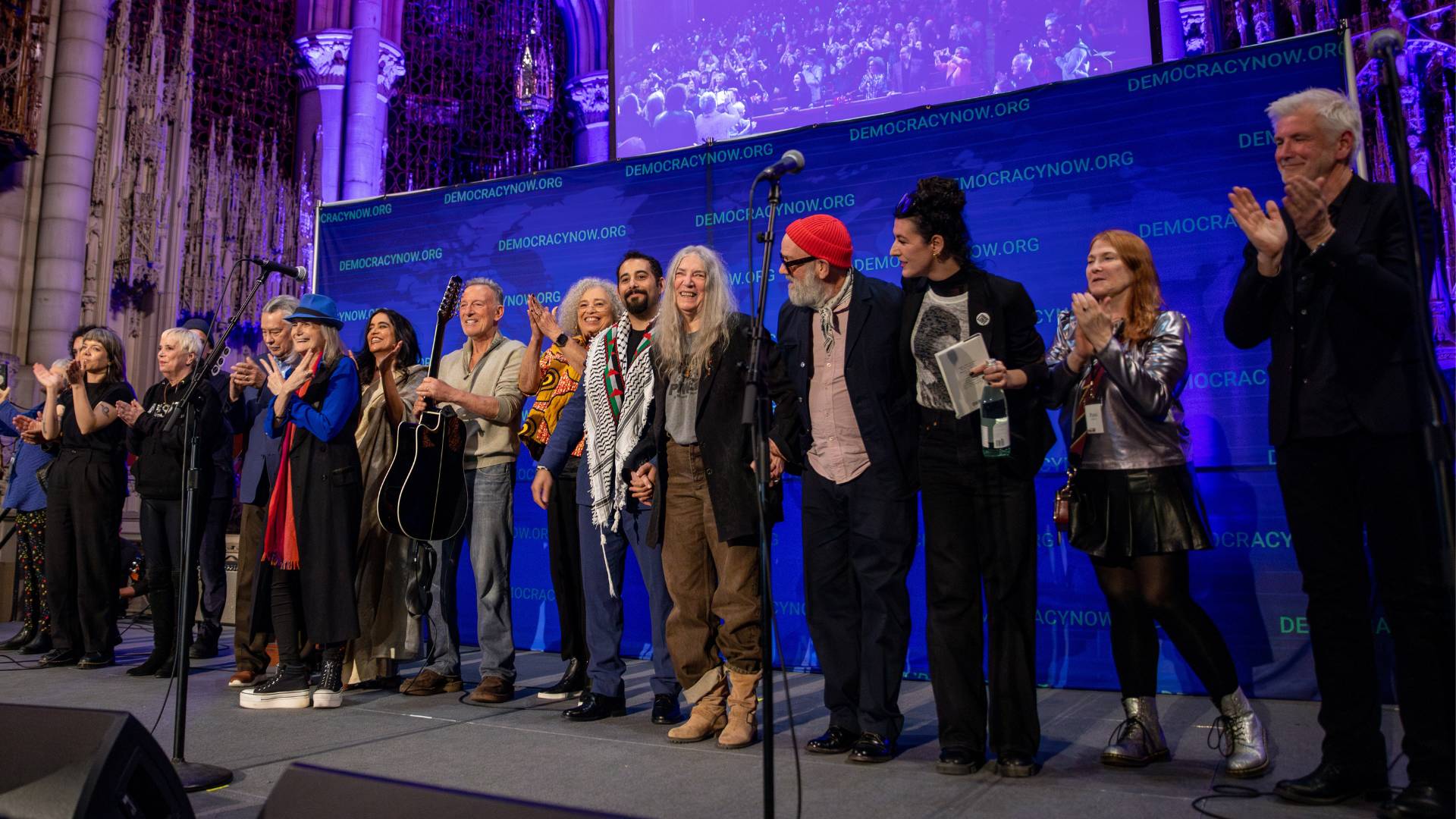
In a milestone event that brought together voices from the worlds of activism, literature, and music, the independent news organization Democracy Now! recently marked its 30th anniversary. The commemorative broadcast, hosted at the historic Riverside Church in New York City, served as a reflection on three decades of independent global news reporting, featuring a lineup of prominent cultural and political figures.
The anniversary celebration highlighted the organization’s long-standing role in the media landscape, emphasizing its commitment to providing a platform for voices often marginalized in mainstream discourse. As the media industry continues to face challenges regarding editorial independence and the centralization of information, the event underscored the ongoing relevance of the “fourth estate” model of journalism. According to the organization’s own reporting, the program relies on non-commercial contributions from its audience to maintain its editorial autonomy, a financial model that has sustained its operations since its inception in 1996.
A Legacy of Independent Journalism
Founded in 1996, the news program was established to provide an alternative to the corporate-owned media structures that dominate much of the global information environment. Over the last 30 years, the organization has consistently focused on issues including social justice, environmental advocacy, and international human rights. By positioning itself as a counterweight to state and corporate interests, the outlet has developed a specific niche in the global media ecosystem, often prioritizing long-form interviews and on-the-ground reporting from regions experiencing political upheaval or social conflict.
The choice of Riverside Church for this 30th-anniversary event carries symbolic weight. The venue has historically served as a hub for social justice movements and civil rights discourse in the United States, aligning with the editorial focus of the news organization. The event featured regular hosts Amy Goodman, Juan González, and Nermeen Shaikh, who have been central to the program’s operations for many years. Their presence reinforced the continuity of the organization’s mission to bridge the gap between academic analysis, grassroots activism, and daily news reporting.
Cultural Icons and Political Voices
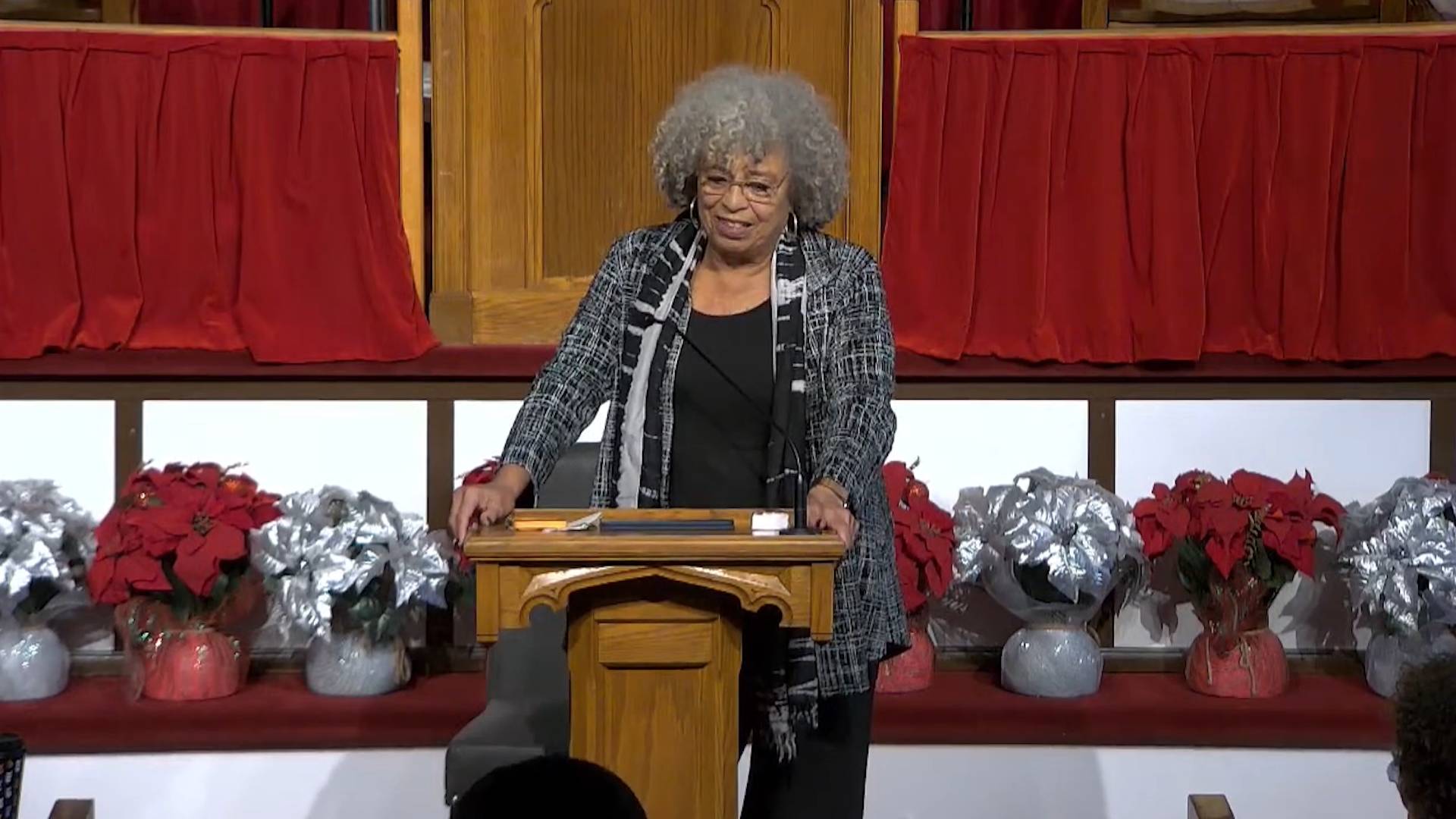
The anniversary program was characterized by a blend of political commentary and musical performance, reflecting the organization’s history of integrating arts and culture into its coverage of serious political issues. Among the notable participants was activist and scholar Angela Davis, whose long association with various social justice movements mirrors the thematic focus of the news outlet. The inclusion of writers and poets, such as Mosab Abu Toha, further emphasized the organization’s commitment to elevating voices from conflict zones and literary circles alike.

The musical segment of the evening provided a significant draw, with performances by Patti Smith and the band Hurray for the Riff Raff. The event also featured Michael Stipe, formerly of R.E.M., who has been a frequent collaborator in various social causes over the past few decades. The surprise appearance of Bruce Springsteen served as a focal point of the evening, drawing attention to the intersection of popular culture and political awareness. Such high-profile participation reflects the organization’s ability to mobilize a wide network of supporters who align with its critical approach to current affairs.
The Future of Media and Public Engagement
As Democracy Now! enters its fourth decade, the challenges facing independent journalism remain acute. The rise of digital misinformation, the decline of local news, and the increasing reliance on algorithmic content delivery systems present significant hurdles for organizations that prioritize in-depth, investigative reporting. The 30th-anniversary event served not only as a celebration of the past but as a call to action for the future of democratic discourse. The organization maintains that independent, non-commercial journalism is a cornerstone of a healthy society, a theme that permeated the night’s proceedings.
For those interested in the ongoing work of the organization, the program continues to produce daily news updates available through its official website and various digital platforms. The organization’s reliance on viewer support remains a central component of its operational strategy. As the media landscape continues to shift, the long-term viability of this model will depend on the continued participation of a global audience that values independent perspectives on international affairs.
Looking Ahead
The organization’s next phase of reporting will continue to focus on global developments and the intersection of policy and human rights. Interested viewers can find transcripts, daily video reports, and archives of past broadcasts on their official web portal. As the media environment evolves, the organization is expected to continue its tradition of hosting debates and discussions on the future of global democracy and the role of the press in holding institutional power to account.
We invite our readers to share their thoughts on the evolution of independent media over the last three decades. How has your consumption of news changed, and what role do you believe independent organizations play in today’s polarized political climate? Join the conversation in the comments section below.