
The landscape of digital finance in Japan is undergoing a significant transformation as the integration between traditional loyalty programs and blockchain-based assets deepens. In a move aimed at enhancing the utility of digital currencies, JPYC—a Tokyo-based startup—has introduced a service allowing users to convert credit card loyalty points into stablecoins. This development marks a notable shift in how consumers interact with their accumulated rewards, transitioning them from static retail points into a more liquid, digital asset format.
For many Japanese consumers, loyalty points have long been a fixture of the retail experience. However, the ability to bridge these points into the stablecoin ecosystem represents a novel intersection of consumer finance and decentralized ledger technology. By leveraging JPYC, which operates as a yen-pegged stablecoin, the service aims to provide a seamless transition for users looking to participate in the growing digital asset market without the immediate volatility associated with other cryptocurrency classes.
Understanding the Mechanics of Stablecoin Integration
Stablecoins, by design, are intended to maintain a stable value, typically pegged to a fiat currency like the Japanese yen. The introduction of this conversion service allows holders of various credit card reward programs to exchange their points for JPYC. This process is facilitated through a digital platform that essentially acts as an intermediary, ensuring that the value transferred from the loyalty program is accurately reflected in the corresponding stablecoin balance.
The regulatory environment in Japan remains a critical factor in the adoption of such technologies. The Financial Services Agency (FSA) of Japan has maintained a rigorous framework for stablecoin issuers, focusing on investor protection and the maintenance of reserves. As noted in regulatory updates regarding the Payment Services Act, entities dealing in digital assets must adhere to strict transparency and capital requirements. The emergence of services like JPYC highlights the industry’s ongoing efforts to align innovative financial products with these established national standards.
The Evolution of Digital Assets in Japan
The broader context for this announcement is the steady, controlled growth of Japan’s digital currency sector. Unlike markets that have seen rapid, unregulated expansion, Japan has prioritized a methodical approach to infrastructure. The issuance of yen-denominated stablecoins is seen by many analysts as a foundational step toward broader digital financial inclusion. By providing a bridge between legacy credit card systems and modern stablecoin platforms, the industry is effectively lowering the barrier to entry for the average retail user.
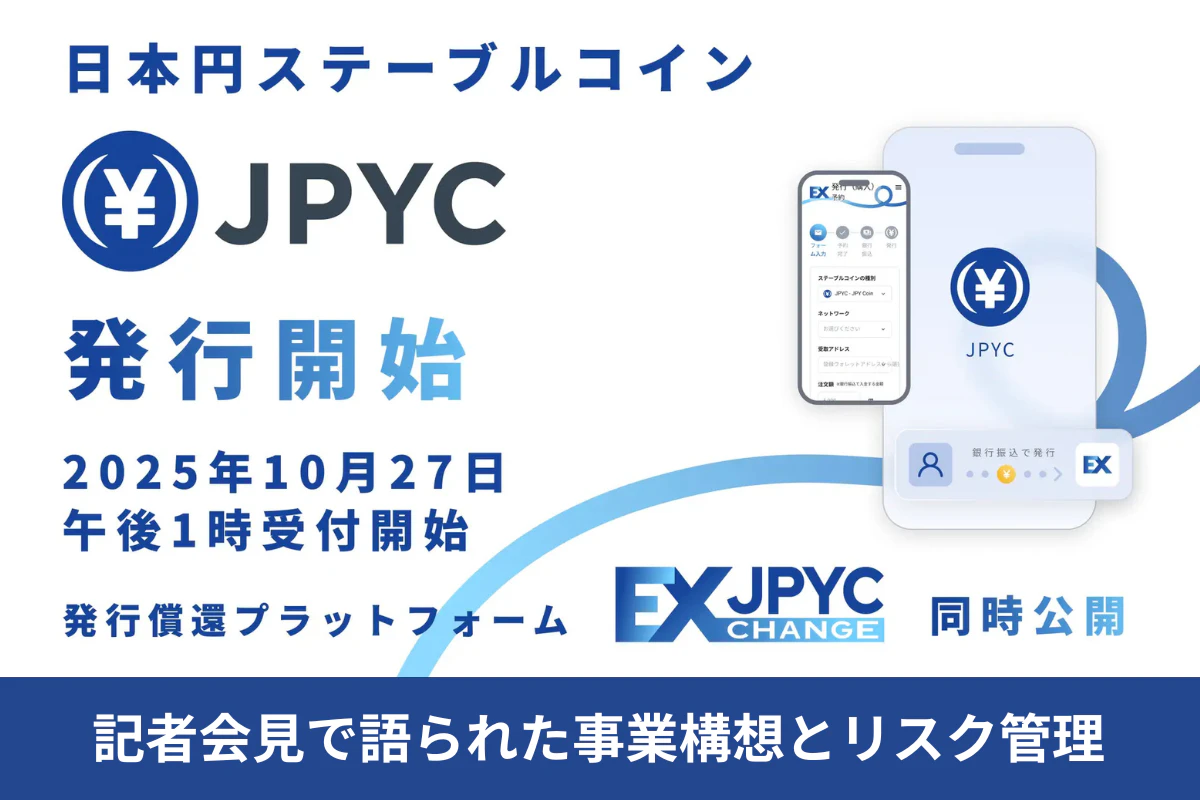
Beyond simple conversion, the utility of these stablecoins is expected to expand. As more merchants and service providers adopt digital payment gateways that support stablecoin transactions, the “real-world” application of these assets will likely increase. This creates a circular economy where points earned from daily spending can be converted and subsequently utilized for further digital commerce, creating a more cohesive financial experience for the consumer.
Impact on Consumer Financial Strategy
For the individual user, the primary benefit is increased flexibility. In the past, loyalty points were often restricted to specific catalogs, airline miles, or store-based discounts. By converting these points into a stablecoin, consumers gain the ability to hold a liquid asset that is not tethered to a specific retailer’s ecosystem. This shift empowers users to manage their digital wealth more effectively and provides a pathway for those curious about blockchain technology to engage with it in a low-risk, controlled manner.
However, users should remain cognizant of the terms and conditions associated with these conversions, including potential fees and the specific exchange rates offered by the platform. As with any financial transition involving digital assets, understanding the underlying security measures and the reputation of the issuer is paramount. The industry continues to evolve, and we expect further clarifications regarding the tax implications and reporting requirements for these conversions from national tax authorities in the coming months.
Looking Ahead: The Next Phase of Adoption
As this service begins its rollout, stakeholders are closely watching for metrics on user adoption and the volume of points being converted. The success of this initiative could signal to other financial institutions that there is a significant appetite for blockchain-integrated reward programs. If the model proves sustainable and secure, we may see major credit card issuers and banks explore similar partnerships to remain competitive in an increasingly digital-first economy.

Future updates regarding the expansion of this service, including additional card issuer compatibility and potential cross-platform functionality, will be central to its long-term viability. We will continue to monitor official statements from regulatory bodies and company filings to provide our readers with the most accurate information as the situation develops.
What are your thoughts on the integration of loyalty programs with digital assets? Do you believe this will encourage wider adoption of stablecoins in the retail sector? Share your perspective in the comments section below, and stay tuned for our upcoming deep dive into the regulatory landscape for digital assets in the Asia-Pacific region.
Related reading