
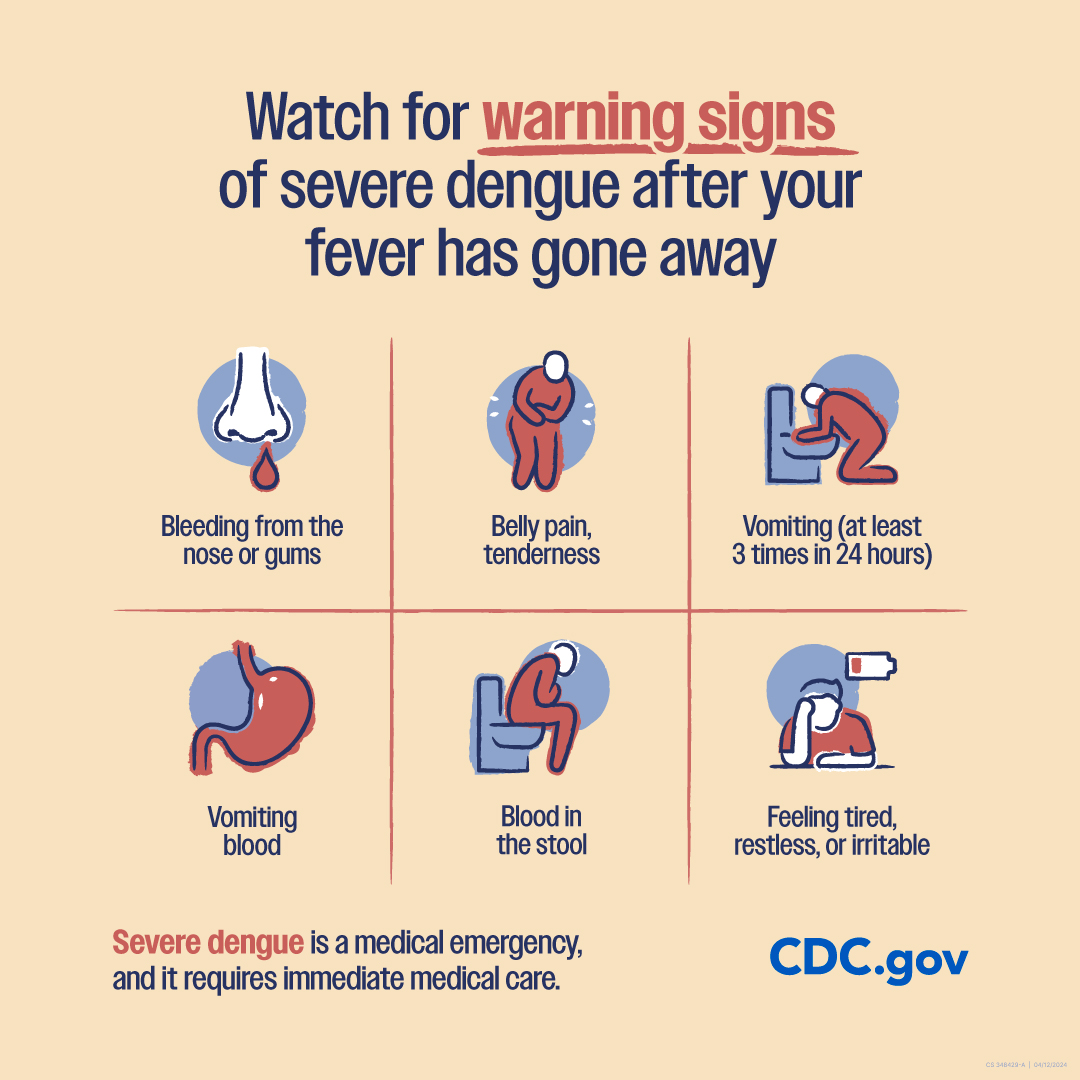
Health authorities in the French Caribbean are monitoring a concerning rise in mosquito-borne illness as the virus intensifies its presence in the region. According to the latest epidemiological data, dengue in Martinique is seeing a marked intensification of viral circulation since the start of 2026, placing the island on high alert while neighboring territories remain relatively stable.
The surge is characterized by relatively high indicators in community medicine, with a significant concentration of confirmed cases and active clusters located in the southern part of the island. While the situation in Guadeloupe, Saint-Martin and Saint-Barthélemy is currently described as calm, the localized outbreak in Martinique is prompting increased vigilance from health officials to prevent further spread.
As a physician and health journalist, I have seen how rapid shifts in arbovirus circulation can strain local healthcare systems. The current trend in Martinique reflects a precarious balance; while hospitalizations remain controlled, the steady stream of clinical cases in primary care suggests a persistent transmission cycle that requires aggressive vector control and public awareness.
Epidemiological Trends and Current Case Counts
Data released in the bulletin from April 2, 2026, indicates that the virus has been circulating more actively since the beginning of the year. During week 2026-13, which spanned from March 23 to March 29, medical practitioners recorded 70 clinically evocative cases in city medicine, with 44 of those cases being biologically confirmed.

Although these specific weekly figures demonstrate a slight decrease compared to preceding weeks, the broader trend remains a cause for concern. Since January 2026, the weekly average has hovered around 80 clinical cases and 18 visits to SOS Médecins. This baseline suggests that the virus is well-established in the community, despite minor fluctuations in weekly reporting.
The impact on the hospital system has, thus far, remained manageable. In the week ending March 29, only two visits to the emergency department were recorded, and no hospitalizations occurred. This indicates that while the volume of infections is rising, the severity of cases has not yet overwhelmed acute care facilities.
Geographic Hotspots and Localized Clusters
The distribution of the virus is not uniform across the island. Health authorities have identified the South of Martinique as the primary area of concern, where the majority of confirmed cases and active foci are situated. This geographic concentration allows health services to target their intervention efforts more effectively.
Specifically, several active clusters persist in the Trois-Ilets area. Within this locality, nearly 30 cases have been identified in the Anse à l’Ane and Anse Mitan sectors. These localized outbreaks are critical markers for epidemiologists, as they pinpoint where mosquito populations are most actively transmitting the virus to humans.
Global Impact: Exported Cases to Mainland France
The public health implications of the Martinique outbreak extend beyond the Caribbean. There is a significant trend of “exported cases,” where individuals infected in the Antilles are diagnosed after returning to mainland France (the Hexagone).
Since November 1, 2025, a total of 283 confirmed cases of dengue originating from Martinique have been diagnosed in mainland France. 45 cases originating from Guadeloupe have been recorded during the same period. This movement of the virus highlights the interconnectedness of global travel and the necessity for clinicians in non-endemic regions to maintain a high index of suspicion for arboviruses in patients with recent travel history to the Caribbean.
Contextualizing the 2026 Surge
To understand the current alert, it is helpful to look at the island’s recent history with the virus. Martinique has faced significant challenges with dengue in the past, including a major epidemic that began in July 2023. That period saw nearly 19,300 patients visit general practitioners for suspected dengue, resulting in 30 severe cases and 9 deaths before the official complete of that epidemic was announced on July 2, 2025.
The current 2026 activity represents a new intensification of circulation. While the 2025 “return to normal” provided a brief respite, the resurgence in the South of the island underscores the endemic nature of the virus in the region and the constant risk of new outbreaks when environmental conditions favor the Aedes mosquito.
Key Takeaways for Residents and Travelers
- Current Status: Martinique is on alert due to intensifying dengue circulation; Guadeloupe, Saint-Martin, and Saint-Barthélemy remain calm.
- High-Risk Areas: The South of Martinique, particularly Trois-Ilets (Anse à l’Ane and Anse Mitan), has the highest concentration of cases.
- Clinical Trend: While hospitalizations are low, community transmission remains steady with an average of 80 clinical cases per week since January.
- Travel Warning: Significant numbers of cases are being exported to mainland France, emphasizing the need for screening after travel.
Public health authorities continue to monitor the situation through weekly bulletins. The next critical step for the population is the adherence to vector control measures to reduce the number of active foci in residential areas. Further updates will be provided as new epidemiological bulletins are released by Santé publique France.
Do you have questions about traveling to the Caribbean during a health alert? Share your thoughts or questions in the comments below.