
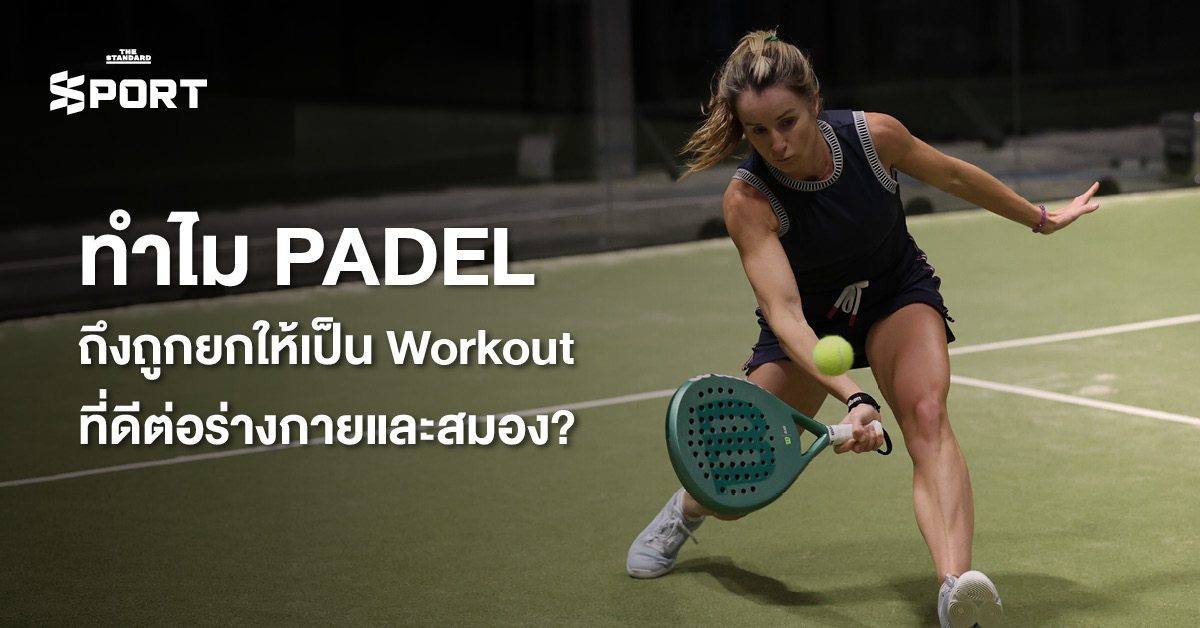
For those seeking a fitness routine that challenges both the heart and the mind, padel is rapidly emerging as a premier choice. This racket sport, which blends elements of tennis and squash, is gaining global momentum not just as a leisure activity, but as a comprehensive workout that targets physical endurance and cognitive agility.
The appeal of padel lies in its accessibility and the dynamic nature of the game. Played typically in doubles on an enclosed court, the sport requires a combination of quick reflexes, strategic positioning, and consistent cardiovascular effort. As the court is smaller than a traditional tennis court and utilizes walls, the ball remains in play longer, forcing players to stay active and engaged throughout the match.
Beyond the physical exertion, the sport is being recognized for its mental health benefits. The fast-paced environment requires players to make split-second decisions, enhancing hand-eye coordination and spatial awareness. This synergy of physical movement and mental strategy is why many are now viewing padel as a workout that is equally beneficial for the body and the brain.
The Physical Impact: Cardiovascular Health and Agility
From a physiological standpoint, padel provides a high-intensity interval training (HIIT) experience. The constant movement—sprinting to the ball, pivoting, and swinging the racket—elevates the heart rate and improves aerobic capacity. Because the game is played in doubles, the court coverage is intense, requiring short bursts of speed that burn calories and improve muscle tone in the legs and core.

Unlike traditional gym workouts, padel incorporates multi-directional movement. The necessitate to react to balls bouncing off the glass walls develops agility and balance. This variety of movement helps in strengthening joints and improving overall flexibility, making it a more holistic approach to fitness than linear exercises like treadmill running.
Cognitive Engagement and Mental Wellness
The “brain workout” aspect of padel is rooted in the complexity of the game. Players must constantly analyze the trajectory of the ball, the position of their opponents, and the optimal angle to hit the ball off the walls. This level of strategic thinking engages the prefrontal cortex, the area of the brain responsible for planning and decision-making.
the social nature of the sport contributes significantly to mental well-being. Since padel is almost exclusively played in pairs, it fosters a sense of community and teamwork. The combination of physical endorphins and social interaction helps reduce stress and anxiety, providing a mental reset that is often missing from solo exercise routines.
Expanding the Padel Community in Asia
The growth of the sport is evident in the rise of dedicated facilities in major cities. In Bangkok, for example, the padel co. provides indoor courts near the On Nut BTS station, offering a space where players can engage in the sport regardless of the weather. Such facilities are crucial for the sport’s expansion, providing the necessary infrastructure for both beginners and pros to refine their skills.
Key Takeaways for New Players
- Physical Benefits: Improved cardiovascular health, increased agility, and full-body muscle engagement.
- Mental Benefits: Enhanced cognitive function through strategic play and reduced stress via social interaction.
- Accessibility: Easier to learn than tennis, making it suitable for various age groups and fitness levels.
- Equipment: Specialized padel rackets and balls are used, which differ from standard tennis gear.
As more facilities open and the community grows, padel is positioned to become a staple of urban wellness. Whether you are looking to improve your physical fitness or find a way to keep your mind sharp, stepping onto a padel court offers a balanced approach to health.
For those interested in starting, the next step is typically booking a court at a local club or joining a community session to learn the basic rules and techniques. We invite you to share your experiences with padel or ask questions about getting started in the comments below.