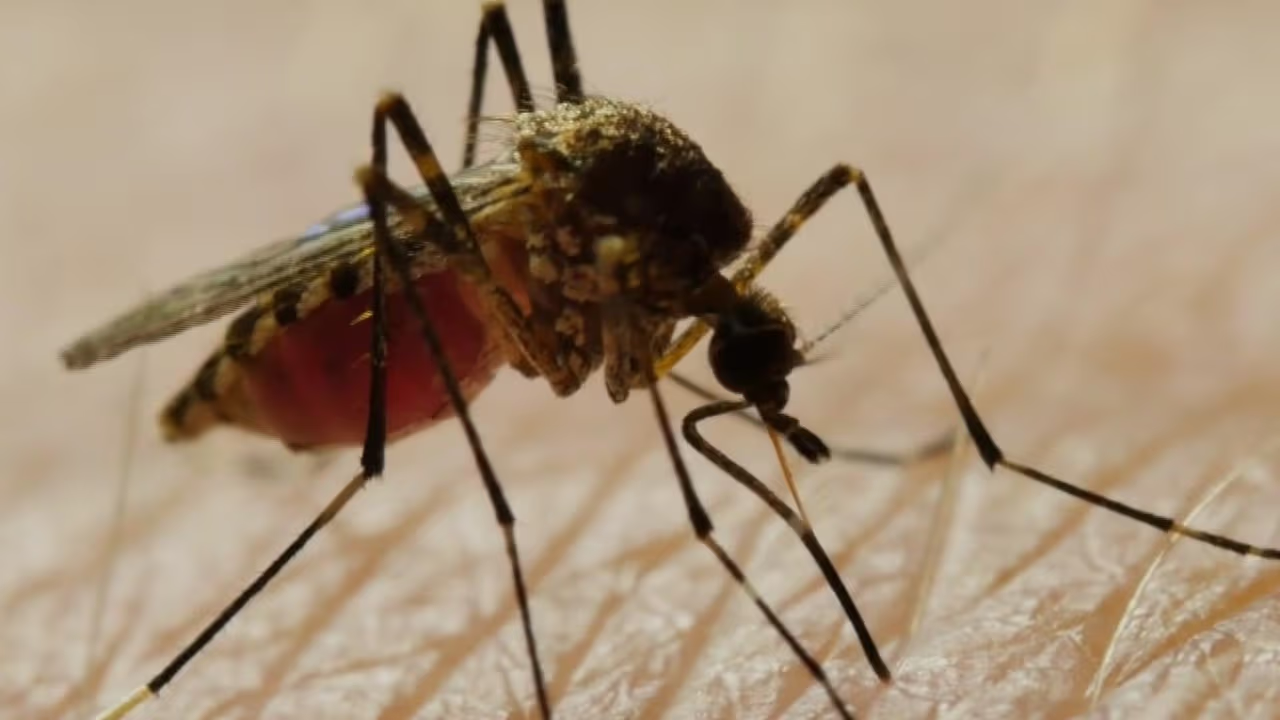
Public health officials in San Antonio and across Texas are urging residents to take proactive measures against mosquito bites this summer as a combination of heavy rainfall and rising temperatures creates ideal conditions for mosquito breeding. According to the San Antonio Metropolitan Health District, the current climate patterns have accelerated the life cycle of local mosquito populations, increasing the risk of transmission for vector-borne diseases such as West Nile virus and dengue fever.
The surge in mosquito activity is a recurring seasonal concern, but health authorities emphasize that the intensity of recent weather events—specifically the accumulation of standing water—has significantly expanded potential habitats. While most mosquito bites result only in minor irritation, the presence of disease-carrying species necessitates a consistent approach to personal and environmental protection to mitigate public health risks.
Understanding the Current Mosquito Risk
The primary concern for health departments involves the species capable of transmitting viruses to humans, most notably Culex mosquitoes, which are known vectors for the West Nile virus. The Centers for Disease Control and Prevention (CDC) notes that these insects thrive in stagnant water, including birdbaths, clogged gutters, and discarded containers, where they lay their eggs. When temperatures consistently remain above 80°F (26.6°C), the incubation period for viruses within the mosquito shortens, allowing the insects to become infectious more rapidly after taking a blood meal.
In San Antonio, local officials have intensified surveillance efforts to track mosquito populations. By monitoring specific traps throughout the city, the Metropolitan Health District identifies areas with higher concentrations of infected insects. Residents are encouraged to check the city’s official updates regularly to see if their specific ZIP codes have been flagged for increased activity or if localized spraying operations are scheduled.
Practical Steps for Personal Protection
To reduce the likelihood of bites, medical experts recommend a multi-layered defense strategy. The most effective method remains the use of Environmental Protection Agency (EPA)-registered insect repellents. According to the U.S. Environmental Protection Agency, products containing active ingredients like DEET, picaridin, or oil of lemon eucalyptus provide the most reliable protection against a wide range of biting insects.

Beyond repellents, individuals are advised to modify their behavior during peak mosquito hours. Mosquitoes are most active during dawn and dusk. If outdoor activities are necessary during these times, wearing long-sleeved shirts and long pants can serve as a physical barrier. Furthermore, ensuring that window and door screens are free of holes prevents mosquitoes from entering living spaces, which is vital for maintaining a safe indoor environment.
Eliminating Breeding Grounds at Home
Environmental management is the most sustainable way to lower mosquito density in residential areas. Because female mosquitoes require only a small amount of water to lay their eggs, the “tip and toss” method is highly recommended by public health agencies. This involves emptying any container that holds water at least once a week.
Specific areas of concern include:
- Flowerpot saucers: Frequently overlooked containers that can hold enough water for a brood of mosquitoes.
- Gutters: Debris that prevents proper drainage creates long-term breeding sites.
- Tires and scrap metal: Discarded items in yards are notorious for collecting rain and harboring larvae.
- Pet bowls: Regularly refreshing water prevents these from becoming stagnant breeding grounds.
For items that cannot be emptied, such as rain barrels or ornamental ponds, the use of “mosquito dunks”—which contain Bti, a biological larvicide—is an effective, non-toxic solution that targets larvae without harming pets or wildlife, as documented by the Environmental Protection Agency.
When to Seek Medical Attention
While the vast majority of mosquito bites cause only temporary itching and swelling, some individuals may develop symptoms of a more serious illness. According to the CDC, symptoms of West Nile virus—the most common mosquito-borne disease in the continental United States—can include fever, headache, body aches, joint pain, vomiting, diarrhea, or rash. In rare cases, the virus can lead to severe neurological illness.
.jpg "When to Seek Medical Attention")
Residents who experience high fever, severe headaches, or confusion after spending time outdoors should consult a healthcare provider. Early diagnosis is essential for managing symptoms, as there are currently no specific antiviral treatments for most mosquito-borne illnesses. The focus remains on supportive care and prevention.
Public health authorities continue to monitor the situation throughout the summer months. Residents are encouraged to stay informed through official government channels for any changes in health advisories. For those living in the San Antonio area, the Metropolitan Health District website remains the primary source for real-time data and safety protocols. Please share this information with neighbors to help keep the community safe during this period of heightened activity.