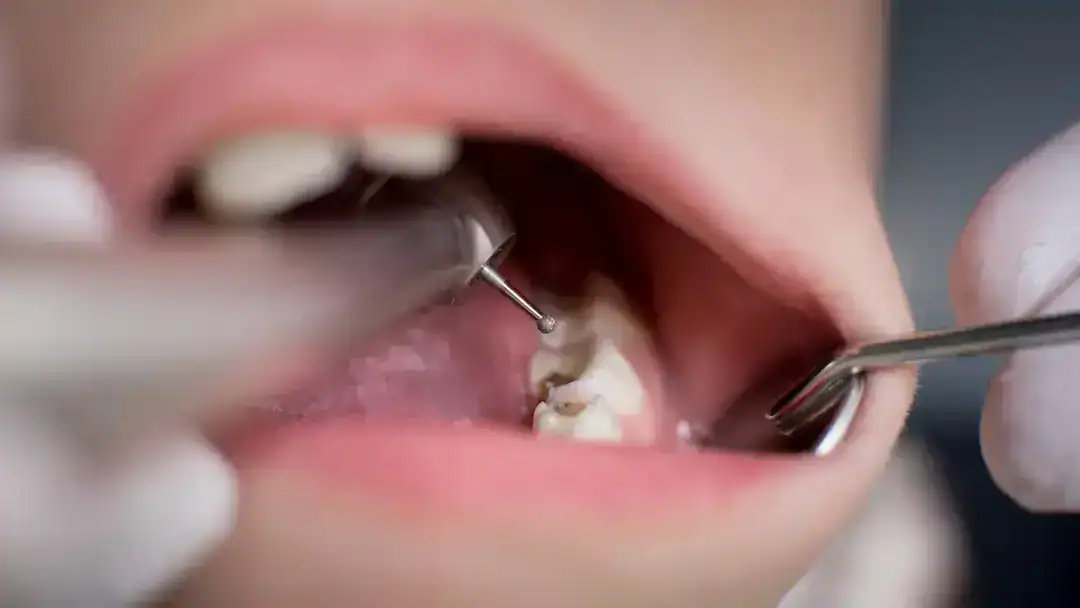
Dental cavities are caused by acid-producing bacteria that reside in dental plaque and metabolize dietary sugars to erode tooth enamel. While sugar consumption provides the necessary fuel for this process, clinical research indicates that the presence and activity of specific pathogens, most notably Streptococcus mutans, are the direct drivers of tooth decay.
For decades, public health messaging has focused heavily on reducing sugar intake to prevent dental caries. However, medical professionals are increasingly emphasizing that sugar is not the sole cause of decay, but rather a substrate that enables bacteria to create a destructive, acidic environment. Without these specific bacterial colonies, consuming sugar would not result in the structural breakdown of teeth.
The process of tooth decay is a complex biological interaction involving the oral microbiome, dietary habits, and the chemical composition of saliva. Understanding this mechanism is essential for effective prevention and long-term oral health management.
How does Streptococcus mutans cause tooth decay?
The primary biological agent in the development of dental caries is a bacterium known as Streptococcus mutans. According to the Centers for Disease Control and Prevention (CDC), cavities occur when bacteria in the mouth produce acids that attack tooth enamel. S. mutans is particularly effective at this because of its ability to adhere to the tooth surface and its capacity to ferment carbohydrates.
When these bacteria consume fermentable carbohydrates—such as glucose or sucrose—they undergo a metabolic process that produces organic acids, primarily lactic acid. This acid lowers the pH level of the mouth. When the pH drops below a critical threshold, typically around 5.5, the hydroxyapatite crystals that make up the tooth enamel begin to dissolve. This process is known as demineralization.
S. mutans is uniquely adapted to this environment. It produces extracellular polysaccharides, which act as a “glue,” allowing the bacteria to build a complex, protective structure called a biofilm, commonly known as dental plaque. This biofilm shields the bacteria from saliva and oral hygiene efforts, allowing them to continue producing acid directly against the tooth surface for extended periods.
Why is sugar considered a factor if it is not the direct cause?
The distinction between a “cause” and a “fuel” is critical in dental science. Sugar does not chemically dissolve enamel on its own; rather, it serves as the energy source for acidogenic (acid-producing) bacteria. The frequency of sugar consumption is often more damaging than the total amount consumed, as it dictates how often the oral pH drops into the danger zone.
To understand this relationship, dental professionals often reference the Stephan Curve. This scientific model describes the rapid drop in oral pH following the consumption of fermentable carbohydrates. After eating, the pH level falls sharply as bacteria produce acid. It then gradually rises as saliva performs its buffering function, neutralizing the acid and restoring the pH to a safe level. Frequent snacking keeps the mouth in a constant state of acidity, preventing the enamel from remineralizing.
The American Dental Association (ADA) notes that the ability of saliva to buffer these acids is a primary defense mechanism. If the oral environment is constantly flooded with sugar, the buffering capacity of saliva is overwhelmed, leading to chronic demineralization.
The following table compares the roles of sugar and bacteria in the decay process:
| Factor | Role in Caries Development | Impact on Tooth Structure |
|---|---|---|
| Streptococcus mutans | The primary biological pathogen (The “Engine”) | Produces lactic acid that dissolves enamel. |
| Dietary Sugars | The metabolic substrate (The “Fuel”) | Provides energy for bacterial acid production. |
| Dental Biofilm (Plaque) | The protective environment (The “Shield”) | Concentrates acid against the tooth surface. |
| Saliva | The natural defense (The “Buffer”) | Neutralizes acid and provides minerals for repair. |
What role does the oral microbiome play in tooth health?
Modern dental science has shifted from viewing the mouth as a sterile environment to recognizing it as a complex ecosystem known as the oral microbiome. A healthy mouth contains a diverse array of bacteria, many of which are beneficial or neutral. However, dental caries are the result of a “dysbiosis”—an imbalance in this ecosystem.
When the oral environment becomes dominated by acid-tolerant (aciduric) and acid-producing (acidogenic) bacteria like S. mutans, the balance shifts. This imbalance allows the biofilm to become more pathogenic. The presence of these bacteria is not a guarantee of cavities, but they are a necessary component of the decay process.
Clinical studies show that individuals with higher concentrations of S. mutans in their saliva are at a significantly higher risk of developing cavities. This is why dental professionals focus on both reducing the fuel (sugar) and managing the bacterial load (through hygiene and professional cleanings).
How can the demineralization process be reversed or prevented?
Preventing dental caries requires a dual approach: disrupting the bacterial biofilm and supporting the natural remineralization process of the teeth. Because the damage is driven by acid, the goal is to maintain a stable, neutral pH in the mouth.
Mechanical Disruption
Regular brushing and flossing are the most effective ways to physically break up the dental biofilm. By removing plaque, you reduce the concentration of S. mutans and prevent them from forming the protective colonies that drive acid production.
Chemical Remineralization
Fluoride is a critical tool in dental health. According to the Mayo Clinic, fluoride helps prevent cavities by strengthening the enamel and making it more resistant to acid. When fluoride is present in the saliva, it can actually incorporate itself into the tooth structure during the remineralization process, creating a harder surface that is more difficult for bacteria to penetrate.
Salivary Management
Since saliva is the mouth’s primary defense against acid, maintaining adequate salivary flow is vital. Dry mouth (xerostomia), often caused by certain medications or health conditions, significantly increases the risk of rapid tooth decay because the acid produced by bacteria is not being neutralized.
Summary of Preventative Measures
- Reduce frequency of sugar intake: Minimize the number of times the oral pH drops into the acidic range.
- Use fluoride toothpaste: Provide the minerals necessary to repair early-stage demineralization.
- Consistent biofilm removal: Brush twice daily and floss once daily to disrupt bacterial colonies.
- Monitor oral pH: Avoid acidic beverages like soda and citrus juices that contribute to enamel erosion.
Frequently Asked Questions
Can I get cavities if I don’t eat sugar?
While reducing sugar significantly lowers your risk, it is not impossible to develop cavities without it. Other fermentable carbohydrates, such as certain starches (found in bread or crackers), can also be broken down by oral bacteria into sugars, fueling acid production. Additionally, if the oral microbiome is already heavily dominated by S. mutans, the risk remains elevated.

Is tooth decay permanent?
It depends on the stage. Early-stage demineralization, often visible as white spots on the enamel, can sometimes be reversed through remineralization therapies involving fluoride. However, once a cavity has progressed to a physical hole in the tooth (a lesion), the damage is permanent and requires professional dental intervention, such as a filling.
Does brushing more often always prevent cavities?
Brushing is essential, but how and when you brush matters. Brushing immediately after consuming highly acidic foods can actually scrub away softened enamel. It is often recommended to rinse with water and wait for the saliva to neutralize the acid before brushing.
For updates on dental health guidelines and new research into oral microbiomes, dental professionals recommend monitoring official statements from the World Health Organization (WHO) and national health agencies.
Have you changed your dental hygiene routine based on recent health findings? Share your thoughts and experiences in the comments below.
Keep reading