
When a young patient walks into a dental clinic complaining of a persistent toothache, the primary focus is typically on common culprits: dental caries, pulpitis, or perhaps an impacted wisdom tooth. However, medicine often reminds us that seemingly localized symptoms can sometimes be the first outward sign of a complex systemic condition. Recently, the medical community has seen instances where a routine dental visit led to a life-altering acute myeloid leukemia diagnosis, underscoring the critical role that oral health professionals play in the broader diagnostic landscape.
As a physician, I have often noted that the oral cavity serves as a mirror to our general health. While most dental pain is confined to the structures of the mouth, certain blood-related disorders can manifest through oral tissues before they are identified elsewhere in the body. For patients and clinicians alike, understanding the connection between oral symptoms and systemic diseases is essential for timely intervention and improved health outcomes.
Understanding the Connection: Why Oral Symptoms Matter
Acute myeloid leukemia (AML) is a cancer of the blood and bone marrow, characterized by the rapid growth of abnormal white blood cells. According to the American Cancer Society, AML interferes with the production of normal blood cells, which can lead to a variety of symptoms, including fatigue, easy bruising, and an increased susceptibility to infections. In some cases, the oral cavity becomes a site of these manifestations due to the infiltration of leukemic cells into the gingiva, or the development of secondary infections that the immune system is no longer equipped to fight.
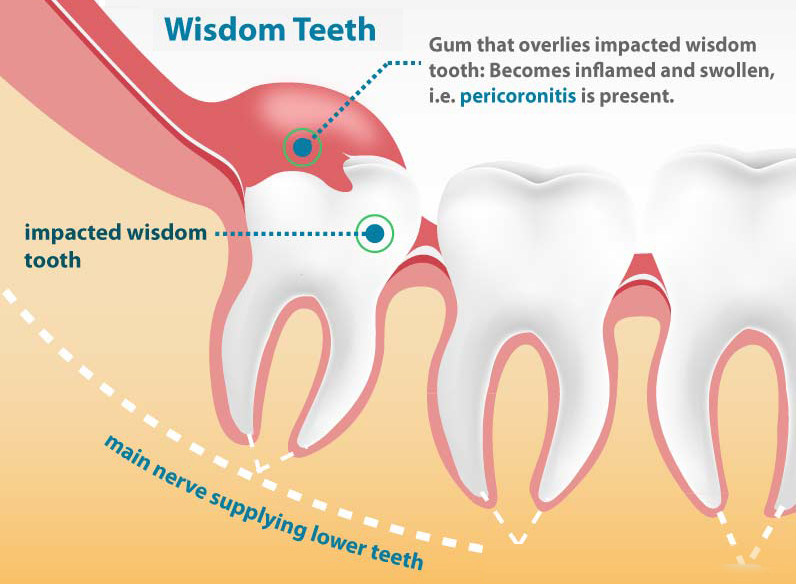
When a patient presents with gum swelling, spontaneous bleeding, or persistent pain that does not correlate with standard dental findings, the dentist may perform a clinical assessment that includes a detailed review of the patient’s medical history. If the findings are inconsistent with common dental pathology, a referral for a complete blood count (CBC) is often the next logical step in the diagnostic process. This intersection between dental and medical diagnostic pathways is vital, as early detection of hematologic malignancies significantly impacts the prognosis of the patient.
Recognizing Red Flags in Oral Health
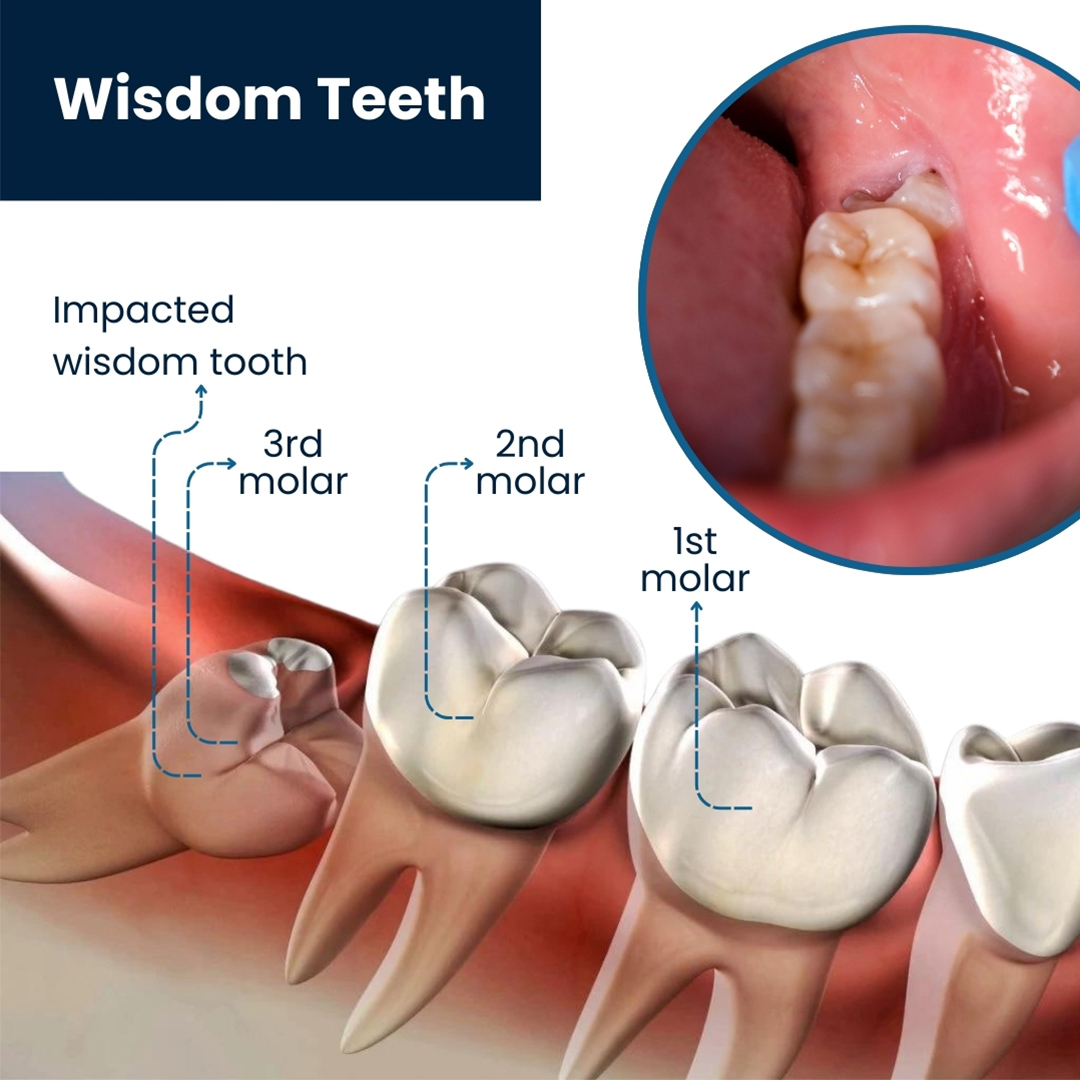
It is vital to differentiate between standard dental issues and symptoms that warrant a more thorough systemic investigation. While a wisdom tooth extraction is a common procedure, dentists are trained to look for signs that suggest something more profound. These may include:
- Unexplained gingival enlargement or hypertrophy.
- Persistent oral ulcerations that fail to heal within two weeks.
- Spontaneous gingival hemorrhage without clear localized cause.
- Persistent lymphadenopathy in the head and neck region.
These clinical indicators, as outlined by the American Dental Association, are essential markers that necessitate immediate follow-up. While these symptoms are often caused by common inflammatory processes, their persistence should always trigger a comprehensive medical evaluation to rule out underlying systemic disease.
The Diagnostic Journey: From Dental Chair to Oncology
The transition from a dental complaint to a cancer diagnosis can be an overwhelming experience for any patient. When a dentist identifies potential systemic involvement, the standard protocol involves an urgent referral to a primary care physician or hematologist. The diagnosis of AML is typically confirmed through a combination of blood tests and a bone marrow biopsy, which allows specialists to examine the cells under a microscope and perform genetic testing to classify the subtype of leukemia.
Modern advancements in hematology have drastically improved the management of AML. According to the Leukemia & Lymphoma Society, treatment strategies are now highly personalized, often involving targeted therapy, chemotherapy, and, in many cases, stem cell transplantation. The rapid identification of the disease—even when it begins with a symptom as simple as a toothache—allows the medical team to initiate these life-saving treatments at the earliest possible stage.
The Role of Interdisciplinary Care
The case of a young patient discovering leukemia during a dental exam highlights the necessity of interdisciplinary communication. Healthcare is not siloed; what happens in the dental chair is intrinsically linked to the function of the bone marrow, the immune system, and the circulatory system. This is why regular dental check-ups are not just about oral hygiene—they are a fundamental component of holistic preventive medicine.
Patients should feel empowered to discuss all symptoms with their healthcare providers, including dentists. If you have concerns about persistent oral pain, unexplained swelling, or changes in your oral tissue, do not hesitate to ask your dentist about their observations. Transparent communication between the patient and the dental team is the first step in ensuring that no diagnostic detail is overlooked.
Moving Forward: Proactive Health Management
For those navigating a new diagnosis or supporting a loved one, the path forward involves staying informed through reputable medical organizations. Official updates regarding treatment protocols and patient support resources are best accessed through verified channels such as the World Health Organization, which provides global guidance on cancer prevention and care. Engaging with these resources can help clarify the complexities of the diagnostic journey and the subsequent treatment plans.
As we continue to see advancements in medical diagnostics, the importance of these “incidental” findings will only grow. A routine visit to the dentist may be the catalyst for a life-saving intervention, reminding us all that the body’s systems are deeply interconnected. Whether you are a patient or a professional, maintaining a high index of suspicion and prioritizing comprehensive care remains the gold standard in modern healthcare.
If you or someone you know is experiencing persistent oral health issues that do not resolve with standard treatment, please consult with your primary care physician to discuss the necessity of a blood panel or further diagnostic workup. Your health is a continuous story, and every detail matters.
Have you or a family member had an experience where a routine check-up led to an unexpected health discovery? We encourage you to share your thoughts and questions in the comments below, or join the conversation on our social media channels.