
For millions of older adults across the globe, a small, daily dose of levothyroxine is a routine part of morning life. As one of the most frequently prescribed medications in both the United States and Europe, this synthetic thyroid hormone is often viewed as a lifelong commitment once started. However, a growing movement in geriatric medicine is questioning whether “treatment for life” is always the safest path, particularly when the diagnosis is based on laboratory numbers rather than clear physical symptoms.
The challenge lies in a condition known as subclinical hypothyroidism. In this state, the thyroid-stimulating hormone (TSH) level is elevated, but the actual thyroid hormone (thyroxine) remains within a normal range. For many older patients, this results in a prescription for hormone replacement therapy that may not be clinically necessary. The process of thyroid hormone deprescribing in older adults—the systematic, supervised reduction or discontinuation of these medications—is emerging as a critical tool for improving patient safety and reducing the burden of polypharmacy.
As a physician and health journalist, I have seen how the “treat the lab value” approach can lead to unintended complications. While replacing missing hormones is essential for those with complete thyroid failure, the boundaries for “normal” thyroid function shift as we age. When the line between a healthy aging thyroid and a diseased one becomes blurred, the risks of over-treatment can begin to outweigh the benefits of the medication.
The Risks of Iatrogenic Thyrotoxicosis
When an older adult receives more thyroid hormone than their body requires, they may develop iatrogenic thyrotoxicosis—a state of artificial hormone excess induced by medical treatment. Unlike the gradual decline of thyroid function, this medication-induced excess can place significant stress on the cardiovascular and skeletal systems, which are already vulnerable in older populations.
The cardiovascular impact is perhaps the most concerning. Excess thyroid hormone can increase heart rate and trigger arrhythmias, most notably atrial fibrillation, which significantly raises the risk of stroke. Long-term over-replacement is linked to accelerated bone loss, increasing the likelihood of osteoporosis and fragility fractures in post-menopausal women and older men. In some cases, this hormonal imbalance can also contribute to cognitive instability or exacerbate anxiety, often being misdiagnosed as general age-related decline.
These risks are particularly acute because older adults often have a diminished physiological reserve. A dose of levothyroxine that was appropriate at age 60 may become excessive at age 80 due to changes in body composition, kidney function, or the introduction of other medications that alter how the hormone is metabolized.
Who is a Candidate for Deprescribing?
Deprescribing is not about the abrupt cessation of medication, which can be dangerous, but rather a strategic clinical decision made in partnership between the patient and their provider. Not every patient on thyroid hormone therapy should stop; for those who have undergone a total thyroidectomy, received radioactive iodine treatment, or suffer from autoimmune conditions like Hashimoto’s thyroiditis, the medication is irreplaceable.
However, candidates for a deprescribing conversation typically fall into several specific categories:
- Asymptomatic Patients on Low Doses: Individuals who are stable on low doses (such as 25 to 50 micrograms) and report no symptoms of hypothyroidism.
- Subclinical Hypothyroidism: Patients whose treatment was initiated solely based on an elevated TSH without evidence of clinical benefit or symptomatic improvement.
- Unclear Indications: Patients who have been on the medication for years but cannot recall the original diagnosis or for whom there is no documented evidence of thyroid failure.
- Drug-Induced Hypothyroidism: Those whose thyroid dysfunction was a temporary side effect of another medication, such as amiodarone or lithium, which has since been discontinued or adjusted.
The goal is to determine if the patient has spontaneously reverted to a euthyroid state—meaning their thyroid has regained normal function on its own—which is a documented occurrence in a significant portion of those diagnosed with subclinical hypothyroidism.
Implementing a Safe Deprescribing Strategy
The process of reducing thyroid hormone must be gradual and monitored. Because thyroid hormones have a long half-life, the effects of a dose change may not be apparent in blood tests for several weeks. A typical approach involves a gradual dose reduction, often starting with a 50% decrease if the baseline TSH is within an acceptable range, followed by periodic monitoring of thyroid function tests.
A critical component of this strategy is the shift in TSH targets. In younger adults, clinicians typically aim for a narrow, tight TSH range. However, for older adults, a more lenient target is often safer and more physiological. For those aged 65 to 80, a target TSH concentration of 1 to 5 mU/L is often appropriate, while for those 80 and older, a range of 4 to 6 mU/L may be preferred to avoid the risks of over-treatment. These adjusted targets acknowledge that a slightly higher TSH is common and often benign in advanced age.
Monitoring is the safeguard of the process. If the serum TSH increases significantly (indicating a return of primary hypothyroidism) or if free T4 levels drop below the reference range without a corresponding TSH rise (indicating central hypothyroidism), the medication is typically restarted at the previously tolerated dose. This ensures that the patient is never left in a state of severe deficiency.
The Role of the Patient-Provider Partnership
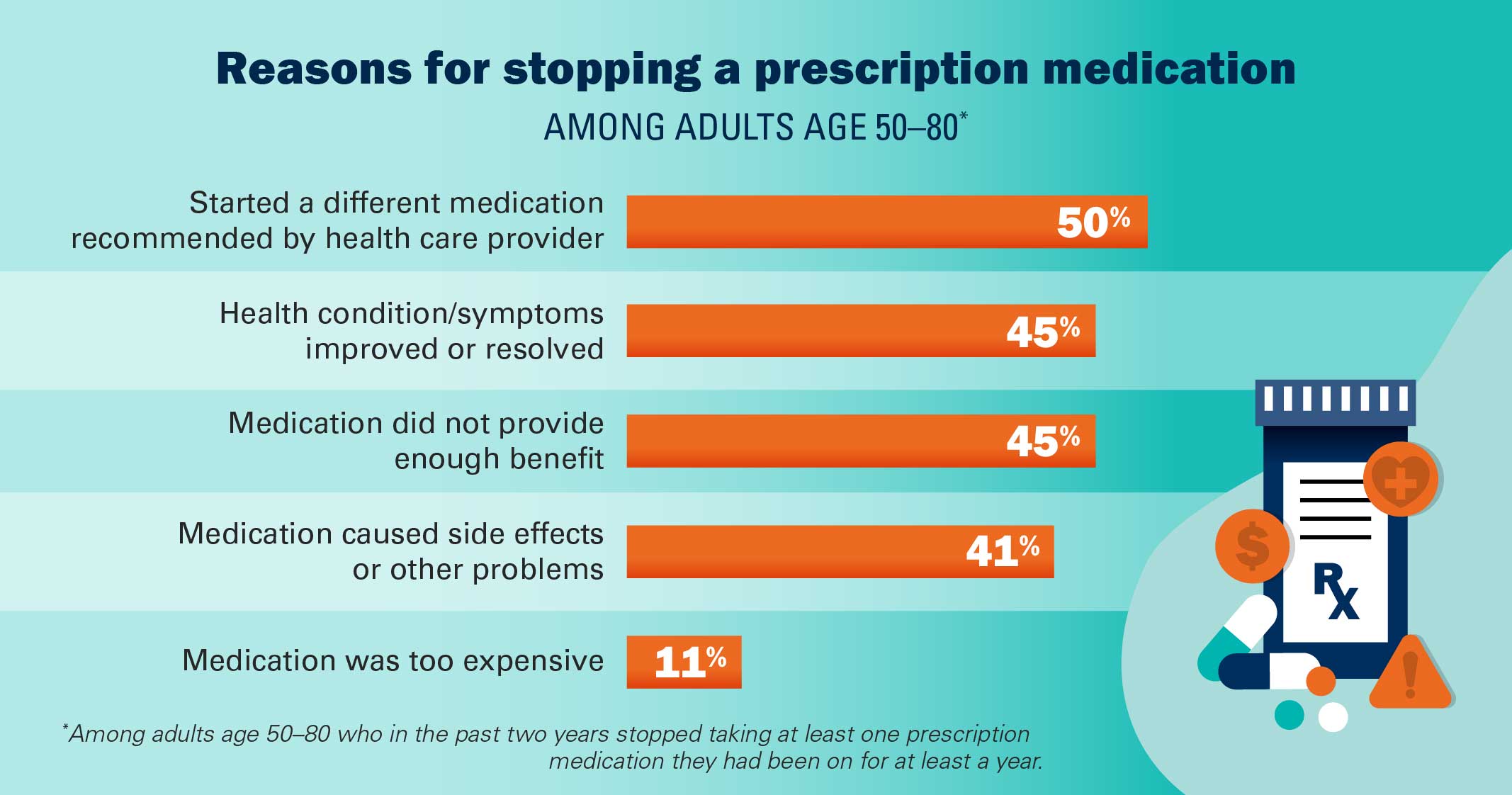
Deprescribing requires a shift in the patient’s mindset. Many individuals fear that stopping a medication means their health is declining or that they are “giving up” on a treatment. It is essential for providers to frame deprescribing as an active clinical intervention—a way to optimize health by removing an unnecessary burden.
Patients should be encouraged to keep a symptom diary during the tapering process. While TSH levels provide the biochemical data, the patient’s lived experience—their energy levels, cognitive clarity, and sleep quality—is the ultimate measure of success. When a patient realizes they feel just as well, or even better, without the daily pill, the psychological barrier to deprescribing vanishes.
For those navigating this process, the following questions can help guide the conversation with a healthcare provider:
- “What was the original reason I started this medication, and is that reason still valid today?”
- “Given my current age and health status, is my TSH target too low?”
- “Am I experiencing any side effects, like heart palpitations or bone density loss, that could be related to my thyroid dose?”
- “Would a supervised trial of dose reduction be safe and appropriate for me?”
Looking Ahead: Individualized Endocrine Care
The future of endocrine health in the elderly is moving away from rigid laboratory benchmarks and toward individualized, patient-centered care. By prioritizing the clinical picture over the lab report, medicine can reduce the prevalence of inappropriate prescribing and improve the quality of life for older adults.
The systematic review of medications—often called a “brown bag review” where patients bring all their prescriptions to a single appointment—is the first step in identifying opportunities for thyroid hormone deprescribing. As we continue to refine our understanding of the aging thyroid, the focus will remain on ensuring that medication serves the patient, rather than the patient serving the medication.
The next step for many health systems will be the integration of standardized deprescribing protocols into electronic health records, prompting clinicians to review thyroid therapy for older adults at regular intervals. This systemic change will help ensure that no patient remains on a lifelong medication that they no longer need.
Do you or a loved one take thyroid medication? Have you discussed TSH targets with your doctor? Share your experiences in the comments below or share this article with a friend who may find this information helpful.
Related reading