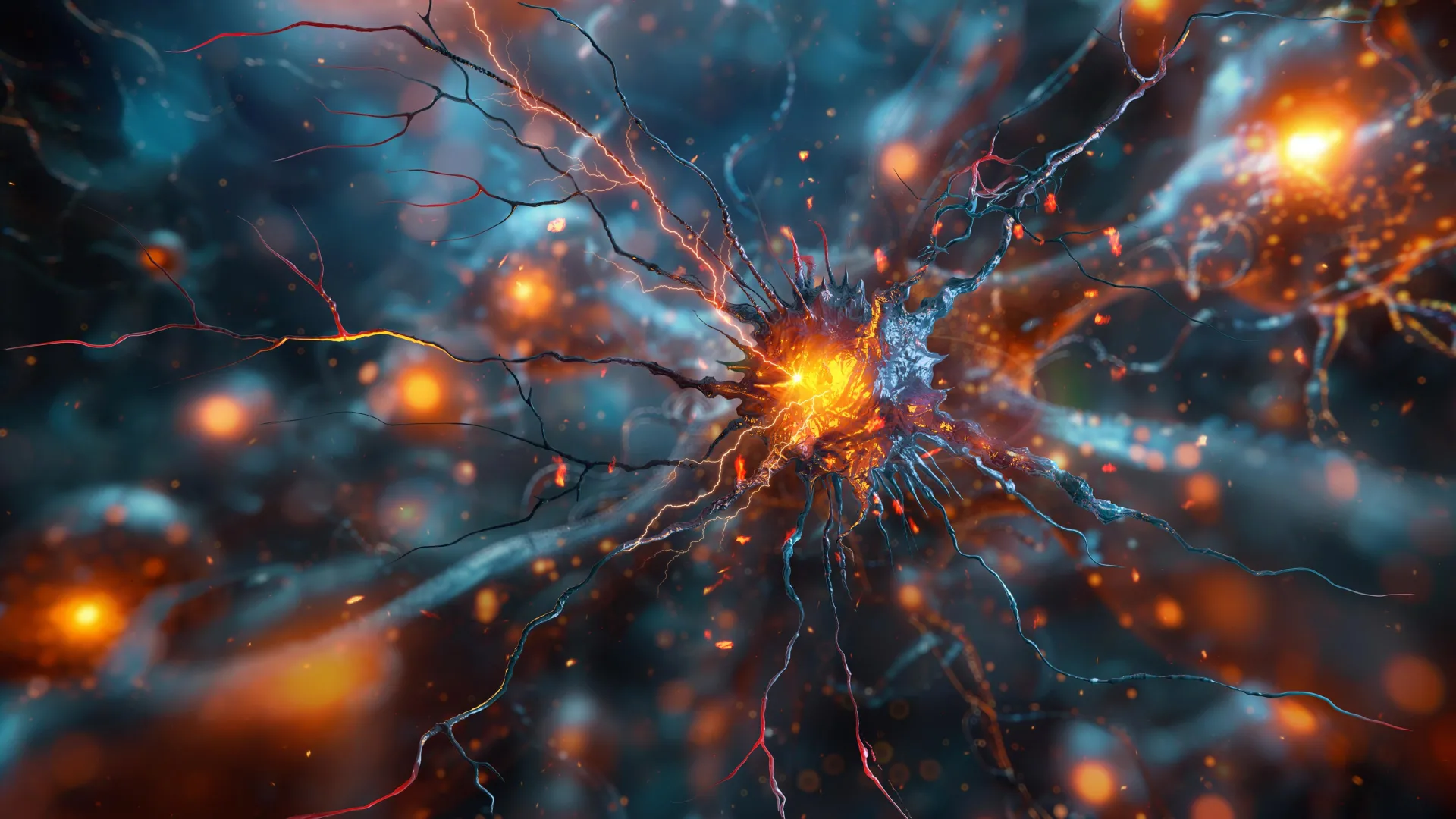
The Energy of Emotion: How ATP Signaling in the Brain Impacts Depression and Anxiety
Do you ever wonder what’s really happening in your brain when you feel overwhelmed with sadness or gripped by anxiety? while we often focus on neurotransmitters like serotonin and dopamine, a fascinating new area of research points to a surprising player: adenosine triphosphate, or ATP. This molecule,traditionally known as the cell’s primary energy source,is now being recognized as a crucial signaling molecule that profoundly impacts mood regulation. A groundbreaking study published in JNeurosci sheds light on how disruptions in ATP signaling within the hippocampus – the brain’s memory and stress center – can contribute to both depression and anxiety. this article dives deep into this emerging science, exploring the connection between energy metabolism, brain health, and emotional wellbeing.
The Hippocampus: Where memory Meets Mood
The hippocampus isn’t just about remembering facts and figures. It’s a critical hub for processing emotions, particularly in response to stress. This brain region is remarkably sensitive to prolonged stress, and disruptions within it can fundamentally alter how we perceive and react to challenging situations. When the hippocampus isn’t functioning optimally, it can set the stage for the development of both depressive and anxiety disorders. Learn more about the hippocampus and its functions at the National Institute of Mental Health.
ATP: beyond Energy – A Messenger of Mood
For years, ATP was understood primarily as the fuel that powers our cells. However, scientists are now discovering its vital role as a neurotransmitter, facilitating communication between neurons. This communication is essential for maintaining healthy brain function and, crucially, regulating our emotional state. The JNeurosci study, led by tian-Ming Gao and colleagues at Southern Medical University, focused on understanding how ATP signaling operates within the hippocampus and how it’s affected by stress.
The Link Between Stress,ATP Loss,and Connexin 43
The research team discovered a compelling correlation in male mice: those predisposed to developing depressive and anxiety-like behaviors after chronic stress exhibited substantially lower levels of ATP in the hippocampus. This reduction in ATP wasn’t random; it was linked to decreased production of a protein called connexin 43.
Connexin 43 is a vital component of channels that allow ATP to move between cells. Think of it as a gatekeeper for energy and communication. When connexin 43 levels are low, ATP release is impaired, disrupting the delicate balance of signaling within the hippocampus. This disruption, the study suggests, isn’t just a result of stress – it can actually contribute to the development of mood disorders.
Experimentally Disrupting ATP Signaling: A Clear Connection
To further investigate this connection, the researchers conducted a fascinating experiment. They genetically reduced or even eliminated connexin 43 in hippocampal cells of mice that had not been exposed to any stress. Remarkably, even without a stressful environment, these mice began to exhibit depressive and anxiety-like behaviors, alongside reduced ATP levels.
This finding is pivotal. It demonstrates that impaired ATP release, autonomous of external stressors, can directly influence emotional behaviour. It’s not simply that stress lowers ATP; lowering ATP can create vulnerability to mood disorders.
Restoring ATP Signaling: A Path to Recovery
The team didn’t stop there. They then attempted to reverse the effects of stress by restoring connexin 43 levels in the hippocampus of stressed mice. The results were striking. As connexin 43 was replenished,ATP levels normalized,and the mice showed significant improvements in their behavior. This recovery strongly reinforces the idea that ATP signaling plays a central, causal role in regulating mood.
A Shared Pathway for Depression and Anxiety: Implications for treatment
“This is the first direct evidence that deficient ATP release in [a region of the] hippocampus drives both depressive- and anxiety-like behaviors, revealing a shared molecular pathway [for these conditions],” explains Gao. This is a significant breakthrough as depression and anxiety frequently co-occur, making them challenging to treat with conventional therapies that frequently enough target specific neurotransmitters.
Identifying a shared biological pathway opens up the possibility of developing interventions that address both conditions together. The link between connexin 43 and ATP release specifically highlights a potential therapeutic target. Imagine a future where treatments could focus on improving or restoring ATP signaling to alleviate both depressive and anxiety symptoms.
Future Directions: Expanding the Research
While this research is incredibly promising, it’s still in its early stages. The current study focused on male mice,and the researchers are now planning to include female mice in future investigations. Understanding whether these mechanisms operate similarly across sexes is crucial for broadening the relevance of their findings and developing effective treatments for everyone. Further research will also explore the potential for pharmacological interventions that can boost connexin 43
- GIST Researchers Discover New Gut Microbiome-Based Treatment Strategy
- August 2026 Astronomical Events: Solar Eclipses, Meteor Showers & Supermoons Visible from Indonesia
- Anchorage Converts Landfill Waste Into Energy With New Incinerator (news-usa.today)
- The Secret of the Chinese Snacks: A Train Journey Discovery (archynewsy.com)