
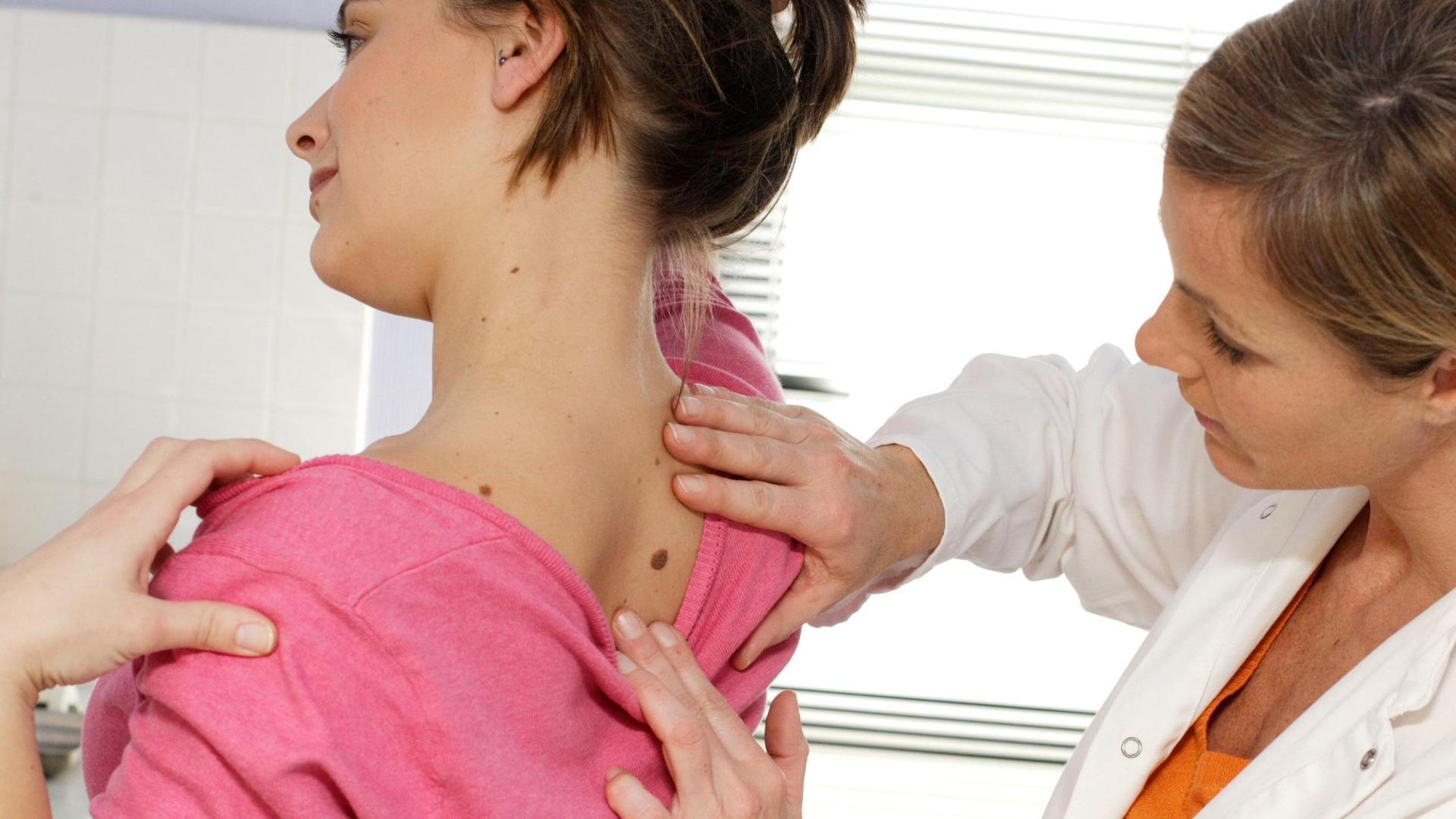
Italian dermatologist Paolo Broganelli has issued a stark warning about the growing threat of medical misinformation online, particularly in dermatology, where false claims about skin cancer, sun exposure, and common skin conditions are spreading rapidly across social media platforms. Speaking at the 99th Congress of the Italian Society of Dermatology and Sexually Transmitted Diseases, Broganelli, chief of dermatology at Mauriziano Hospital in Turin, emphasized that up to eight in ten patients now seek health information online before consulting a specialist, increasing the risk of self-diagnosis and inappropriate treatments.
According to a study cited by Broganelli analyzing 385 dermatology-related posts shared on major social networks, only 35.3% contained accurate information, while 44.7% were imprecisely stated and 20% were confused or contradictory. More troublingly, the research found that inaccurate content consistently generated higher engagement than factual posts, amplifying the spread of harmful myths. This trend, he warned, undermines public health efforts and puts patients at serious risk when they act on unverified advice.
The most dangerous misconceptions identified include the false beliefs that psoriasis is contagious, that removing moles damages health, that plantar warts are dangerous, that vaccines cause autoimmune diseases, that sunscreen causes skin cancer, and that acne results solely from poor hygiene. Broganelli stressed that all of these claims are entirely unfounded and can lead individuals to avoid proven preventive measures or pursue harmful alternatives.
He also highlighted the growing influence of artificial intelligence-powered filters and image-editing apps on social media, which promote unrealistic beauty standards and contribute to digital dysmorphia — a condition where users develop distorted perceptions of their own appearance. This phenomenon, he noted, drives unnecessary demand for cosmetic procedures such as fillers and botox, which have seen a 126% increase in Italy over the past year according to recent industry reports.
Broganelli urged the public to rely on certified medical professionals and official health resources when seeking information about skin health, cautioning that while online content is free and easily accessible, it is often unreliable. “Whoever makes a mistake doesn’t pay,” he said, underscoring the absence of accountability in the spread of medical misinformation. His remarks were part of a broader call by Italian dermatological societies to improve public education and combat the rising tide of disinformation in dermatology.
Understanding the Risks of Dermatological Misinformation
The proliferation of false medical claims online poses a significant challenge to preventive care, particularly in dermatology where early detection of conditions like melanoma can be life-saving. Misconceptions about sunscreen, for example, directly contradict decades of scientific evidence showing that regular use of broad-spectrum SPF reduces the risk of skin cancer. Similarly, the myth that acne is caused by dirty skin overlooks the complex interplay of hormones, genetics, and microbiota involved in the condition, potentially leading to over-washing and skin irritation.

Experts warn that when patients delay or avoid professional care based on false online information, treatable conditions may progress to more serious stages. In the case of melanoma, early detection through regular skin checks can result in survival rates exceeding 90%, whereas late-stage diagnosis significantly reduces treatment options and prognosis. Public health officials continue to emphasize the importance of consulting board-certified dermatologists for any changing or suspicious skin lesions.
The role of social media algorithms in amplifying sensational or emotionally charged content — regardless of accuracy — further complicates efforts to promote evidence-based health information. Studies have shown that posts triggering fear or outrage often receive more shares and comments than neutral, factual updates, creating a feedback loop that favors misinformation. Addressing this requires not only individual media literacy but also platform-level interventions to reduce the visibility of unverified medical claims.
Practical Steps for Protecting Skin Health
To combat the influence of online misinformation, health authorities recommend several evidence-based practices for maintaining skin health. These include performing regular self-examinations of the skin for new or changing moles, using sunscreen with SPF 30 or higher daily, avoiding tanning beds, and seeking prompt medical evaluation for any persistent skin changes. The Italian Society of Dermatology has published a guide outlining ten key rules for melanoma prevention, which includes knowing your skin type, monitoring moles using the ABCDE rule (Asymmetry, Border, Color, Diameter, Evolving), and scheduling annual dermatological check-ups.

For those concerned about acne or other common skin conditions, dermatologists advise against relying on unverified home remedies or diet-based cures promoted online without scientific backing. While certain dietary factors may influence skin health in some individuals, there is no universal link between specific foods and acne development. Treatment should be personalized and guided by a medical professional who can assess underlying causes and recommend appropriate therapies, whether topical, oral, or procedural.
Regarding cosmetic procedures, experts caution that the rise in demand driven by filtered selfies and social media trends does not eliminate the need for thorough consultation. Treatments like botox and dermal fillers carry potential risks, including bruising, asymmetry, or rare but serious complications such as vascular occlusion, and should only be administered by qualified practitioners in clinical settings.
The Role of Medical Professionals in Countering Disinformation
Dermatologists and other healthcare providers are increasingly called upon to act as trusted sources of accurate information in the digital age. Many now maintain professional social media profiles to share evidence-based content, debunk myths, and guide patients toward reliable resources. Medical institutions are also investing in public outreach campaigns that use clear, accessible language to explain complex topics such as skin cancer prevention, the safety of vaccines, and the realities of common dermatological conditions.
Continuing education for healthcare workers includes training in communication strategies that build trust and address patient concerns without dismissing their online research. By acknowledging why patients turn to the internet — convenience, anonymity, and immediacy — clinicians can better engage in constructive conversations about information quality and guide patients toward authoritative sources such as national health services, academic medical centers, and peer-reviewed journals.
As Broganelli concluded in his address, the fight against medical misinformation requires a collective effort involving healthcare providers, public health organizations, technology platforms, and an informed public. While the challenge is significant, promoting transparency, accountability, and access to verified knowledge remains essential to protecting public health in an era of information overload.