Senescent Astrocytes: A Key Driver in Alzheimer’s Disease Progression
Madrid, Spain – A groundbreaking study from the Spanish national Research council (CSIC) has identified a critical role for senescent astrocytes – a type of brain cell – in the advancement and progression of Alzheimer’s disease.The research, published recently, suggests that these cells undergo premature aging, contributing too neuroinflammation and neuronal damage. This finding opens new avenues for potential therapeutic interventions targeting this specific cellular dysfunction.
The study focuses on astrocytes, star-shaped glial cells that play a vital role in supporting neurons, maintaining the blood-brain barrier, and regulating synaptic function. Individuals carrying the APOE4 gene variant, a major genetic risk factor for late-onset Alzheimer’s disease, are particularly susceptible to this premature aging process in their astrocytes.
“We have found that these damaged astrocytes not only lose their ability to protect neurons, but also adopt a pro-inflammatory profile that severely compromises neuronal survival,” explain the researchers. As astrocytes enter a state of senescence,they accumulate DNA damage,exhibit mitochondrial dysfunction (impairing cellular energy production),and release toxic molecules that amplify inflammation and damage within the brain tissue.
Cutting-Edge Technology: From Skin to Brain
To reach these conclusions,the research team employed induced pluripotent stem cell (iPSC) technology. This innovative approach allowed them to reprogram skin cells obtained from Alzheimer’s patients into functional human astrocytes in the laboratory. This method overcomes the limitations of traditional animal models, which often fail to fully replicate the complexity of the human brain.
The in vitro findings were later validated through analysis of postmortem brain tissue from Alzheimer’s patients.This analysis confirmed that approximately 80% of cells exhibiting signs of premature aging in the cerebral cortex were astrocytes – a significantly higher percentage than observed in age-matched healthy individuals.
These results strongly support the hypothesis that astrocyte senescence isn’t merely a result of Alzheimer’s disease, but a central element driving its progression.
Towards Novel Therapies
This discovery is particularly significant given the current lack of effective treatments to cure or slow the progression of Alzheimer’s disease, which affects over 1.2 million people in Spain alone, and tens of millions worldwide. The study’s findings offer a new therapeutic pathway focused on developing innovative strategies – such as senolytic drugs – to eliminate or “reprogram” these senescent astrocytes. The goal is to protect neurons and slow cognitive decline. Senolytic drugs are designed to selectively eliminate senescent cells.
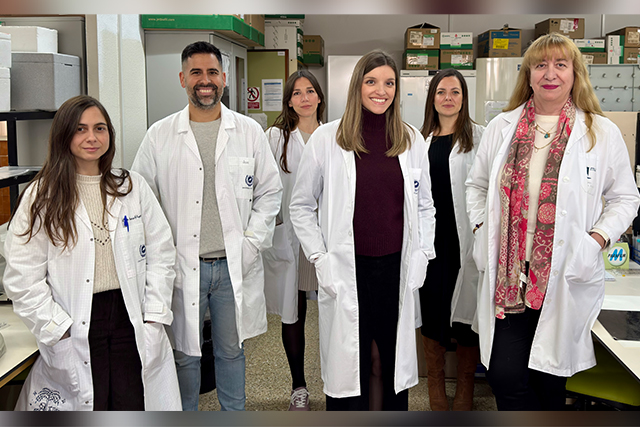
The research was led by Laura Cáceres Palomo, whose work forms part of her doctoral thesis. The project involved collaboration with researchers from leading international institutions including the University of california, Irvine (UCI), the University of California, San Francisco (UCSF), the University of Seville (US), the Institute of Biomedicine of Seville (IBIS), and CIBERNED, highlighting the multidisciplinary and global nature of the investigation.
Sources:
* CSIC Press Release: https://www.csic.es/en/news/senescent-astrocytes-key-driver-alzheimers-disease-progression
* Alzheimer’s Association: https://www.alz.org/alzheimers-dementia/what-is-alzheimers
* National Institute on Aging (NIA): https://www.nia.nih.gov/health/alzheimers-and-dementia
* Senolytic Drugs: https://www.ncbi.nlm.nih.gov/pmc/articles/PMC6161992/ (Review article on senolytic drugs)
Worth a look