
Detroit’s Demolition Dirt: A Growing Environmental and Public Health Concern
A troubling situation is unfolding in Detroit, revealing potentially widespread soil contamination stemming from city-sponsored demolition projects. What began as an investigation into a single contractor has blossomed into a city-wide assessment, raising serious questions about public health, regulatory oversight, and the prioritization of speed over safety. As an environmental scientist with over two decades of experience in brownfield remediation and risk assessment,I’m deeply concerned by the emerging details.
The Problem: Contaminated Demolition Debris
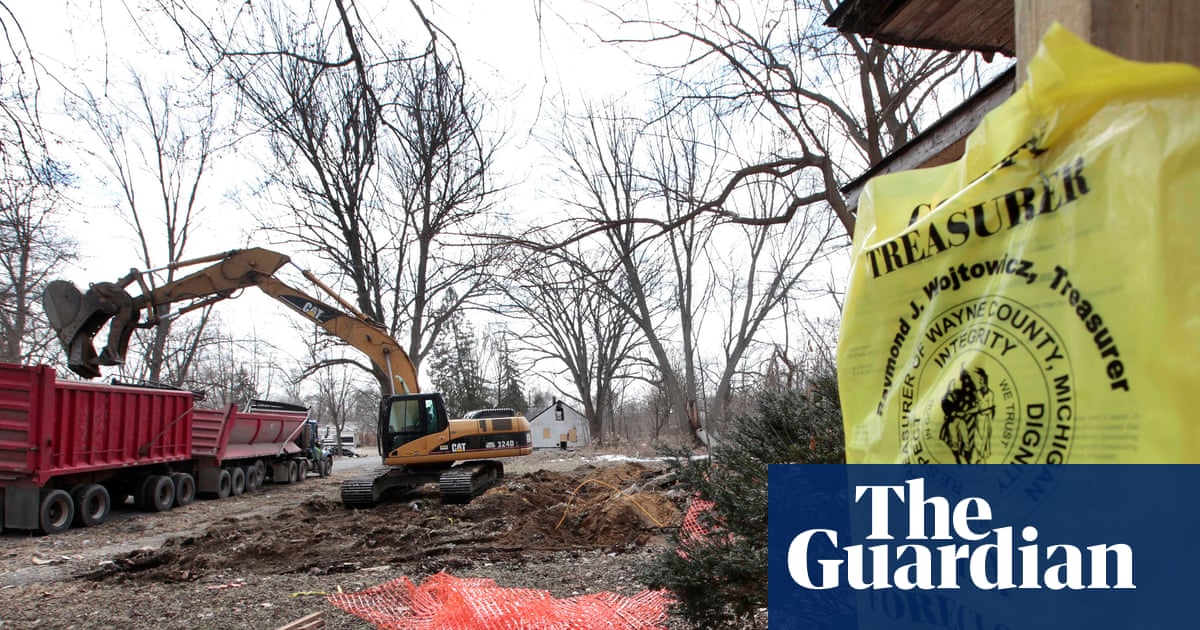
The current crisis originated with an Inspector General’s investigation earlier this year. It uncovered a contractor utilizing dirt sourced from the demolition of the Northland Shopping Mall – a site known to contain construction and demolition debris – to fill residential demolition sites across the city. Initial testing, reported in November, was alarming: 42 out of 47 sites tested exceeded established pollution thresholds, with much of the contamination deemed “unsafe for direct human contact.”
As of December 22nd, the city has identified 424 sites potentially affected. While Mayor Duggan’s administration is working with the City to determine appropriate actions, the scale of the problem is meaningful. Currently, 32% of the 50 sites tested so far show contaminant levels “above regional background levels” - a critical threshold triggering mandatory cleanup and indicating a potential risk to residents.
Why This Matters: Health Risks and Vulnerable Populations
This isn’t simply an aesthetic issue. The contaminants likely present in the Northland Mall debris – including heavy metals and potentially asbestos - are linked to serious health problems. Long-term exposure can contribute to cancer, and even lower levels of contaminants can impair cognitive development in children.
The immediate risk comes from dust blowing off these sites. Children playing in the affected areas, or anyone coming into direct contact with the soil, face the most immediate health impacts. It’s crucial to understand that even contaminant levels below Detroit’s regional background thresholds can still pose a danger. Detroit’s background levels are already higher than in many other cities, meaning the standard for “safe” is unfortunately compromised.
A Systemic Issue: Regulatory Loopholes and Prioritized Speed
The root of this problem lies in a combination of regulatory loopholes and a perceived prioritization of demolition speed over thorough environmental controls. Protocols were updated in 2018 following a similar incident involving freeway demolition debris, requiring testing of dirt sourced from commercial land.However, these regulations created an incentive for contractors to falsely claim dirt originated from residential areas – avoiding testing altogether.
According to dr. RJ Koscielniak, an Eastern Michigan University geology professor specializing in Detroit’s urban decline, the city failed to implement robust verification measures. He argues that regulations were actively opposed by contractors and that the administration prioritized rapid demolition over stringent oversight. This echoes a pattern of prioritizing expediency over long-term environmental and public health consequences.
The Mayor’s Assessment vs. Expert Opinion
Mayor Duggan recently downplayed the health threat, suggesting risk is limited to those actively digging in the soil. This assessment is, frankly, misleading. Unlike properly managed hazardous waste sites – which are capped with specialized liners or several feet of clay – these sites lack any such protective barriers.
As dr. Allen Burton, an ecosystems management researcher at the University of Michigan, points out, “Anything that is near the surface is going to be a hazard to the neighborhood.” The idea that limited exposure equates to limited risk is a perilous oversimplification.The potential for contaminant dispersal through wind, water runoff, and simple human activity is ample.
What Needs to Happen Now
This situation demands a comprehensive and clear response. here’s what’s critical:
* Full Transparency: The city must immediately release a complete list of potentially contaminated sites, along with detailed testing data, including specific contaminants identified.
* Comprehensive Testing: Expand testing beyond the initial 50 sites to encompass all 424 identified locations.
* Robust Remediation Plan: Develop and implement a comprehensive remediation plan for each affected site, prioritizing the most vulnerable areas (e.g., parks, schools, playgrounds). This plan should include appropriate soil removal, capping, or other proven remediation techniques.
* Autonomous Oversight: engage an independent environmental consulting firm to oversee the remediation process and ensure adherence to best practices.
* Community Engagement: Actively engage with residents in affected neighborhoods, providing clear and accurate information, and addressing their concerns.
The situation in Detroit is a stark reminder that environmental justice and public





![Nothing Watch 3 Pro: Massive Discount & Deals – [Month, Year]](https://i0.wp.com/www.droid-life.com/wp-content/uploads/2025/12/CMF-by-Nothing-Watch-Pro-3-1200x628-cropped.jpg?resize=150%2C100&ssl=1 "Nothing Watch 3 Pro: Massive Discount & Deals – [Month, Year]")


