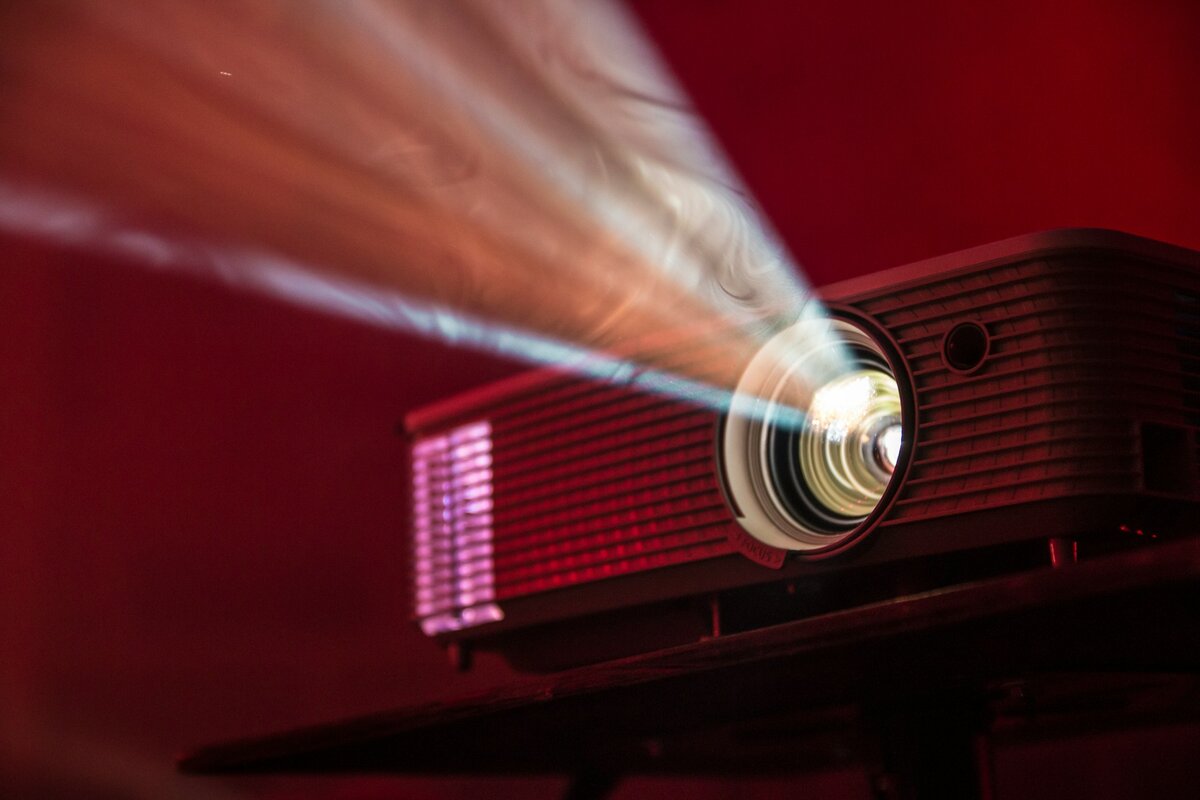
As sports fans gather to watch major tournaments, the focus is often on the quality of the display or the size of the projection screen. However, technical experts warn that the setup of these home entertainment systems—specifically televisions, projectors, and screens—requires as much attention to safety as to performance. Ensuring that these devices are securely mounted or positioned is a critical step in preventing accidents that can lead to injury in residential settings.
The core issue lies in the physical placement of modern hardware. Large-format televisions and heavy projector mounts are frequently installed in areas with high foot traffic or near seating arrangements. When these items are incorrectly mounted or placed on unstable surfaces, they create significant hazards. The risk of equipment tipping over or falling from a wall mount is a tangible concern that homeowners should address before hosting guests for a match.
Understanding the Risks of Improper Mounting
The primary safety challenge involves the mechanical integrity of mounting systems. Whether a device is wall-mounted or placed on a stand, the structural requirements for safety are non-negotiable. According to established technical safety standards, such as those maintained by TÜV SÜD, the stability of technical systems is essential to minimize hazards. Improper installation—such as using the wrong wall anchors for the specific material of a wall or failing to account for the center of gravity in a television stand—can result in catastrophic failure.
When a screen or projector is mounted, the weight distribution must be accurately calculated. Many consumers mistakenly assume that standard hardware provided in a box is sufficient for every wall type, such as drywall, masonry, or specialized partitions. What we have is a common oversight that can lead to the equipment tearing away from the mounting surface. In addition to potential damage to the device, the risk of physical impact to individuals nearby is a serious safety consideration that often goes overlooked during the excitement of event planning.
Best Practices for a Safe Viewing Environment
To ensure a safe environment for watching sports at home, homeowners should conduct a thorough inspection of their entertainment setup. This involves more than just checking that a screen looks level; it requires a critical look at the structural load. For those mounting heavy displays, it is essential to verify that the wall structure can support the weight of the mount plus the device itself. Consulting professional guidelines or the manufacturer’s documentation for specific weight capacities is a necessary step.
managing cables is not just an aesthetic choice but a safety requirement. Loose cables trailing across floor areas can become tripping hazards, which are particularly dangerous in crowded rooms. Organizing these cables and ensuring they are secured away from high-traffic paths can significantly reduce the likelihood of accidental tugs on equipment or tripping incidents. For more information on maintaining high standards of safety and security in technical systems, organizations like TÜV Rheinland provide extensive resources on the importance of functional safety and rigorous testing protocols for consumer and industrial products.
Key Considerations for Home Entertainment Safety
- Verify Load Capacity: Always ensure that the wall mount or television stand is rated for the specific weight and size of your device.
- Assess Surface Integrity: Confirm that the wall material (e.g., brick, wood studs, or concrete) is compatible with the mounting hardware being used.
- Anchor Properly: Use specialized anchors if the standard hardware is not suitable for your specific wall type.
- Clear the Path: Route all power and signal cables securely to prevent tripping and to avoid pulling the device if a cable is snagged.
- Regular Inspections: Periodically check that screws and mounting bolts remain tight, as vibrations or temperature changes can cause them to loosen over time.
The Importance of Independent Certification
In the broader context of consumer safety, the role of independent inspection remains vital. While home installation is often a do-it-yourself task, the components themselves—the mounts, stands, and brackets—should ideally meet recognized safety standards. These standards are developed to ensure that even in the event of minor impacts, equipment remains stable. By choosing products that have been tested for safety, consumers can mitigate some of the inherent risks associated with heavy electronic installations.
As technology continues to evolve, the devices we use to enjoy sports become larger and more complex. Whether using a high-definition television or a sophisticated projection system, the principles of mechanical safety remain the same. By prioritizing secure installation, homeowners can enjoy their viewing experience without the unnecessary risk of equipment failure or injury. For ongoing updates on safety standards and regulatory changes affecting technical equipment, staying informed through official industry resources remains the best strategy for every consumer.
For further information on safety standards and updates regarding electronic hardware, please check the latest advisories from national consumer protection agencies or authorized technical inspection bodies. Readers are encouraged to share their own experiences with home setup safety in the comments section below.
Keep reading