
A Forgotten Drug Offers Hope for Children with Bachmann-Bupp Syndrome
A decades-old medication initially developed to combat African sleeping sickness is showing remarkable promise in the treatment of Bachmann-Bupp syndrome (BABS), a devastatingly rare genetic disorder. Early treatments with difluoromethylornithine, known as DFMO, suggest the drug may alleviate severe symptoms by addressing the underlying genetic cause of the condition. While only a modest number of patients have been treated thus far, the initial results are encouraging, though regulatory and logistical challenges are slowing broader access to this potentially life-changing therapy.
Bachmann-Bupp syndrome is a neurodevelopmental disorder characterized by developmental delay, hypotonia (low muscle tone), and varying degrees of alopecia (hair loss), as detailed in research published by the National Institutes of Health National Library of Medicine. Diagnosed in only 20 individuals worldwide, BABS is caused by mutations in the ornithine decarboxylase (ODC1) gene, leading to severe neurological impairment. The rarity of the disease has historically made research and treatment development exceptionally difficult.
The current progress stems from a collaborative effort between Corewell Health, Michigan State University, and Every Cure, a non-profit biotechnology organization dedicated to identifying new applications for existing drugs. This partnership is proving crucial in navigating the complex regulatory landscape and logistical hurdles associated with bringing a repurposed drug to patients with an ultra-rare disease. “Beyond helping us build preclinical studies and retrospective analyses, the team at Every Cure has already begun helping us navigate regulatory pathways and compliance on so many levels in the hopes that we can treat more of our BABS patients,” said Caleb Bupp, M.D., a pediatric geneticist at Corewell Health Helen DeVos Children’s Hospital in Grand Rapids, Michigan. “They are opening doors that we never would have been able to crack open. It’s a hopeful and exciting time for all of us and more importantly, our patients.”
Understanding Bachmann-Bupp Syndrome and the Role of DFMO
BABS is a genetic disorder resulting from gain-of-function mutations in the ODC1 gene. These mutations lead to an overproduction of putrescine, a polyamine, which disrupts normal neurological development. DFMO functions as a selective, irreversible inhibitor of the ornithine decarboxylase (ODC) protein, effectively reducing the production of putrescine. This mechanism of action suggests that DFMO could potentially counteract the underlying biochemical imbalance in BABS patients.
The initial discovery of DFMO’s potential in treating BABS came from observations made by physicians at Corewell Health and scientists at Michigan State University College of Human Medicine. They noted the drug’s ability to inhibit ODC protein activity and hypothesized that it could slow down the enzymatic processes driven by the mutated gene. This led to the initiation of patient treatments under a single-patient investigational protocol approved by the Food and Drug Administration (FDA).
DFMO has a long history of use in treating human African trypanosomiasis, commonly known as sleeping sickness, a parasitic disease transmitted by the tsetse fly. Michigan State University reports that the drug has similarly been used to reduce facial hair growth in women and prevent the recurrence of neuroblastoma, a type of cancer. Its established safety profile, despite its age, makes it an attractive candidate for repurposing in rare diseases like BABS.
The First Patient and Early Treatment Results
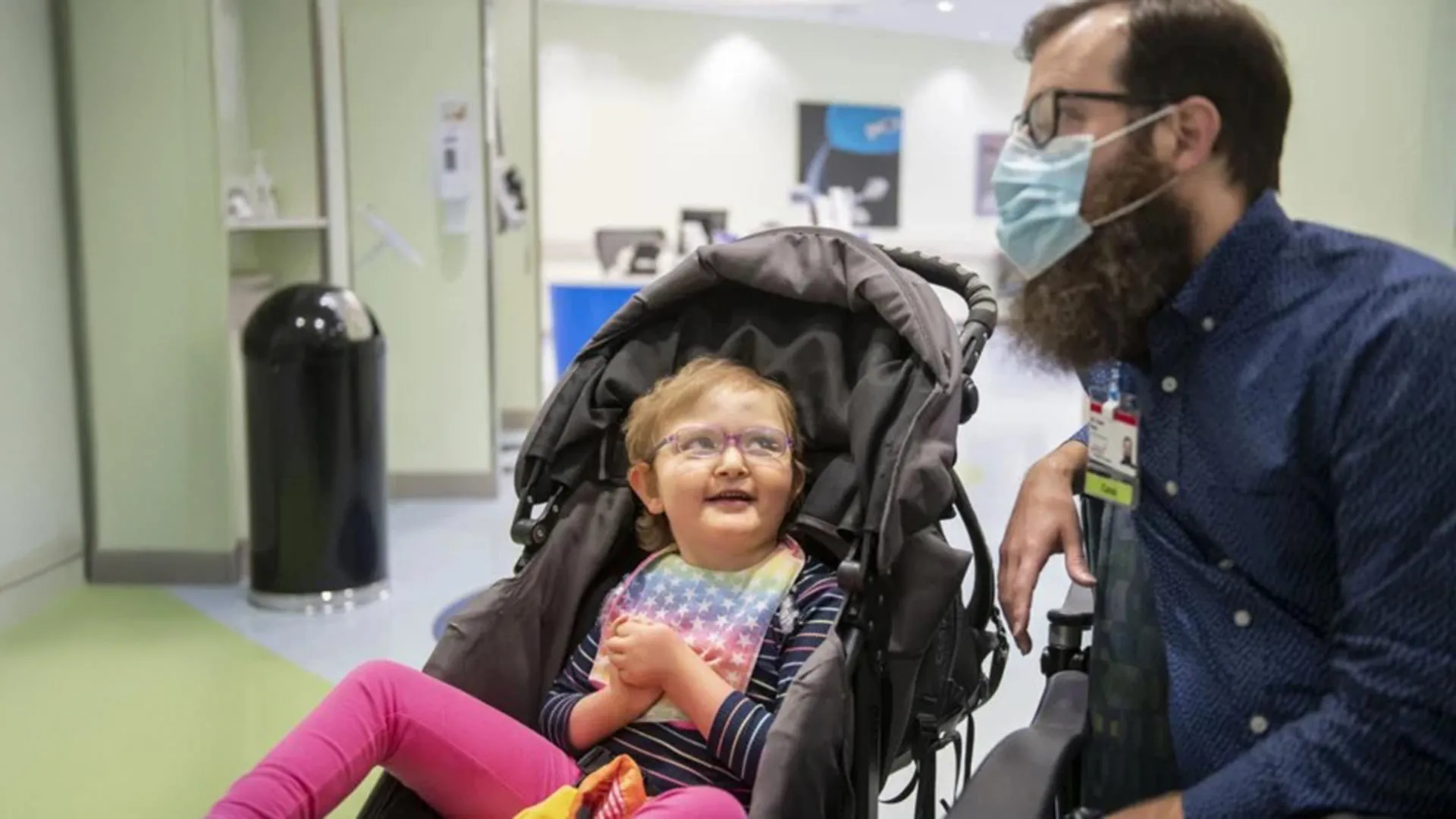
Marley Berthoud of Mattawan, Michigan, holds the distinction of being the first patient officially diagnosed with Bachmann-Bupp syndrome, thanks to the diagnostic efforts of Dr. Caleb Bupp at Corewell Health. Her case, and the subsequent identification of other patients, highlighted the urgent need for research and treatment options for this previously unknown disorder.
While detailed clinical trial data is still limited, early reports suggest that DFMO treatment has led to improvements in several key symptoms in treated patients. These improvements include increased muscle tone, enhanced cognitive function, and, in some cases, partial hair regrowth. However, researchers emphasize that these are preliminary findings and require further investigation through larger, controlled clinical trials.
The path to wider access to DFMO for BABS patients is not without obstacles. Regulatory hurdles, including the need for expanded access protocols and potential clinical trials, are slowing down the process. Logistical challenges, such as ensuring a consistent supply of the drug and coordinating treatment across different medical centers, also need to be addressed. Every Cure is actively working to overcome these barriers, leveraging its expertise in drug repurposing and regulatory affairs.
Challenges and Future Directions
One of the primary challenges in studying and treating BABS is its extreme rarity. With only 20 diagnosed cases worldwide, recruiting enough patients for robust clinical trials is a significant hurdle. Researchers are exploring international collaborations and patient registries to overcome this limitation. The establishment of a global BABS registry would facilitate data sharing, accelerate research, and improve patient care.
Another challenge lies in understanding the long-term effects of DFMO treatment in BABS patients. While the drug has a relatively well-established safety profile, its long-term impact on neurological development and overall health remains unknown. Ongoing monitoring and follow-up studies are essential to assess the benefits and risks of prolonged DFMO therapy.
Looking ahead, researchers are investigating potential combination therapies that could enhance the effectiveness of DFMO. These combinations may involve other drugs that target different aspects of the underlying genetic malfunction or that address secondary symptoms of BABS. The goal is to develop a comprehensive treatment strategy that maximizes the potential for improving the lives of children affected by this devastating disorder.
Key Takeaways
- DFMO, a drug originally used for sleeping sickness, shows promise in treating the ultra-rare Bachmann-Bupp syndrome (BABS).
- The drug works by inhibiting the ODC protein, addressing the underlying genetic cause of BABS.
- Early patient treatments have shown encouraging results, but larger clinical trials are needed.
- Regulatory and logistical challenges are slowing down broader access to DFMO for BABS patients.
- Collaboration between Corewell Health, Michigan State University, and Every Cure is crucial for advancing research and treatment development.
The FDA continues to review data and assess the potential for expanded access to DFMO for BABS patients. Further updates on clinical trial progress and regulatory decisions are expected in the coming months. For families affected by BABS, ongoing support and information resources are available through patient advocacy groups and medical centers specializing in rare genetic disorders. The story of DFMO and BABS underscores the potential of drug repurposing to address unmet medical needs and offers a beacon of hope for patients and families facing the challenges of ultra-rare diseases.
Do you have experience with rare genetic disorders or insights into drug repurposing? Share your thoughts and questions in the comments below. Please also share this article with your network to raise awareness of Bachmann-Bupp syndrome and the ongoing efforts to find effective treatments.