
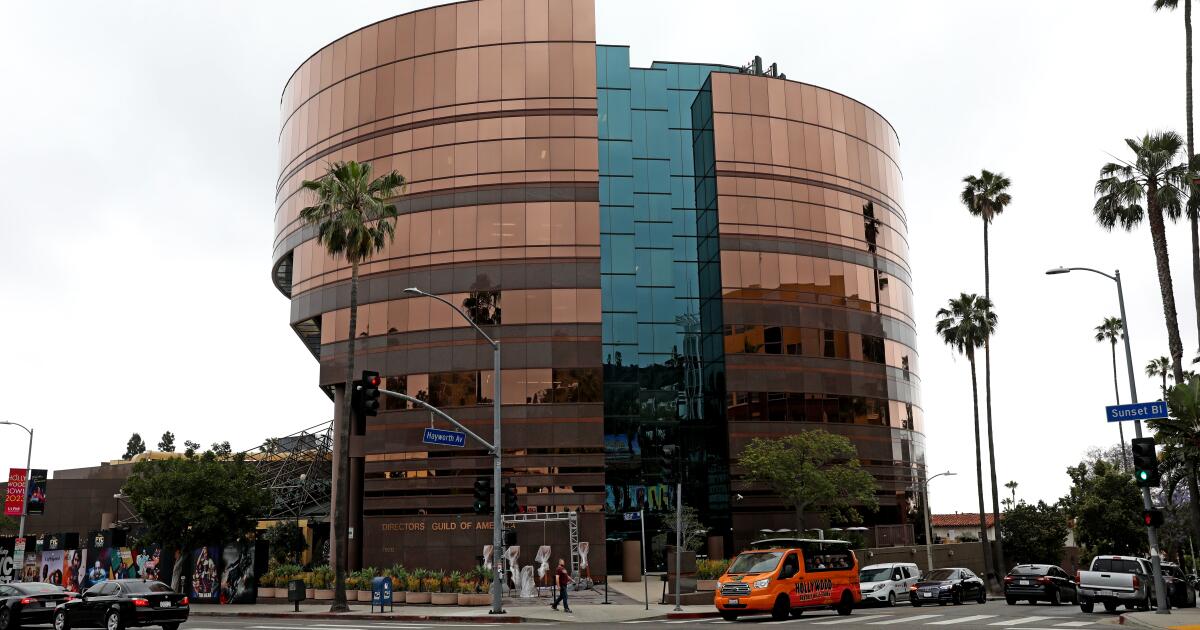
The Directors Guild of America (DGA) national board officially reached a tentative agreement with the Alliance of Motion Picture and Television Producers (AMPTP) in June 2023, securing a new three-year collective bargaining contract for its members. The board voted unanimously to recommend that the union’s membership ratify the deal, which includes significant increases in wage minimums, expanded residuals for streaming content, and new protections regarding the use of artificial intelligence in the creative process.
As the Editor of the Entertainment section here at World Today Journal, I have monitored these negotiations closely. This agreement, which covers more than 19,000 members, represents a vital moment in the industry’s ongoing labor landscape, particularly as it arrived during a period of heightened tensions between creative guilds and major media conglomerates. The DGA officially announced the deal on June 3, 2023, following approximately three weeks of intensive negotiations at the AMPTP headquarters in Sherman Oaks, California.
Key Provisions of the 2023 Agreement
The core of the agreement centers on economic gains for directors, assistant directors, and unit production managers. According to the official summary released by the DGA, the contract provides for a 5% wage increase in the first year, followed by 4% increases in both the second and third years. These figures were designed to address the rising cost of living and the inflationary pressures impacting industry professionals.
Perhaps the most significant aspect of the deal involves the regulation of new technology. The contract explicitly mandates that “generative AI cannot be a person” and therefore cannot replace the duties of a human director. This provision serves as a foundational precedent for other unions, such as the WGA and SAG-AFTRA, which were navigating their own contract disputes at the time. By establishing that AI is a tool rather than a replacement for creative labor, the DGA sought to preserve the integrity of the directorial role in an era of rapid technological change.
Addressing the Streaming Residuals Model
The shift toward streaming platforms has fundamentally altered how creative professionals are compensated. The 2023 contract introduced a new model for foreign streaming residuals, which the DGA stated would result in a substantial increase for members. Under the terms, directors will receive a 76% increase in foreign residual payments for high-budget subscription video-on-demand (SVOD) programs on major platforms.

According to reports from the New York Times, this deal was viewed by industry analysts as a strategic win for the studios, as it prevented a simultaneous shutdown of production across multiple guilds. By settling with the DGA—a union known for its methodical approach to bargaining—the studios secured a degree of labor stability, even as the Writers Guild of America remained on strike at the time of the agreement’s announcement.
What This Means for the Industry
The ratification of this agreement by the DGA membership, which was confirmed shortly after the board’s recommendation, effectively locked in these terms through June 30, 2026. For the average viewer, the impact of this deal was the stabilization of film and television production schedules during a period of extreme industry volatility. While the WGA strike continued for several months following this agreement, the DGA’s ability to secure protections for its members provided a roadmap for how individual unions could address the economic realities of the streaming era.

The DGA has maintained that this contract was the “most comprehensive” in its history, citing the combination of wage growth, health and pension fund contributions, and the proactive stance on emerging technology. For those interested in the technical specifics of the deal, the union provides a detailed breakdown of the current Basic Agreement on their official website, which serves as the primary resource for members and industry observers.
Next Steps for Labor Relations
With the current contract active until mid-2026, the focus for the DGA has shifted toward enforcement and the ongoing monitoring of technological integration. The guild continues to hold regular briefings for its members to ensure that studios remain in compliance with the updated residual structures and the established limitations on artificial intelligence.
The industry now looks toward the next cycle of negotiations, where the precedents set in 2023 will likely serve as the baseline for future discussions. As we move closer to the 2026 expiration date, labor experts expect that the conversation will evolve further to address the long-term impact of AI on post-production and the continued consolidation of media assets. I encourage our readers to share their thoughts in the comments below on how these labor shifts have influenced the content you enjoy on your favorite streaming platforms.