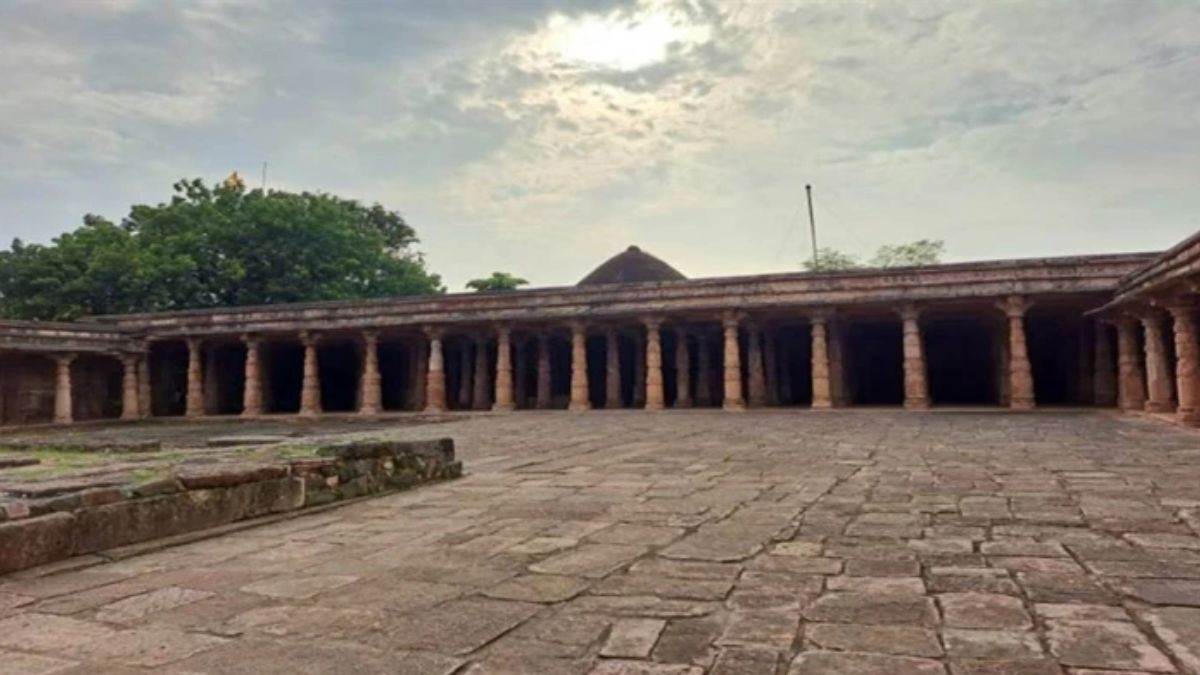
The legal battle over the religious identity of the historic Bhojshala in Dhar, Madhya Pradesh, has reached a critical juncture. Regular hearings regarding the site’s origins and ownership began on Monday, April 6, 2026, before the Indore Bench of the Madhya Pradesh High Court [1]. The proceedings center on whether the structure was originally a temple or a mosque, with the court now examining scientific evidence to resolve the long-standing dispute.
At the heart of the current legal arguments is the claim by the Hindu side, represented by petitioners, that the Bhojshala is a temple dedicated to Goddess Saraswati, constructed by King Bhoj [3]. Legal counsel for the petitioners have argued that the history of the site as a temple predates its use as a mosque by several hundred years, asserting that the structure has existed since the 11th century [3].
The outcome of these hearings is expected to rely heavily on a scientific survey conducted by the Archaeological Survey of India (ASI). In 2024, a team of ASI experts carried out a detailed 98-day scientific survey of the Bhojshala complex under court orders, utilizing modern technology to uncover the architectural and archaeological layers of the site [2]. This report is now viewed by legal experts as the decisive basis for the court’s final determination [1].
The Role of the ASI Survey in the Legal Dispute
The 98-day survey conducted by the ASI in 2024 was designed to provide an empirical foundation for the claims made by both parties. By employing modern scientific techniques, the ASI team sought to identify structural evidence that could indicate the original purpose of the building [2]. The Hindu petitioners maintain that this survey has brought to light numerous archaeological proofs linking the site to a temple [3].
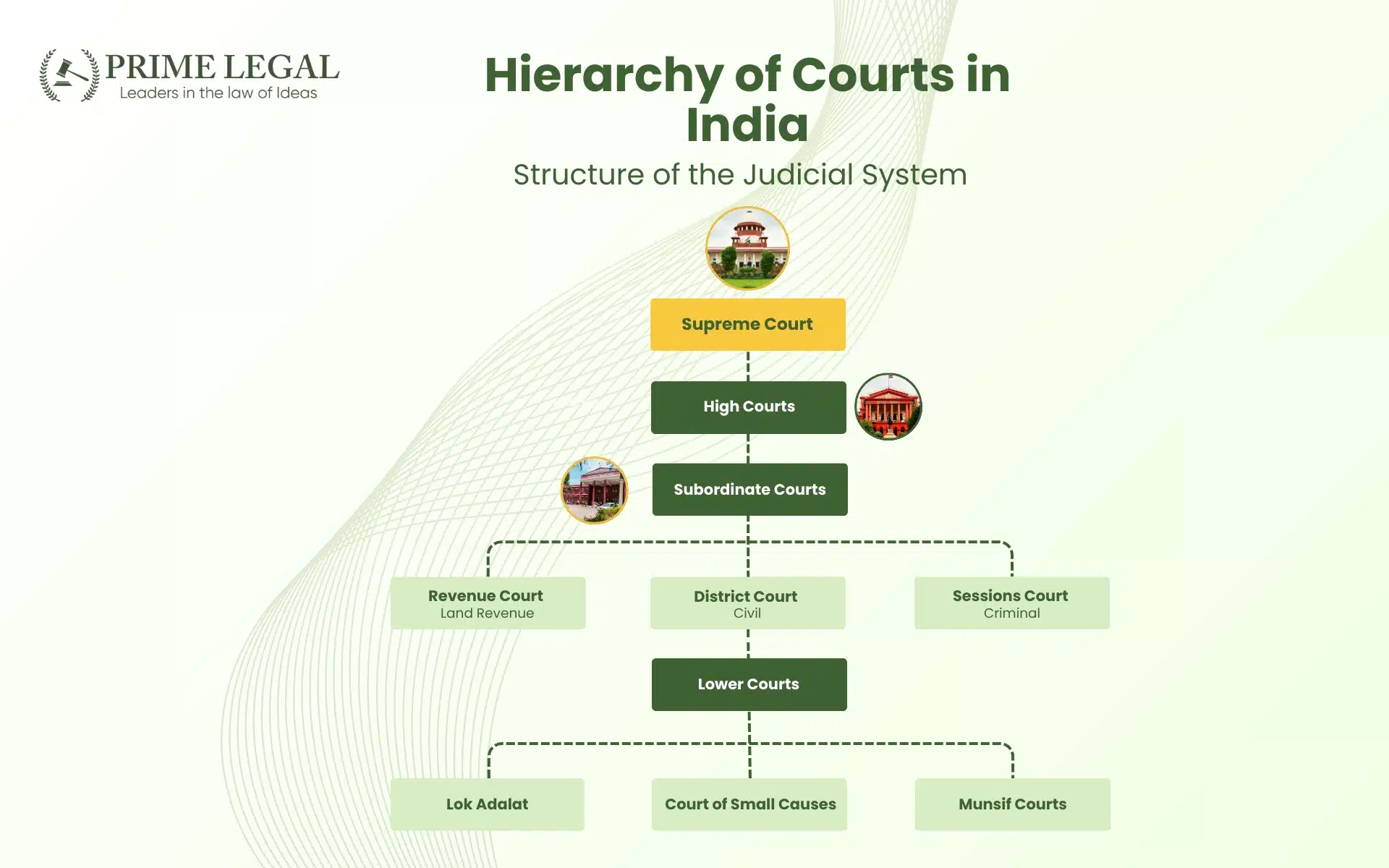
During the hearings that commenced on April 6, both sides presented their arguments and detailed their interpretations of the ASI report and various historical claims [3]. The court is tasked with weighing these historical narratives against the physical evidence documented in the ASI’s findings to determine the religious nature of the complex.
Historical Claims and the 11th Century Connection
The petitioners have explicitly linked the site to the reign of King Bhoj, asserting that the structure was originally a temple for Goddess Saraswati [3]. By claiming the site’s existence dates back to the 11th century, the legal team for the Hindu side aims to establish that the temple’s presence significantly predates the establishment of the mosque at the same location [3].
What Which means for the Bhojshala Conflict
The transition to “regular hearings” signifies that the case has moved past preliminary motions and is now in the stage of detailed evidence examination. Since the ASI report is considered the “decisive basis” for the case, the legal arguments are now shifting from general historical claims to specific archaeological data [1].
The stakeholders involved—including the Hindu petitioners and the parties defending the mosque’s status—are now relying on the Indore Bench of the Madhya Pradesh High Court to synthesize the scientific data from the 2024 survey with the historical records provided [3].
| Detail | Information |
|---|---|
| Court Venue | Indore Bench, Madhya Pradesh High Court |
| Regular Hearing Start Date | Monday, April 6, 2026 |
| Key Evidence | ASI Survey Report (2024) |
| Survey Duration | 98 Days |
| Primary Claim (Hindu Side) | Temple of Goddess Saraswati built by King Bhoj (11th Century) |
The proceedings continue as the court evaluates the archaeological evidence and the competing historical claims. Further updates will depend on the court’s analysis of the ASI report and the subsequent arguments presented by the legal teams.
We invite our readers to share their thoughts on the intersection of archaeology and law in the comments section below.