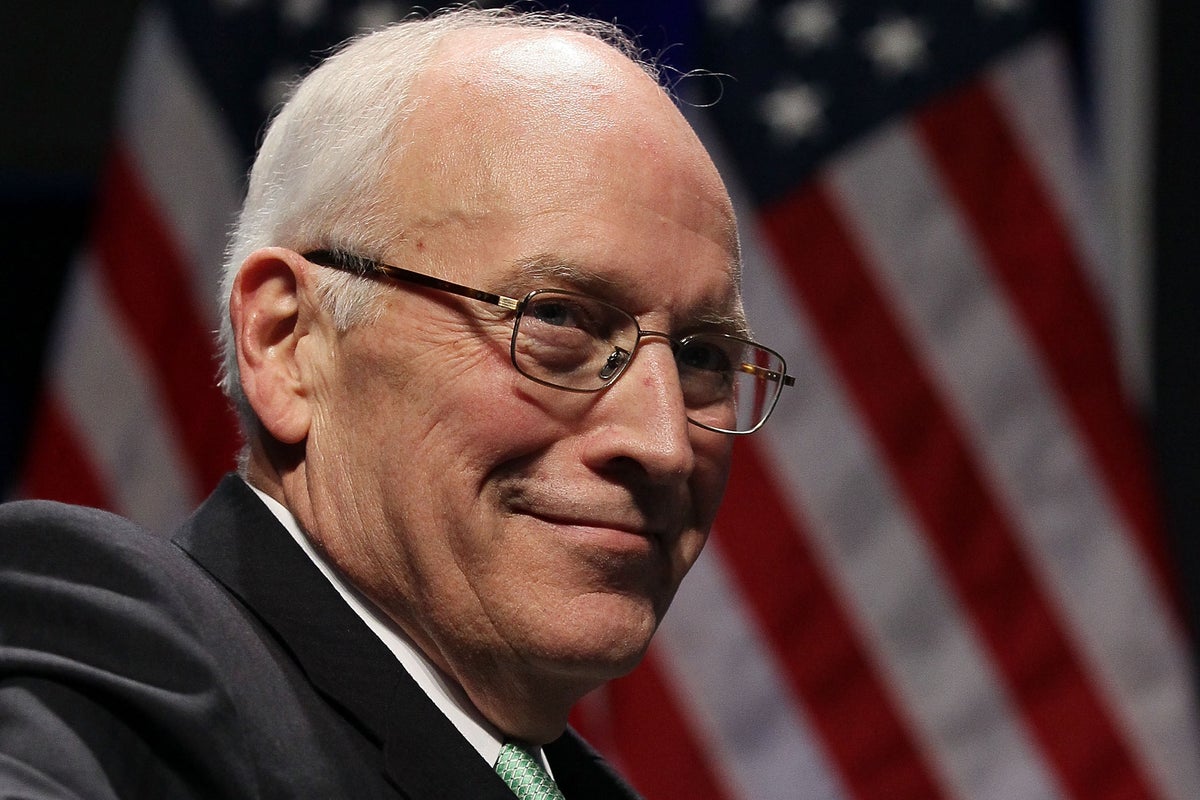
Dick Cheney, Architect of Post-9/11 Policy, Dies at 81
Dick Cheney, the influential and ofen controversial vice president under George W.Bush, has died at the age of 81. His passing marks the end of an era defined by the “War on Terror” and a reshaping of American foreign policy. cheney’s decades-long career in Washington was characterized by a pragmatic, often hawkish approach to national security, leaving an indelible mark on the nation’s trajectory.
A Career Forged in Washington
Cheney’s path to the vice presidency was anything but conventional. He began his career as a staff assistant to Congressman Donald Rumsfeld in the late 1960s,steadily climbing the ranks of Republican politics. He served as White House Chief of Staff under President Gerald Ford during a turbulent period, gaining valuable experience in crisis management.
Later, he held the position of Secretary of Defense under President george H.W. Bush, overseeing the first Gulf War.This experience solidified his reputation as a skilled strategist and a staunch advocate for a strong military.
The Bush Years and the war on Terror
Though, it was his role as Vice President from 2001 to 2009 that truly defined his legacy. Following the September 11th attacks, Cheney became a central figure in shaping the Bush administration’s response.You likely remember his unwavering advocacy for a proactive foreign policy, arguing for pre-emptive military action to protect American interests.
* He was a key architect of the invasion of Afghanistan, aimed at dismantling al-Qaeda and removing the Taliban regime.
* Perhaps most controversially, he was a leading proponent of the 2003 invasion of Iraq, based on the now-disputed claim that Saddam Hussein possessed weapons of mass destruction.
This decision, and the subsequent occupation, became a defining and deeply divisive issue of the era.
A Polarizing Figure
Cheney’s strong convictions and willingness to challenge conventional wisdom made him a powerful force within the administration. He actively engaged in public debates, defending the administration’s policies and often taking a more assertive tone than other officials.This approach, while admired by some, also fueled criticism and accusations of overreach.
Consequently, his support for the Iraq War contributed to his becoming one of the most polarizing vice presidents in American history.His approval ratings plummeted, reaching just 31% by the end of his term, according to the Pew Research Center.Even in 2014, he famously stated he “would do it again in a minute” regarding the Iraq invasion, demonstrating his unwavering belief in the decision.
Family and later years
Cheney is survived by his wife, Lynne Cheney, who served as Second Lady during his time in office, and his daughters, Liz and Mary Cheney. Both daughters followed in their father’s footsteps, entering the political arena as members of the Republican Party. Interestingly, liz Cheney notably campaigned for former Vice President Kamala Harris during the 2024 presidential election, signaling a meaningful divergence from conventional Republican politics.
Despite retreating from public life in his later years, cheney remained a vocal observer of American politics. In 2022, he appeared in a political ad supporting his daughter Liz, delivering a scathing indictment of Donald Trump. He declared Trump a “coward” and a “threat to our republic,” demonstrating his willingness to challenge figures within his own party. He also reportedly planned to vote for Harris over Trump in the 2024 election, further illustrating his evolving political views.
A Legacy Examined
Cheney’s life and career were the subject of the 2018 biopic Vice, starring Christian Bale.The film, a black comedy with political satire, offered a critical examination of his influence and decision-making. While earning critical acclaim for its performances, it was a box office disappointment, grossing $76 million worldwide against a $60 million production budget.
Dick Cheney’s legacy is complex and multifaceted. He was a dedicated public servant, a shrewd political strategist, and a staunch defender of American power. However, he was also a controversial figure whose decisions continue to be debated and scrutinized.As we reflect on his life, it’s clear that his impact
Related reading