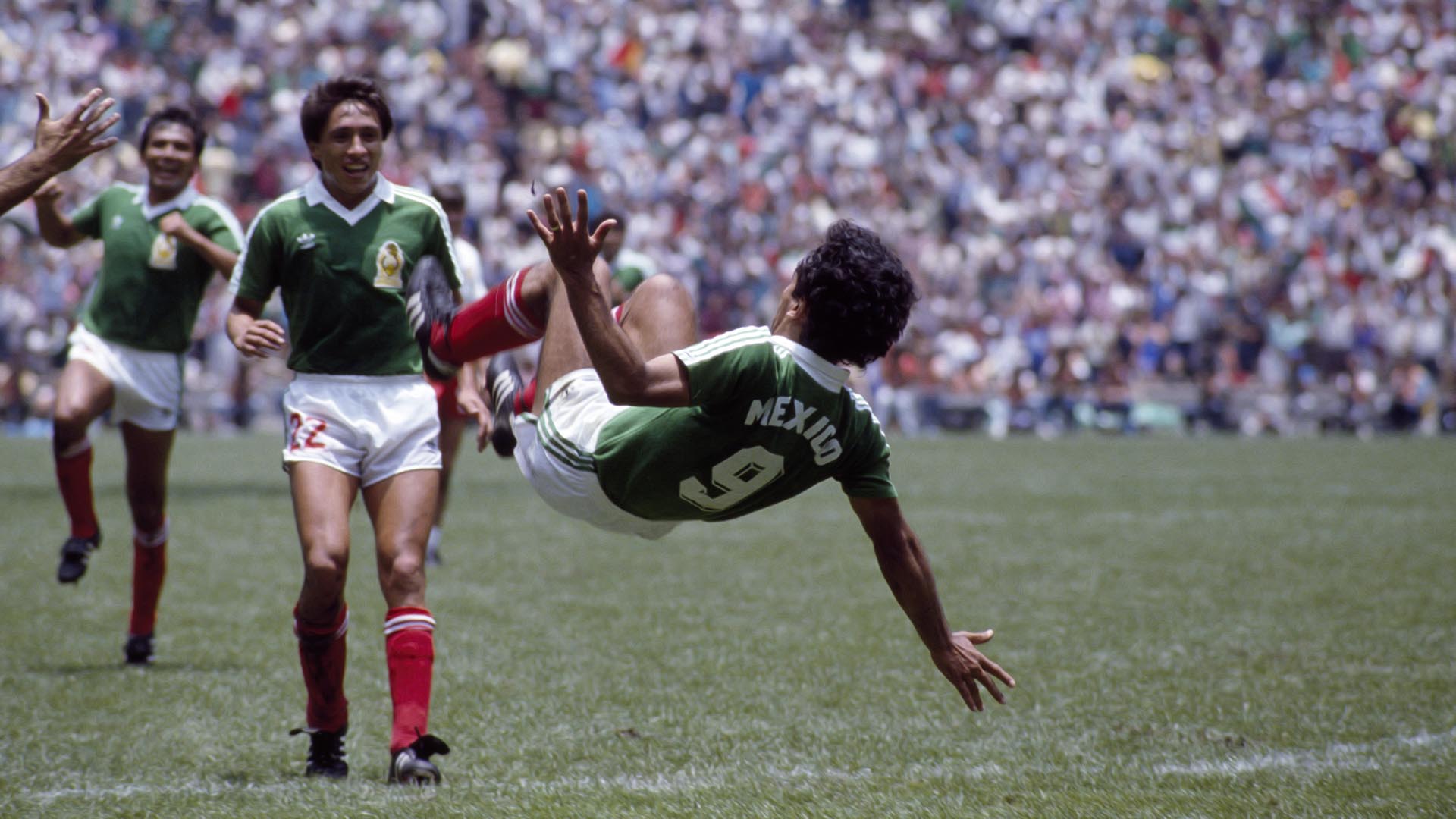
For Diego Luna, the intersection of cinema and sports is more than just a creative choice; We see a profound exploration of identity. As the acclaimed Mexican actor and filmmaker prepares for the release of his latest project, La Máquina, and reflects on the cultural gravity of the 1986 FIFA World Cup, he reminds us that some events in history do more than just record scores—they define a generation. In a recent dialogue regarding his connection to the sport, Luna highlighted how the 1986 tournament in Mexico remains a poignant touchstone for his country, a sentiment that resonates deeply as fans look toward the upcoming 2026 FIFA World Cup, which will be co-hosted by Mexico, the United States, and Canada.
The 1986 World Cup was a watershed moment for Mexico, not only because it was the second time the nation hosted the tournament, but because it served as a backdrop for one of the most iconic performances in the history of the sport: Diego Maradona’s legendary “Hand of God” and the “Goal of the Century” against England. For Luna, who was a child at the time, these memories are inextricably linked to the fabric of his upbringing. His reflections on this era underscore the broader theme of how large-scale international events shape national pride and collective memory, a topic he frequently explores through his production company, La Corriente del Golfo.
The Cultural Legacy of Mexico 1986
When discussing the significance of the 1986 tournament, Luna often points to the resilience of the Mexican spirit. The country had faced a devastating earthquake in September 1985, just months before the tournament kicked off in May 1986. Hosting the World Cup was, for many, an act of recovery and a testament to the nation’s capacity to stand tall on the global stage. According to official FIFA historical records, the tournament saw Argentina emerge as champions, solidifying the event’s place in global football lore while cementing Mexico’s reputation as a world-class host for major athletic competitions.
This historical context is vital to understanding why Luna views the sport as a narrative tool. In his work, he often seeks to portray the nuance of the Mexican experience—moving beyond stereotypes to showcase the warmth, complexity, and grit of his home country. By revisiting these formative years, he bridges the gap between the nostalgia of the past and the expectations of the future as Mexico prepares to welcome the world once again in 2026.
La Máquina and the Evolution of Sports Drama
Luna’s latest foray into the world of sports, the series La Máquina, marks a sophisticated turn in how he approaches the genre. Rather than focusing solely on the mechanics of the game, the project delves into the psyche of an aging boxer and his manager, exploring the dark corners of fame, the pressure of legacy, and the vulnerability that exists behind the public persona. It is a stark contrast to the celebratory tone of his childhood World Cup memories, yet it shares a common thread: the human experience under the bright, often unforgiving lights of professional athletics.

The series, which premiered on Hulu and Disney+ in October 2024, has been praised for its cinematic quality and its refusal to rely on traditional sports tropes. By reuniting with his longtime friend and collaborator Gael García Bernal, Luna continues to push the boundaries of what Latin American storytelling can achieve on a global platform. Their production house has become a hub for narratives that challenge the status quo, proving that stories rooted in regional history can have universal appeal.
Reflecting on the 2026 Horizon
As the international community prepares for the 2026 World Cup, Luna’s perspective offers a grounded look at what this means for the host nations. The tournament will be the first to feature 48 teams, a significant expansion from the 24-team format used in 1986. This scale brings with it logistical complexities and a massive spotlight on the infrastructure and readiness of the three host countries. For Luna, the focus remains on the people—the fans who will travel thousands of miles and the locals who will define the atmosphere of the matches.
The United States, having hosted the tournament in 1994, is preparing for a massive influx of visitors across 16 host cities. As reported by official FIFA tournament updates, the collaboration between the three nations is unprecedented in the history of the sport. The anticipation is high, not just for the football, but for the cultural exchange that such a global gathering facilitates.
Key Takeaways on the Intersection of Sport and Culture
- Historical Impact: The 1986 World Cup in Mexico remains a benchmark for national unity and global sports entertainment.
- Narrative Focus: Through La Máquina, Diego Luna explores the psychological toll of professional sports, moving away from the “hero” narrative.
- Future Prospects: The 2026 World Cup represents a new era of cooperation between Mexico, the U.S., and Canada, with a significantly expanded field of competitors.
- Collaborative Vision: Luna and Gael García Bernal continue to leverage their creative partnership to elevate Latin American perspectives in global media.
As we look forward to the next major developments in the lead-up to 2026, including the official announcement of the final match venue and the progression of qualifying rounds, figures like Diego Luna will continue to play a role in shaping how we perceive these moments. His work serves as a reminder that whether on the pitch or on the screen, the stories we tell about our past inform the way we build our future.

What are your most enduring memories of the World Cup? Does the history of the 1986 tournament change how you view the upcoming games in 2026? Share your thoughts in the comments below, and stay tuned to World Today Journal for further updates on the road to the next FIFA World Cup.