
In the rapidly evolving landscape of digital commerce, businesses are increasingly shifting their focus toward micro-influencer marketing strategies. As a business editor, I have observed that the era of relying solely on celebrity endorsements with massive, yet often disconnected, follower counts is waning. Instead, brands are finding that the most effective way to build genuine consumer trust is through individuals who maintain smaller, highly engaged, and niche-specific communities.
The primary driver behind this shift is the concept of engagement over reach. While a macro-influencer may boast millions of followers, a micro-influencer—typically defined as having a following between 10,000 and 100,000—often captures a level of attention and loyalty that is significantly more valuable for conversion. According to industry analysis, this dynamic is fundamentally altering how organizations allocate their marketing budgets and define their performance metrics in the digital age. Harvard Business Review has noted that as platforms evolve, the ability to foster authentic connections within specific communities has become a critical competency for modern enterprises.
The Strategic Value of Niche Engagement
Why are micro-influencers becoming the cornerstone of modern marketing strategies? The answer lies in the psychological proximity between the creator and the audience. Unlike traditional advertising, which is often perceived as intrusive, content shared by a micro-influencer is frequently viewed as a peer-to-peer recommendation. This is particularly effective in sectors such as sustainable fashion, specialized software, and artisanal goods, where consumer research is deep and decision-making is heavily influenced by community sentiment.
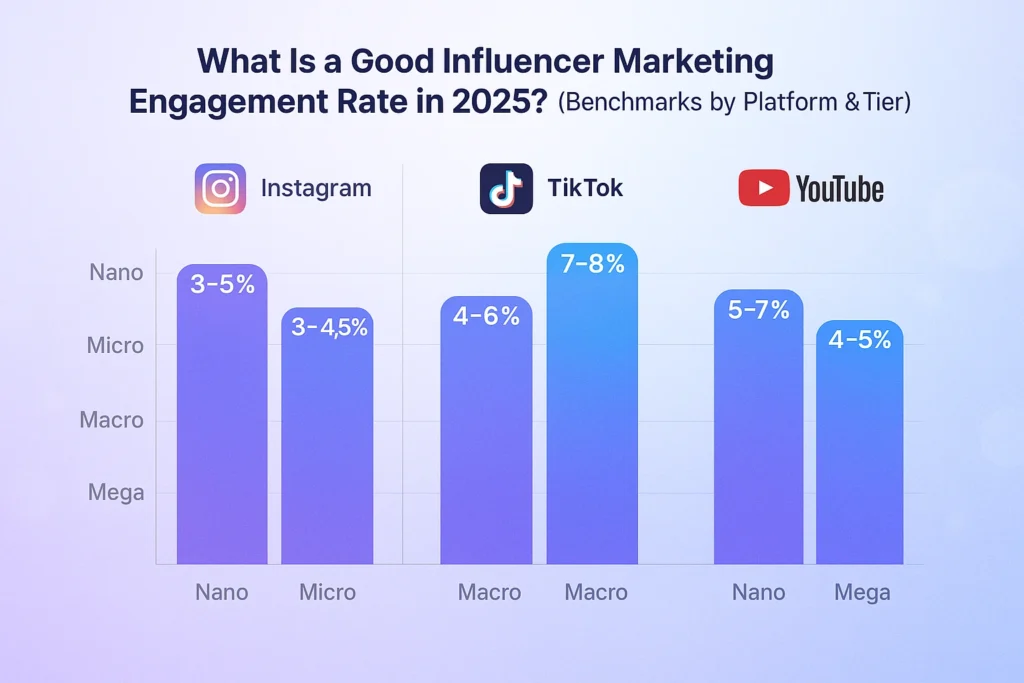
From a data-driven perspective, engagement rates—measured by likes, comments, and shares relative to total follower count—tend to be higher for micro-influencers than for their celebrity counterparts. This is not merely a matter of popularity but a result of consistent, thematic content that resonates with a specific target demographic. For organizations, this means that every dollar spent on a partnership is more likely to reach an audience that has a pre-existing interest in their product category, thereby increasing the return on investment (ROI) and reducing wasted ad spend.
Building Trust Through Authenticity
Trust is the most valuable currency in the current economic climate. In an environment saturated with automated advertisements and sponsored content, the authentic voice of a micro-influencer serves as a filter. When a creator with a focused community advocates for a product, they are leveraging their personal brand equity. If they deviate from their established values, they risk losing the very audience that gives them influence, which creates a natural incentive for transparency and honesty in their partnerships.
The Federal Trade Commission (FTC) in the United States has long provided guidance on the necessity of disclosing these relationships to ensure that consumers are aware when an endorsement is paid. Adherence to these guidelines is not just a legal requirement but a fundamental aspect of maintaining the integrity of the influencer-marketing ecosystem. The FTC’s official guidance emphasizes that clear and conspicuous disclosure is essential for protecting consumers from deceptive practices.
Integrating Micro-Influencers into Your Marketing Mix
Integrating micro-influencers into your broader marketing strategy requires a methodical approach. It is not sufficient to simply identify creators with the right metrics. businesses must ensure that the creator’s values align with the corporate identity. A successful campaign often involves long-term partnerships rather than one-off posts, allowing the influencer to weave the brand into their authentic content stream over time.
- Audience Alignment: Analyze whether the influencer’s audience demographics match your target customer persona.
- Engagement Quality: Look beyond the follower count. Review the comments section to see if the interaction is substantive and relevant to the content.
- Creative Freedom: Provide the influencer with the necessary brand guidelines, but allow them the creative freedom to present your product in their unique, authentic voice.
- Compliance and Ethics: Ensure that all sponsored posts include clear disclosures in accordance with regulatory requirements.
As we look toward the remainder of 2026, the demand for transparency and authentic connection is only expected to grow. Companies that embrace these principles will likely see sustained growth in customer loyalty and brand advocacy. The shift toward micro-influencers is not a temporary trend but a strategic response to the changing nature of consumer behavior in an interconnected world.
Looking Ahead: The Future of Digital Influence
The regulatory environment surrounding influencer marketing continues to evolve as global authorities monitor digital advertising practices. Businesses should remain vigilant regarding updates from national consumer protection agencies to ensure that their influencer marketing programs remain compliant with emerging standards regarding data privacy, and transparency. Keeping abreast of these developments is essential for protecting both the brand’s reputation and its long-term market position.

We encourage our readers to share their experiences with influencer partnerships in the comments section below. How has your organization navigated the shift toward niche marketing, and what metrics have proven most useful in evaluating your success? We look forward to continuing this conversation in our next business analysis update.