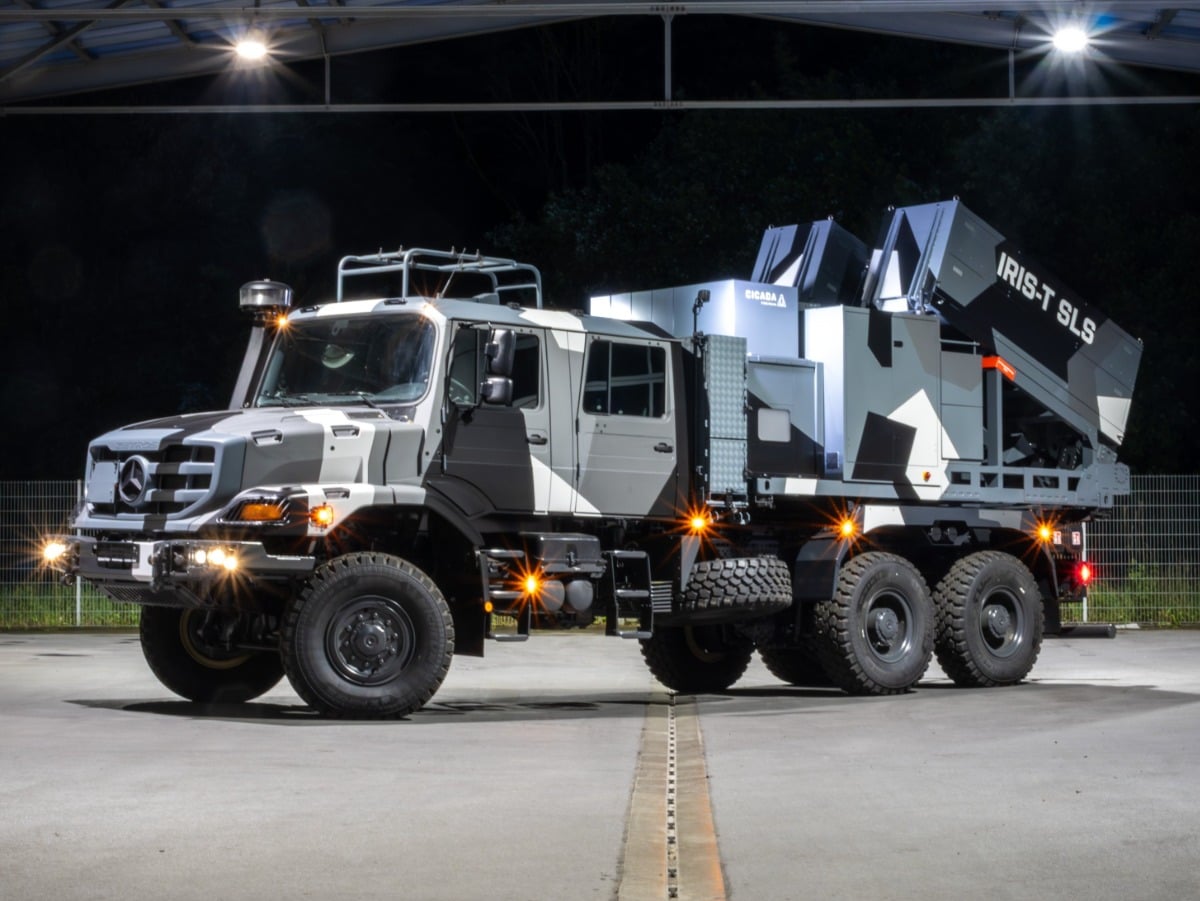
Diehl Defence has introduced the IRIS-T SLS MK 4, a new-generation compact mobile air defense system, ahead of the ILA Berlin Air Show. The German manufacturer announced the updated platform on June 9, positioning it as an evolution of its existing ground-based air defense technology. The system is designed for short-range protection against aerial threats, including drones, cruise missiles, and combat aircraft, as the European defense industry prepares to showcase new hardware at the Berlin exhibition scheduled to run from June 10 to June 15.
The IRIS-T SLS MK 4 represents a continuation of Diehl’s specialized air defense portfolio, which has gained significant international attention due to its performance in the ongoing conflict in Ukraine. According to official statements from Diehl Defence, the MK 4 variant incorporates modernized subsystems to improve target acquisition and engagement speeds. The system maintains the compact, mobile footprint of its predecessors, allowing it to be deployed on various vehicle platforms to protect maneuvering ground forces or critical infrastructure.
Technical Evolution of the IRIS-T Platform
The IRIS-T (InfraRed Imaging System Tail/Thrust Vector-Controlled) family has evolved through several iterations since its inception as an air-to-air missile. The ground-based variants, categorized by range as SLS (Short Range) and SLM (Medium Range), have become central to Germany’s contribution to the European Sky Shield Initiative. Unlike previous versions, the MK 4 focuses on increased integration capabilities within broader network-centric warfare environments.
Diehl Defence engineers designed the MK 4 to address the proliferation of low-cost, high-volume aerial threats. By utilizing the IRIS-T interceptor missile, which features high maneuverability and an infrared seeker, the system provides a high probability of kill against agile targets. The company reports that the new generation includes upgraded software architectures that allow for faster data processing from local and remote sensors, a critical requirement for countering modern saturation attacks.
Integration within European Air Defense
The unveiling of the MK 4 coincides with a heightened focus on the European Sky Shield Initiative (ESSI), a project led by Germany aimed at integrating the air defense capabilities of multiple European nations. The initiative seeks to procure common systems to reduce costs and improve interoperability. According to the German Federal Ministry of Defence, standardization across member states is a primary objective for enhancing the continent’s collective security posture.
The IRIS-T SLS MK 4 is positioned to fill the short-range gap in this layered defense architecture. While long-range systems like the Patriot are designed for high-altitude threats, the IRIS-T SLS provides a mobile, flexible layer for defending tactical assets. The system’s portability ensures that it can be moved rapidly in response to shifting front lines or emerging intelligence, a feature prioritized by defense planners following observations of recent regional conflicts.
Market Context and Future Deployments
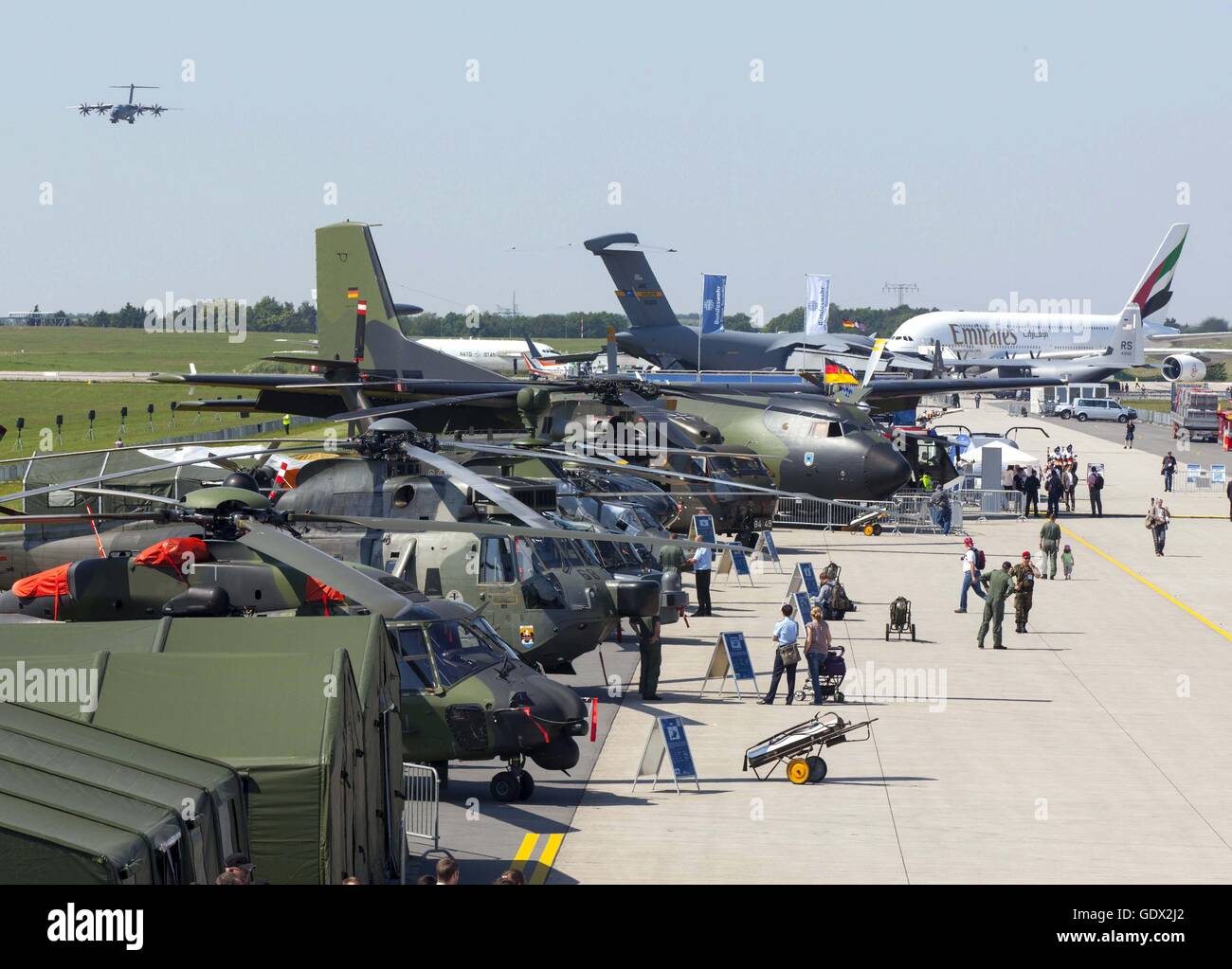
The ILA Berlin Air Show serves as a primary venue for Diehl to engage with international procurement delegations. Since the start of the full-scale invasion of Ukraine in 2022, demand for short- and medium-range air defense systems has surged across NATO members and partner nations. Data from the Stockholm International Peace Research Institute (SIPRI) indicates that European defense spending has seen its steepest increase since the end of the Cold War, with air defense systems being a top priority for capital investment.
Diehl has not yet disclosed specific contract values or launch customers for the MK 4, but the timing of the announcement suggests that the company is aiming to secure orders during the 2024–2025 procurement cycle. The company’s ability to ramp up production—a challenge faced by many European defense firms—will likely be a key topic of discussion for officials attending the Berlin event. Diehl recently reported efforts to expand its production capacity for IRIS-T missiles to meet both domestic requirements and international export obligations.
Operational Considerations for Modern Combat
The shift toward “compact” and “mobile” systems reflects a broader tactical trend: the move away from large, static batteries that are easily targeted by loitering munitions and long-range precision fires. The IRIS-T SLS MK 4 utilizes a modular design, which allows operators to integrate the launcher with various command-and-control nodes. This modularity is essential for maintaining operational security, as it allows the system to remain “silent” until the moment of engagement.
Maintenance and logistics remain significant factors for any military adopting the MK 4. Because the system shares commonalities with previous IRIS-T versions, existing training programs and supply chains may be leveraged, potentially lowering the barrier to entry for nations already using Diehl technology. The manufacturer emphasizes that the MK 4 is fully compliant with NATO standards, ensuring that it can communicate seamlessly with allied radar and early-warning networks.
As the ILA Berlin Air Show continues, stakeholders will look for further technical specifications regarding the MK 4’s maximum engagement range and its ability to counter specific categories of unmanned aerial systems (UAS). Observers expect the German government to provide updates on its own procurement plans for the system during the exhibition. Readers interested in the latest developments can monitor the official ILA Berlin portal for updates on industry briefings and government announcements throughout the week.
Related reading