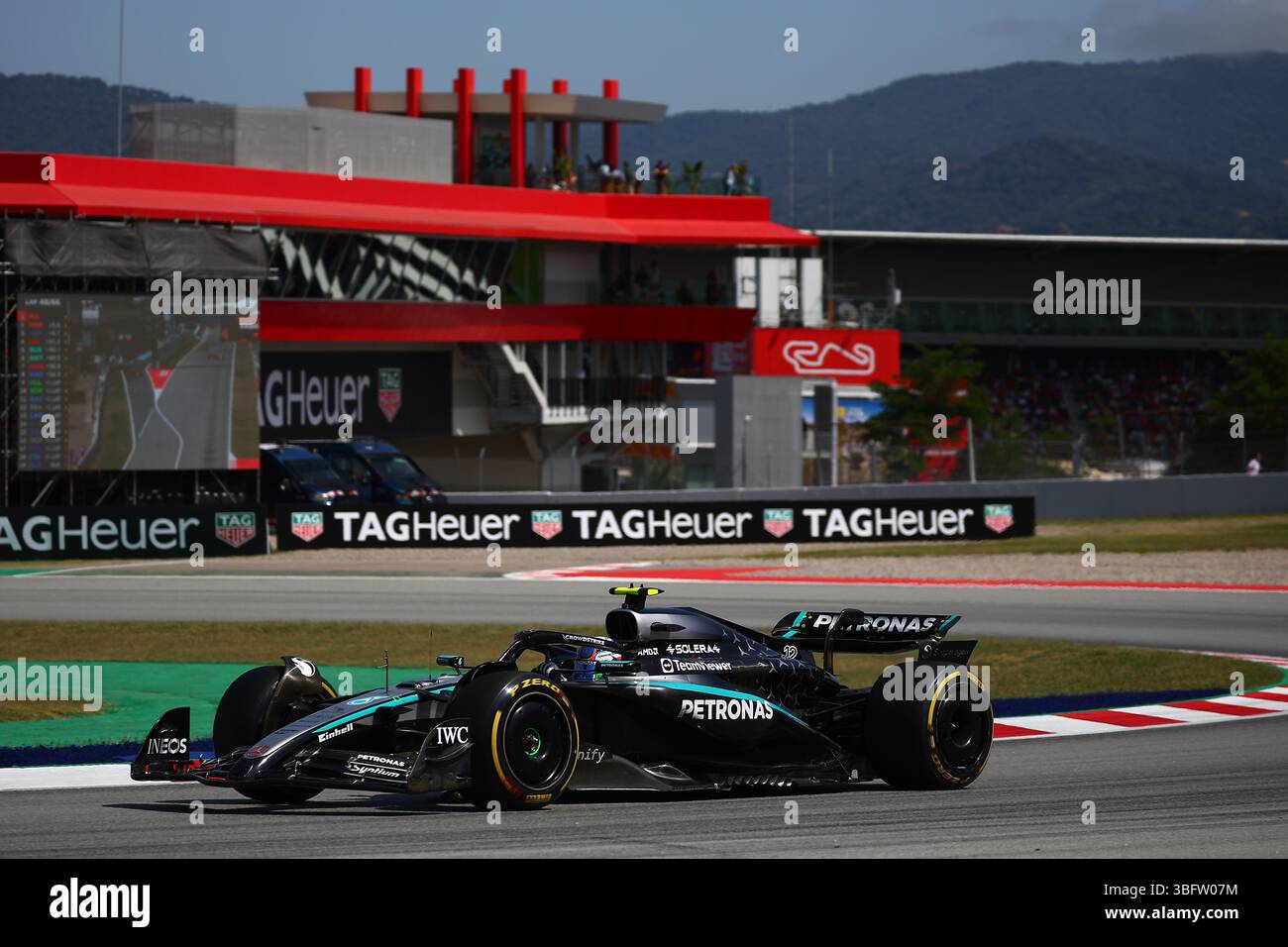
The 2026 Formula 1 season heads to the Circuit de Barcelona-Catalunya for the Spanish Grand Prix, a fixture that remains a critical test of aerodynamic efficiency and tire management on the FIA calendar. As the sport continues its current technical cycle, teams are focused on navigating the high-speed demands of the Montmeló track, with Mercedes driver Kimi Antonelli entering the weekend as a primary contender following a series of strong performances in the opening rounds of the championship. Official scheduling confirms the race weekend will follow the standard European format, with practice sessions beginning on Friday, June 19, and the main event scheduled for Sunday, June 21, 2026.
The Spanish Grand Prix has been a cornerstone of the Formula 1 schedule for decades, consistently serving as a barometer for a team’s development trajectory. According to the FIA official calendar, the 2026 race maintains its traditional June slot, providing a high-stakes environment for drivers to showcase their pace on a circuit characterized by its challenging Turn 3 and the technical final sector. While the 2026 season has seen shifting hierarchies among the top constructors, the performance data from early-season races indicates that Mercedes has regained significant ground, with Antonelli’s pace in both qualifying and race trim drawing attention from analysts across the paddock.
Understanding the Circuit de Barcelona-Catalunya
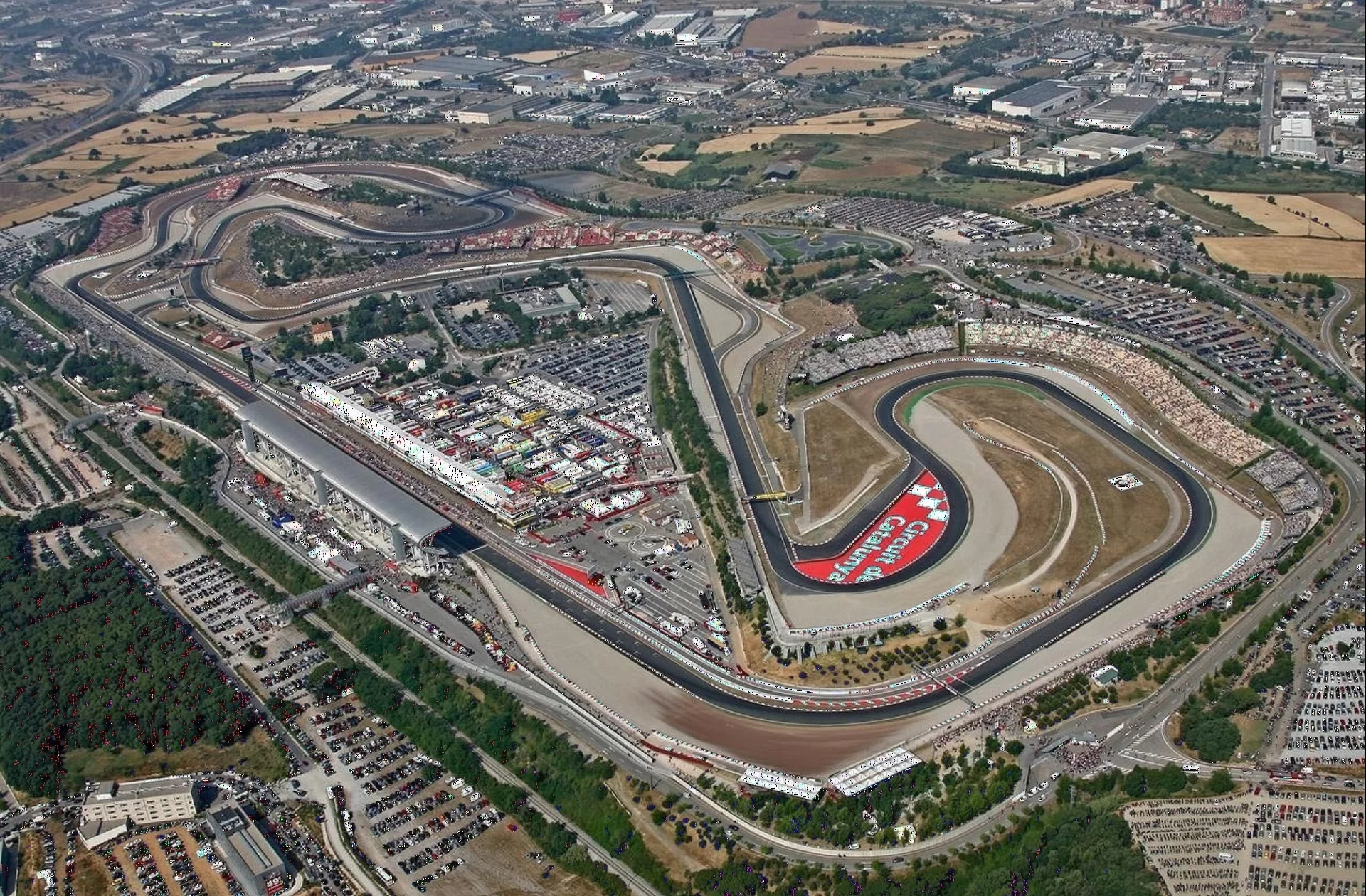
The Circuit de Barcelona-Catalunya is widely recognized by drivers and engineers for its demanding nature, which tests every aspect of a modern Formula 1 car. The track features a mix of high-speed corners, such as the sweeping Campsa, and heavy braking zones that require precise mechanical grip. Because of these characteristics, the circuit is often used for pre-season testing, meaning teams arrive with extensive telemetry and simulation data. According to Formula 1’s official technical analysis, the track’s abrasive surface significantly impacts tire degradation, making the strategic management of Pirelli compounds the deciding factor in race-day outcomes.
For spectators, the layout offers several prime viewing locations, particularly the grandstands overlooking the main straight and the stadium section. The track’s evolution over the years—including the removal of the final chicane in recent seasons—has been aimed at increasing overtaking opportunities into the first corner. Teams must balance high downforce requirements for the corners with the need for low drag on the long main straight, a compromise that often leads to varying setup philosophies across the grid.
Full Weekend Schedule
The 2026 Barcelona-Catalunya Grand Prix follows the standard three-day event structure. All times listed are in Central European Summer Time (CEST), the local time in Montmeló, Spain.

- Friday, June 19: Free Practice 1 (13:30 – 14:30) and Free Practice 2 (17:00 – 18:00).
- Saturday, June 20: Free Practice 3 (12:30 – 13:30) followed by Qualifying (16:00 – 17:00).
- Sunday, June 21: The Spanish Grand Prix race start time is set for 15:00.
Fans are encouraged to monitor the official Formula 1 website for any last-minute adjustments to the schedule due to weather or track conditions. The race distance is established at 66 laps, covering a total of 307.5 kilometers, and remains one of the most physically taxing races on the calendar due to the high-speed lateral forces exerted on the drivers.
How to Watch the Race
Global broadcasting rights for the 2026 season are distributed through various regional partners. In the United Kingdom, Sky Sports F1 remains the primary broadcaster for all sessions, while Channel 4 provides highlights for the race. In the United States, ESPN and ESPN+ hold the rights to live coverage of all practice, qualifying, and race sessions. For viewers in Portugal, Sport TV serves as the official broadcaster for Formula 1 events. International audiences without local broadcast coverage can access the F1 TV Pro subscription service, which provides live telemetry, driver onboard cameras, and comprehensive race analysis in select regions.
Performance Trends and Predictions
Heading into the mid-season point, the narrative surrounding the 2026 championship has been dominated by the resurgence of the Mercedes-AMG Petronas team. Kimi Antonelli, in his debut seasons, has shown consistent ability to manage tire life and execute high-pressure overtakes, metrics that are vital for success at the Spanish Grand Prix. While rival teams like Red Bull Racing and Ferrari have introduced significant aerodynamic upgrades, the current standings reflect a tight battle at the front of the field. According to reports from Reuters sports coverage, the championship gap between the top three teams remains within a margin of less than 30 points, ensuring that the development race remains as intense as the on-track competition.
The combination of high track temperatures and the specific downforce requirements of the Barcelona circuit often favors cars with a stable rear end. Analysts suggest that if the track remains dry, the race will likely devolve into a two-stop strategy, as the high-energy demands of the circuit prevent a one-stop approach from being viable for most of the grid. Teams that can effectively utilize the DRS zones on the main straight while maintaining speed through the technical middle sector will hold a distinct advantage during qualifying.
The next major checkpoint for the sport will be the post-race technical inspection and the subsequent data analysis provided by the FIA following the conclusion of the Grand Prix on Sunday evening. This data will be critical for teams as they prepare for the following rounds in the European leg of the season. Readers are invited to share their predictions for the podium in the comments section below and follow our live coverage throughout the race weekend for real-time updates.
Worth a look