The Debate Over Zero-Sugar Drinks and Cancer Risk: A Closer Look
For years, consumers have been told that switching from sugar-sweetened beverages to zero-sugar alternatives is a healthier choice. But a growing body of research, and the recent scrutiny from international health organizations, is challenging that assumption. Concerns are mounting about the potential link between artificial sweeteners commonly found in these drinks and an increased risk of cancer. While the science is complex and evolving, the debate is intensifying, prompting calls for more comprehensive studies and clearer guidance for consumers. The question isn’t simply about sugar versus artificial sweeteners, but about the long-term health consequences of altering our diets in ways we don’t fully understand.
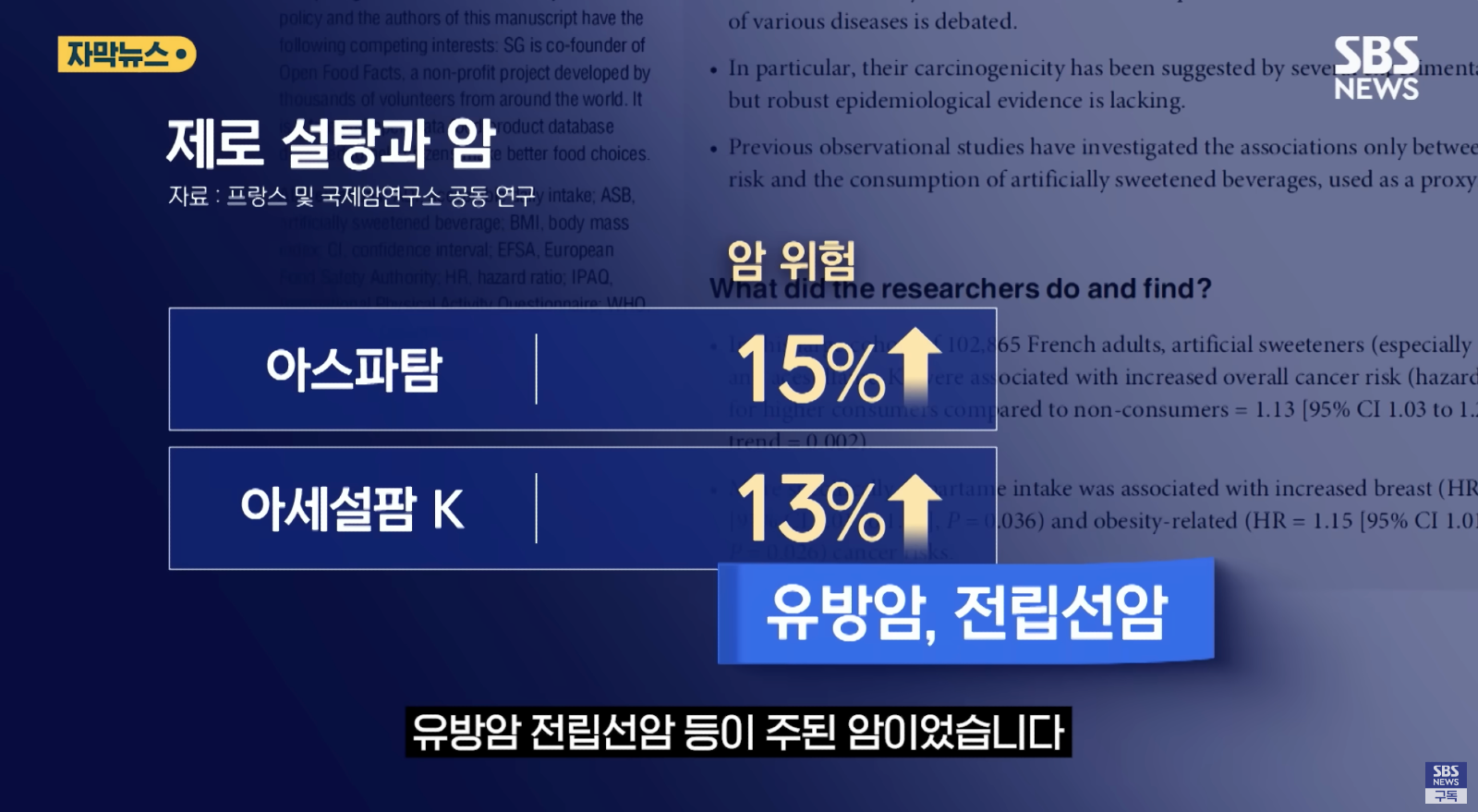
Recent studies have sparked controversy, particularly regarding the safety of aspartame, acesulfame K, and other artificial sweeteners. A large-scale French study, tracking over 100,000 adults for an average of 7.7 years, suggested a correlation between the consumption of artificially sweetened beverages and an increased risk of cancer. Specifically, the research indicated that consuming two or more zero-sugar drinks daily was associated with a roughly 13-15% higher risk of cancer overall. As reported by SBS News, the study focused on the impact of aspartame and acesulfame K, identifying breast and prostate cancers as being among those most frequently observed.
The French Cohort Study and its Findings
The French study, a prospective cohort study, is notable for its scale and methodology. Researchers followed a large group of individuals with no prior history of cancer, meticulously documenting their dietary habits, including the consumption of zero-sugar beverages. The 7.7-year follow-up period allowed researchers to observe the incidence of cancer within the cohort and correlate it with their dietary intake. The study, which involved collaboration from the International Agency for Research on Cancer (IARC), represents one of the first large-scale investigations into the long-term effects of artificial sweetener consumption. The findings suggest that even moderate consumption of these beverages may carry a small but measurable increase in cancer risk.
Although, the interpretation of these findings has been met with some skepticism. The SBS News report highlights a perceived discrepancy between the study’s findings and the IARC’s official statements. While the study itself indicated a 15% increased risk associated with aspartame and a 13% increase with acesulfame K, the IARC’s public pronouncements appeared to downplay these results, instead referencing older studies on liver cancer. This has led to accusations of “political judgment” aimed at minimizing the potential impact of the research, as the IARC seemingly avoided directly addressing the new data. The US National Cancer Institute, however, has incorporated the findings of the study into its documentation regarding the potential carcinogenic effects of aspartame and acesulfame K.
The Role of Aspartame and Other Artificial Sweeteners
Aspartame, one of the most widely used artificial sweeteners, has been the subject of scrutiny for decades. As the Joongang Ilbo reports, concerns about its safety date back to the 1970s, when studies suggested a link between saccharin and bladder cancer in laboratory rats. While those initial findings were later determined to be specific to rats and not applicable to humans due to physiological differences, the controversy surrounding artificial sweeteners persisted. Aspartame, along with acesulfame potassium and sucralose, quickly became popular alternatives, but questions about their long-term health effects have continued to surface.
The key difference between sugar and artificial sweeteners lies in how they interact with the body’s taste receptors. While sugar provides a clean, immediate sweetness, artificial sweeteners often have a lingering or slightly different taste profile. Aspartame and sucralose, for example, can leave a slightly sticky aftertaste, while acesulfame potassium may have a subtle bitter or metallic flavor. These subtle differences in taste may not be enough to deter consumers seeking to reduce their sugar intake, but they highlight the fact that artificial sweeteners are not simply a direct substitute for sugar.
Conflicting Assessments: WHO, FDA, and Scientific Debate
The World Health Organization (WHO) and the U.S. Food and Drug Administration (FDA) have offered differing assessments of the risks associated with aspartame. The WHO’s International Agency for Research on Cancer (IARC) recently classified aspartame as “possibly carcinogenic to humans” (Group 2B), a categorization that indicates limited evidence of cancer in humans or sufficient evidence in animals. However, this classification does *not* imply that aspartame is definitively known to cause cancer. It simply means that more research is needed.
The FDA, maintains that aspartame is safe for consumption at current approved levels. The agency has consistently reviewed the scientific evidence on aspartame and has reaffirmed its safety based on available data. This divergence in opinion underscores the complexity of assessing the risks associated with artificial sweeteners and the challenges of interpreting scientific studies. The FDA’s stance is based on decades of research, while the IARC’s classification reflects a more cautious approach, acknowledging the limitations of the current evidence base.
What Does This Mean for Consumers?
Given the ongoing debate and the conflicting assessments from health authorities, what should consumers do? Experts generally agree that completely eliminating zero-sugar beverages from your diet is unlikely to be necessary for most people. However, moderation is key. The French study suggests that the risk increases with higher consumption, so limiting intake to one or fewer zero-sugar drinks per day may be a prudent approach.
it’s significant to remember that zero-sugar drinks are not a “free pass” to unhealthy eating habits. They should not be seen as a substitute for a balanced diet and regular exercise. Focusing on whole, unprocessed foods, reducing overall sugar intake, and staying physically active are far more important for long-term health than simply switching from sugar-sweetened to zero-sugar beverages. The most sensible approach is to prioritize water as your primary source of hydration and to consume sugary drinks, both regular and artificially sweetened, in moderation.
Key Takeaways
- Recent research suggests a possible link between high consumption of zero-sugar drinks and an increased risk of cancer.
- The findings are based on a large-scale French cohort study tracking over 100,000 adults.
- Health organizations like the WHO and FDA have differing assessments of the risks associated with aspartame and other artificial sweeteners.
- Moderation is key: limiting intake of zero-sugar drinks and prioritizing a balanced diet and healthy lifestyle are crucial.
The scientific community continues to investigate the long-term health effects of artificial sweeteners. The IARC is expected to provide a more comprehensive assessment of aspartame and other sweeteners in the coming months. Consumers should stay informed about the latest research and consult with their healthcare providers for personalized advice. The next update from the IARC is scheduled for July 2024, and will likely provide further clarity on the potential risks associated with these widely consumed ingredients.
Do you have questions or concerns about artificial sweeteners? Share your thoughts in the comments below, and please share this article with anyone who might find it helpful.
Keep reading