
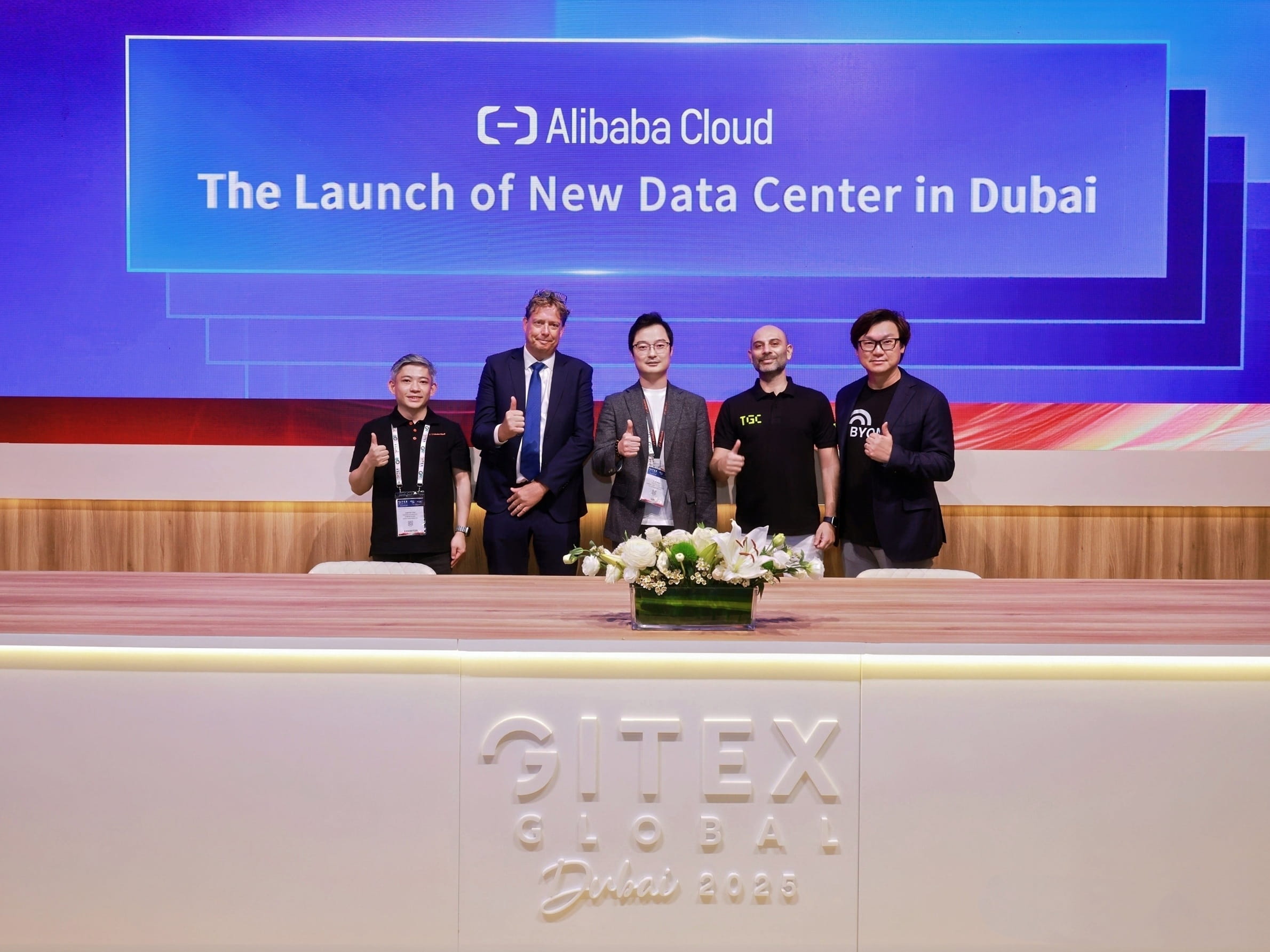
Alibaba and China Telecom have launched a recent AI data center in southern China, marking a significant milestone in the region’s push for technological autonomy. The facility is powered by 10,000 of Alibaba’s self-developed Zhenwu AI semiconductors, designed specifically for AI training and inferencing via CNBC.
This deployment represents the first large-scale commercial application of the Zhenwu chip line. By integrating 10,000 homegrown chips, the data center is capable of supporting massive AI models with parameters numbering in the hundreds of billions, signaling a major push toward self-reliance for China’s tech ecosystem via MSN.
The move comes as Chinese firms accelerate the development of domestic chip alternatives. This urgency is largely driven by efforts from the U.S. To restrict China’s access to critical semiconductor technology, including high-finish AI chips from providers like Nvidia via CNBC.
The Role of Zhenwu Semiconductors and T-Head
The hardware powering this new infrastructure originates from Alibaba’s T-head unit, the division responsible for the company’s chip design. The Zhenwu semiconductors are engineered to handle the intense computational demands of both training AI models from scratch and performing inferencing, which is the process of using a trained model to produce predictions or generate content.
By developing these chips internally, Alibaba is vertically integrating its technology stack. The company now designs the silicon, builds the data centers to house them and develops the AI models that run on the hardware. These services are then sold through Alibaba’s cloud computing division, which has been one of its fastest-growing business segments in recent quarters via CNBC.
Strategic Partnership with China Telecom
While Alibaba provided the proprietary semiconductor technology, the operational side of the facility is handled by China Telecom. According to official reports, China Telecom will own and operate the data center located in southern China via CNBC.
This partnership underscores a broader trend of collaboration between Chinese tech giants and state-linked telecommunications firms to build out the country’s homegrown AI infrastructure. The ability to support models with hundreds of billions of parameters places this facility among the most capable AI hubs currently operating in the region.
Key Takeaways of the Launch
- Scale: The data center utilizes 10,000 Zhenwu AI semiconductors.
- Capability: Supports AI models with hundreds of billions of parameters.
- Ownership: China Telecom owns and operates the facility.
- Strategic Goal: Reducing reliance on foreign semiconductor technology amid U.S. Export restrictions.
- Integration: Developed via Alibaba’s T-head unit and deployed through its cloud division.
Navigating U.S. Export Restrictions
The development of the Zhenwu chip is a direct response to the tightening of U.S. Export controls. For several years, the U.S. Government has sought to limit China’s access to the most advanced AI chips, specifically targeting the high-performance GPUs produced by Nvidia that are essential for training large language models (LLMs).
Beijing has responded by intensifying its push for self-sufficiency. The launch of this 10,000-chip data center serves as a tangible example of how China’s largest tech players are advancing their own semiconductor technology to bypass these restrictions and maintain their trajectory in the global AI race via TechRepublic.
Furthering this strategic shift, Alibaba CEO Eddie Wu recently announced the creation of a technology committee, which he will personally head, to oversee these critical technical advancements via CNBC.
As Alibaba continues to scale its cloud computing business and domestic chip production, the industry will be watching for further deployments of the Zhenwu architecture and the performance benchmarks of the models trained within this new southern China facility.
We welcome your thoughts on the shift toward domestic AI hardware in the comments below. Please share this article with your network to keep the conversation going.