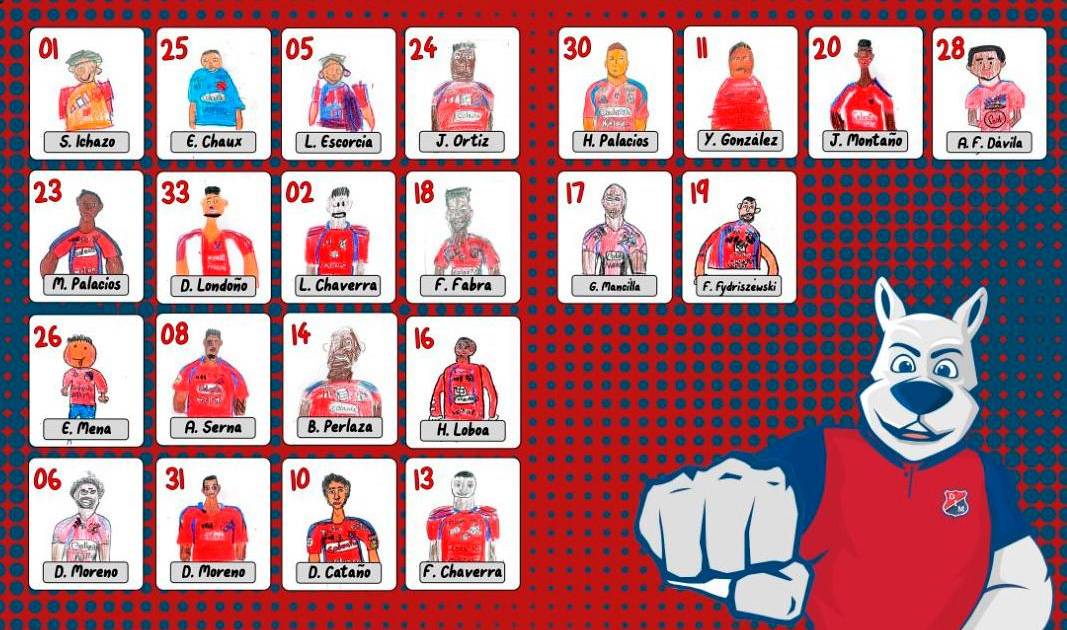
Deportivo Independiente Medellín (DIM) is stepping into one of the most demanding stages of the Copa Libertadores with a tactical gamble that has captured the attention of the Colombian football community. In preparation for their upcoming clash against Cusco FC, the club’s technical staff has announced a squad selection defined by “creativity” and a distinct youth-centric approach, signaling a departure from traditional veteran-heavy lineups in continental play.
This strategic pivot, described as having a “youthful imprint,” sees the integration of several academy products and young prospects into the first-team call-up. By prioritizing agility, unpredictability, and the raw energy of its youth ranks, DIM is betting that a creative spark will be more effective than rigid experience when facing the tactical challenges posed by the Peruvian side.
For a club with the history and expectations of Independiente Medellín, such a move is rarely without risk. The Copa Libertadores is a tournament where physical maturity and psychological resilience often dictate the outcome. However, the current direction suggests a coaching philosophy that values the “fearlessness” of youth—a quality that can often break the deadlock in high-pressure international fixtures.
A Strategic Shift Toward Youthful Creativity
The decision to lean into a more creative, youth-led roster is not merely about filling gaps in the lineup but represents a calculated attempt to change the team’s dynamic on the pitch. In South American football, the “creative” player—the playmaker who can uncover gaps in a compact defense—is often the difference-maker. By calling up players with a “child-like” enthusiasm and an unconventional approach to the game, DIM hopes to unsettle Cusco FC’s defensive organization.
This approach aligns with a broader trend in modern football where clubs are increasingly trusting their youth academies to provide solutions that seasoned professionals, often bound by tactical habit, might overlook. For DIM, the goal is to inject a sense of spontaneity into their attacking transitions, utilizing the speed and daring nature of their younger players to create scoring opportunities.
The integration of these players is a testament to the club’s developmental pipeline. By giving these athletes a platform in the Copa Libertadores, the most prestigious club competition in the Americas, the organization is accelerating the growth of its next generation even as simultaneously attempting to secure a result in the group stages.
Analyzing the Challenge: Cusco FC
Cusco FC enters this matchup as a formidable opponent, known for their resilience and the ability to adapt to various playing styles. For DIM, the challenge is twofold: managing the nerves of a young squad and overcoming a Peruvian side that is disciplined in its defensive shape.
Cusco FC’s ability to neutralize traditional playmakers often forces opponents to look for alternative routes to goal. This is precisely why DIM has opted for a “creative” call-up. The hope is that the unpredictable movements and daring passes of the youth players will bypass the structured defensive blocks that Cusco FC typically employs.
the psychological battle will be key. While the veteran players provide stability, the youth players bring a level of optimism and risk-taking that can be contagious. If the young core of the DIM squad can settle into the rhythm of the match early, their creativity could become the primary engine for the team’s success.
Key Factors for DIM’s Success
- Tactical Fluidity: The ability of the youth players to rotate positions and create numerical advantages in the final third.
- Mental Fortitude: How the younger players handle the intensity and atmosphere of a Libertadores match.
- Balance: The synergy between the creative youth and the remaining experienced anchors in the midfield, and defense.
- Adaptability: The coaching staff’s ability to make real-time adjustments if the youthful energy is countered by Cusco FC’s physicality.
What This Means for the Libertadores Campaign
This squad selection serves as a barometer for DIM’s ambitions and philosophy for the remainder of the tournament. If the creative gamble pays off, it validates a model of sustainable growth where the academy is directly linked to the first team’s competitive success. If it fails, the club may be forced to return to a more conservative, experience-based approach to salvage their campaign.
Beyond the immediate result, this move sends a strong message to the rest of the squad and the fans: the club is not afraid to innovate. In a competition often characterized by cautious play and defensive rigidity, DIM’s willingness to embrace “creativity” is a refreshing departure that could inspire a new era of attacking football for the Medellín-based club.
The stakes are high, as every point in the group stage is vital for progression to the knockout rounds. By trusting the youth, DIM is not just playing for a win against Cusco FC; they are investing in the future identity of the club on the continental stage.
Quick Comparison: Youth vs. Experience in Continental Play
| Attribute | Youth-Centric Approach (DIM) | Experience-Centric Approach |
|---|---|---|
| Predictability | Low (More Spontaneous) | High (More Disciplined) |
| Physicality | High Energy/Speed | Strength/Positioning |
| Pressure Handling | Fearless/Naive | Calculated/Steady |
| Tactical Rigidity | Fluid/Experimental | Structured/Consistent |
As the match approaches, the focus remains on how these young talents will integrate into the starting eleven. The “sello infantil” is more than just a label; it is a tactical manifesto for a team looking to redefine its presence in South American football.
The next critical checkpoint for the club will be the official matchday lineup announcement, which will reveal exactly how many of these creative youth prospects will be entrusted with starting roles in the clash against Cusco FC. Fans and analysts alike will be watching to observe if this bold experiment translates into goals and points.
Do you think DIM’s bet on youth is a masterstroke or too risky for the Copa Libertadores? Share your thoughts in the comments below and let us understand who you think should start in the creative roles.
Keep reading
- Gallagher Premiership 2024/25: Fixtures, TV Schedule and How to Watch
- Highlights of the 15th Xinjiang Uygur Autonomous Region Games: Top Athletes and Event Updates
- Maryland Lawmakers Clash Along Partisan Lines In Special Legislative Session (news-usa.today)
- Liverpool US Tour: Trey Nyoni Shines as Iraola Faces Critical Squad Gaps (time.news)