
The intersection of digital artistry and physical performance has always been a cornerstone of the anime, comic, and games (ACG) community, but few titles have sparked as much visual discourse recently as Girls’ Frontline 2: Exilium. As the tactical RPG expands its footprint, particularly through high-profile promotional events in China, a new tension has emerged between the dedication of professional cosplayers and the uncanny capabilities of generative artificial intelligence.
Recent gatherings, often described as “carnival” style festivals, have showcased stunning recreations of the game’s complex character designs. However, the sheer perfection of some images circulating online has led to a heated debate among global fans: are these the results of meticulous craftsmanship and high-end photography, or are they AI-generated “deepfakes” designed to mimic the look of a live event?
This controversy highlights a growing crisis of authenticity in the entertainment world. For a community that prizes the “hand-made” nature of cosplay—the sewing of fabric, the 3D printing of armor, and the physical presence of a performer—the possibility that “perfect” event photos are actually synthetic creations strikes a chord of distrust. The debate surrounding Girls’ Frontline 2: Exilium cosplay AI imagery is no longer just about a single game, but about how we perceive reality in the age of hyper-realistic synthesis.
The Aesthetic Allure of Girls’ Frontline 2: Exilium
To understand why the AI debate is so prevalent, one must first look at the visual identity of Girls’ Frontline 2: Exilium. Developed by Sunborn, the game moves away from the traditional 2D aesthetics of its predecessor toward a more sophisticated, semi-realistic 3D style. The character designs are characterized by a blend of tactical military gear and high-fashion elegance, creating a “tech-wear” look that is highly coveted in the cosplay circuit.
Because the game’s official art is already so polished, the leap from a digital render to a high-quality photograph is smaller than ever. Professional cosplayers in China often utilize advanced lighting, heavy post-processing, and professional makeup to bridge this gap. When these images are shared on social media platforms, they can easily be mistaken for AI art because they mirror the same “perfect” skin textures and lighting gradients that AI models are trained to produce. You can explore the official visual direction of the title via the Girls’ Frontline 2 official art gallery.
For the community, the “Carnival” events serve as a physical manifestation of this digital world. These festivals are not merely promotional stops but are cultural hubs where fans gather to notice their favorite characters brought to life. When the line between a physical costume and a digital hallucination blurs, the value of the live experience is called into question.
The “AI vs. Reality” Controversy in the ACG Community
The current friction stems from a series of images appearing to be from live GF2 events that exhibit “too-perfect” traits. In the ACG community, “AI markers”—such as inconsistent fabric folds, blurred jewelry, or anatomically improbable finger placements—are often used by amateur detectives to debunk synthetic images. In the case of the recent Exilium festival photos, users have pointed to the seamless blending of characters into their environments as a sign of AI generation.

This skepticism is not unfounded. The rise of tools like Midjourney and Stable Diffusion has allowed creators to generate “cosplay” images that never existed in the physical world. These “AI cosplays” are often uploaded to forums and social media, sometimes falsely attributed to real events to garner likes and engagement. When these images are mixed with genuine photography from a crowded carnival, it creates a “contamination” of the visual record.
The impact of this is twofold. First, it undermines the hard perform of legitimate cosplayers who spend hundreds of hours and significant financial resources to recreate these intricate outfits. Second, it creates a “trust deficit” where even genuine, high-quality photography is dismissed as “just AI.” This phenomenon has turned gaming forums into battlegrounds of image forensics, where fans spend more time analyzing pixels than celebrating the artistry of the costumes.
Defining Authenticity in a Synthetic Era
As an editor who has covered the red carpets of Cannes and the Oscars, I have seen how digital retouching has evolved, but the AI shift is fundamentally different. In traditional celebrity photography, the goal is to enhance a real person. In AI-generated cosplay, the goal is often to simulate a person who was never there.
The Girls’ Frontline 2: Exilium community is currently grappling with how to certify authenticity. Some suggest that cosplayers should provide “proof of work”—such as behind-the-scenes videos, raw unedited photos, or “work-in-progress” (WIP) shots of the costume construction. Others argue that the distinction no longer matters, as the “vibe” of the character is what truly counts. However, for the purists, the physical effort is the entire point of the hobby.
This debate also reflects the broader challenges facing the gaming industry. As developers integrate AI into their workflows, the boundary between human-led design and algorithmic generation continues to shrink. The controversy over festival photos is simply a mirror of the larger industry-wide conversation regarding intellectual property and the value of human creativity.
Key Takeaways: The AI Cosplay Debate
- Visual Convergence: The semi-realistic 3D art style of Girls’ Frontline 2: Exilium makes it easier for AI to mimic real-life cosplay.
- Trust Deficit: High-quality, edited photography is increasingly being mistaken for AI-generated content, leading to skepticism within the fan community.
- Value of Craft: The core of the controversy lies in the tension between the “effort-based” value of traditional cosplay and the “result-based” value of AI art.
- Verification Needs: There is a growing demand for “proof of work” (WIPs and raw footage) to authenticate event photography.
What Which means for the Future of Gaming Events
Moving forward, we can expect event organizers and developers to take a more active role in authenticating their promotional materials. To avoid community backlash and “AI accusations,” official event galleries will likely move toward providing more candid, raw-style coverage alongside the polished promotional shots.
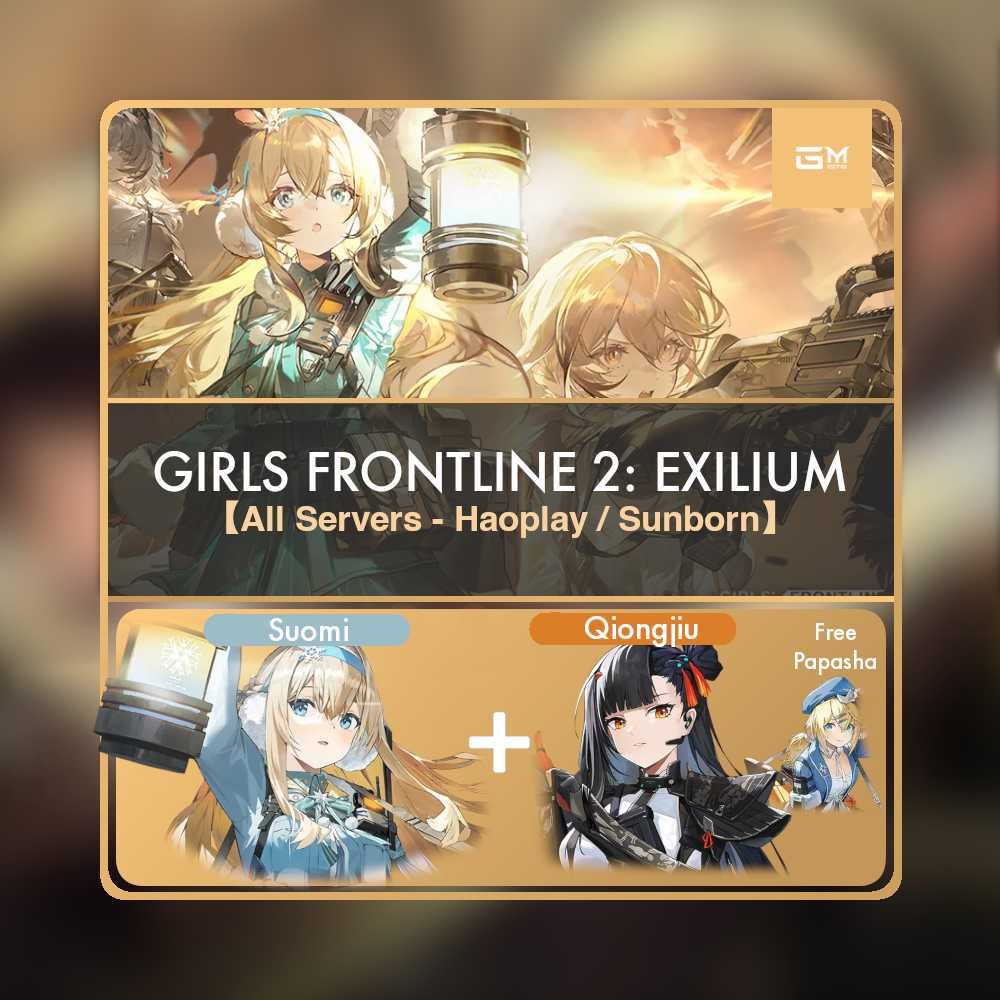
the Girls’ Frontline 2: Exilium experience continues to evolve. For those looking to track their progress or engage with the community’s data-driven side, tools like the EXILIUM Tracker provide a way to connect with the game’s systemic elements, though they do not solve the visual authenticity crisis.
the “AI vs. Real” debate serves as a reminder that in a world of infinite digital perfection, the flaws of reality—the stray thread on a costume, the sweat on a performer’s brow, the imperfection of a candid photo—are what make the experience human. The passion of the Girls’ Frontline fandom proves that while AI can mimic the look of a festival, it cannot replicate the energy of a community coming together in a physical space.
The next major checkpoint for the community will be the upcoming official quarterly roadmap from Sunborn, which is expected to detail further global expansion plans and official community events. We will be watching closely to see if the developers address the integration of AI in their promotional strategies.
Do you think AI-generated “cosplay” has a place in the community, or does it diminish the art of the craft? Let us know your thoughts in the comments below and share this article with your fellow commanders.
Keep reading