
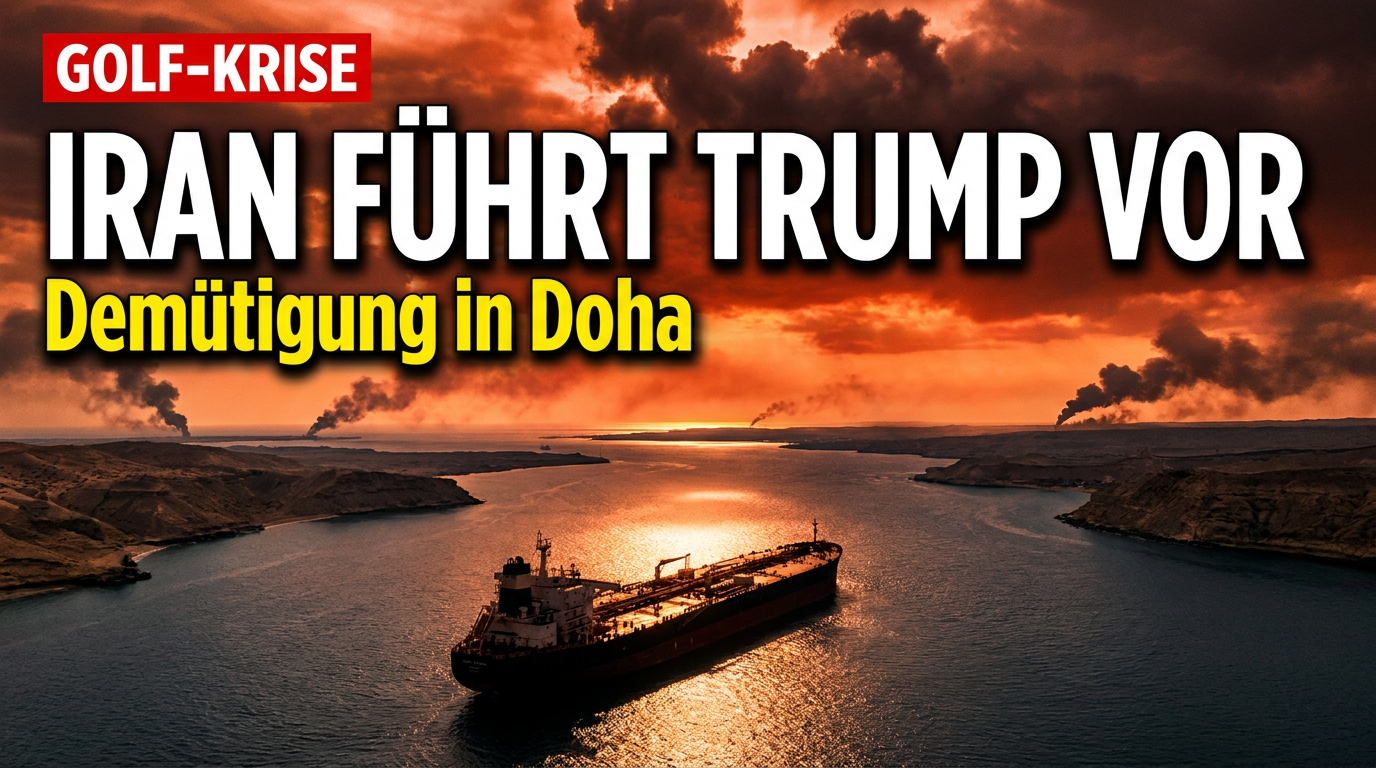
Tehran’s recent diplomatic maneuvers in the Persian Gulf have intensified regional volatility, challenging the strategic posture of the incoming U.S. administration. As Iran continues to calibrate its regional influence through a mix of proxy engagement and high-stakes brinkmanship, global markets remain sensitive to the potential for supply chain disruptions in the Strait of Hormuz. According to the International Energy Agency, a significant portion of global oil transit passes through this maritime chokepoint, making regional stability a primary factor in global energy price fluctuations.
The current state of Persian Gulf relations reflects a departure from traditional diplomatic norms, characterized by what analysts describe as a “theatrical” display of power projection. This environment complicates international efforts to manage nuclear non-proliferation and regional security. While international mediators seek to maintain open channels, the tactical decisions made by the Iranian leadership often prioritize domestic resilience and regional hegemony over collaborative engagement with Western powers.
Regional Tensions and Strategic Posturing
The geopolitical landscape of the Persian Gulf is currently defined by a delicate balance between Iran’s regional interests and the broader international security architecture. Recent reports from the Congressional Research Service indicate that Iran’s use of asymmetric warfare tactics—ranging from naval harassment to the support of regional non-state actors—serves to maximize leverage while avoiding a direct, large-scale conventional conflict that could trigger a decisive international response.

This strategy is often perceived as a challenge to the U.S. policy of “maximum pressure.” By maintaining a persistent, low-level state of tension, Tehran effectively forces global powers to constantly recalibrate their regional commitments. The U.S. Department of State has repeatedly characterized these actions as destabilizing, noting that such maneuvers undermine the efforts of Gulf Cooperation Council (GCC) member states to establish a sustainable regional security framework.
Economic Implications and Market Volatility
For investors and global market participants, the primary concern remains the vulnerability of energy infrastructure. Any escalation in the Persian Gulf historically correlates with an increase in the price of safe-haven assets, including gold and government bonds. Analysts at the World Bank have observed that persistent uncertainty in the Middle East functions as a “risk premium” on energy commodities, which can exacerbate inflationary pressures in import-dependent economies.

The interplay between Tehran’s regional posturing and the global economy highlights the importance of energy security. While the transition to renewable energy sources is underway, the current dependence on oil and gas transit through the Strait of Hormuz ensures that political developments in Tehran remain a top-tier concern for central banks and financial institutions worldwide. Investors are increasingly diversifying portfolios to hedge against the potential for sudden, conflict-driven market shocks.
Diplomatic Challenges and Future Outlooks
Diplomatic engagement with Iran remains a complex endeavor, hindered by a fundamental misalignment of objectives. The United Nations continues to advocate for a peaceful resolution to regional disputes, yet the recurring cycles of escalation suggest that both Tehran and Western capitals are locked in a cycle of reactive policy-making. The absence of a robust, multilateral security architecture leaves little room for de-escalation when individual incidents occur.
Looking ahead, the international community faces the challenge of addressing Iran’s regional conduct without closing the door on dialogue. The upcoming months will be critical as new political leadership in Washington assesses its approach to the Iran nuclear file and regional security guarantees. Observers expect that any shift in U.S. policy will be met with a calculated response from Tehran, likely involving further displays of military capability or shifts in proxy activity.

The next major checkpoint for regional stability involves the upcoming periodic review of sanctions-related compliance by international oversight bodies, expected in early 2025. These reports often serve as a barometer for the level of tension between Tehran and the international community. Readers interested in the latest developments are encouraged to monitor official briefings from the International Atomic Energy Agency for verified updates on nuclear monitoring and transparency efforts. Please share your thoughts on the shifting dynamics of Middle Eastern security in the comments below.