
The Bayreuth Festival, a cornerstone of global opera tradition, is currently navigating a period of significant artistic and structural transition as it approaches its 150th anniversary. Founded by Richard Wagner in 1876, the festival remains a focal point for the performance of his complex operatic cycle, yet modern leadership is increasingly pressured to balance historical preservation with the mandate to innovate. The current administrative and artistic direction is defined by the call to “Kinder, schafft Neues!” (Children, create something new!), a rallying cry famously attributed to Wagner himself that now serves as the central theme for the festival’s ongoing evolution.
According to the official Bayreuther Festspiele, the festival continues to operate under the constraints and opportunities of its unique venue, the Bayreuth Festspielhaus. Completed in 1876, the theater was specifically designed by Wagner to achieve a unique acoustic balance, utilizing an invisible orchestra pit that remains a defining feature of the Bayreuth experience. As the festival looks toward its sesquicentennial, the challenge remains to honor this architectural legacy while integrating contemporary staging techniques that appeal to a new generation of opera enthusiasts.
The Evolution of the Bayreuth Festspielhaus
The Festspielhaus is not merely a venue; it is an instrument. Its construction was funded through a combination of private patronage and the formation of Wagner societies, an early form of crowdfunding. The UNESCO World Heritage status of the nearby Margravial Opera House, a masterpiece of Baroque architecture, often draws tourists to the city of Bayreuth, yet the Festspielhaus remains the primary draw for Wagnerian scholars and performers. The city itself, home to the University of Bayreuth, provides an intellectual backdrop that supports the festival’s rigorous academic approach to musicology.
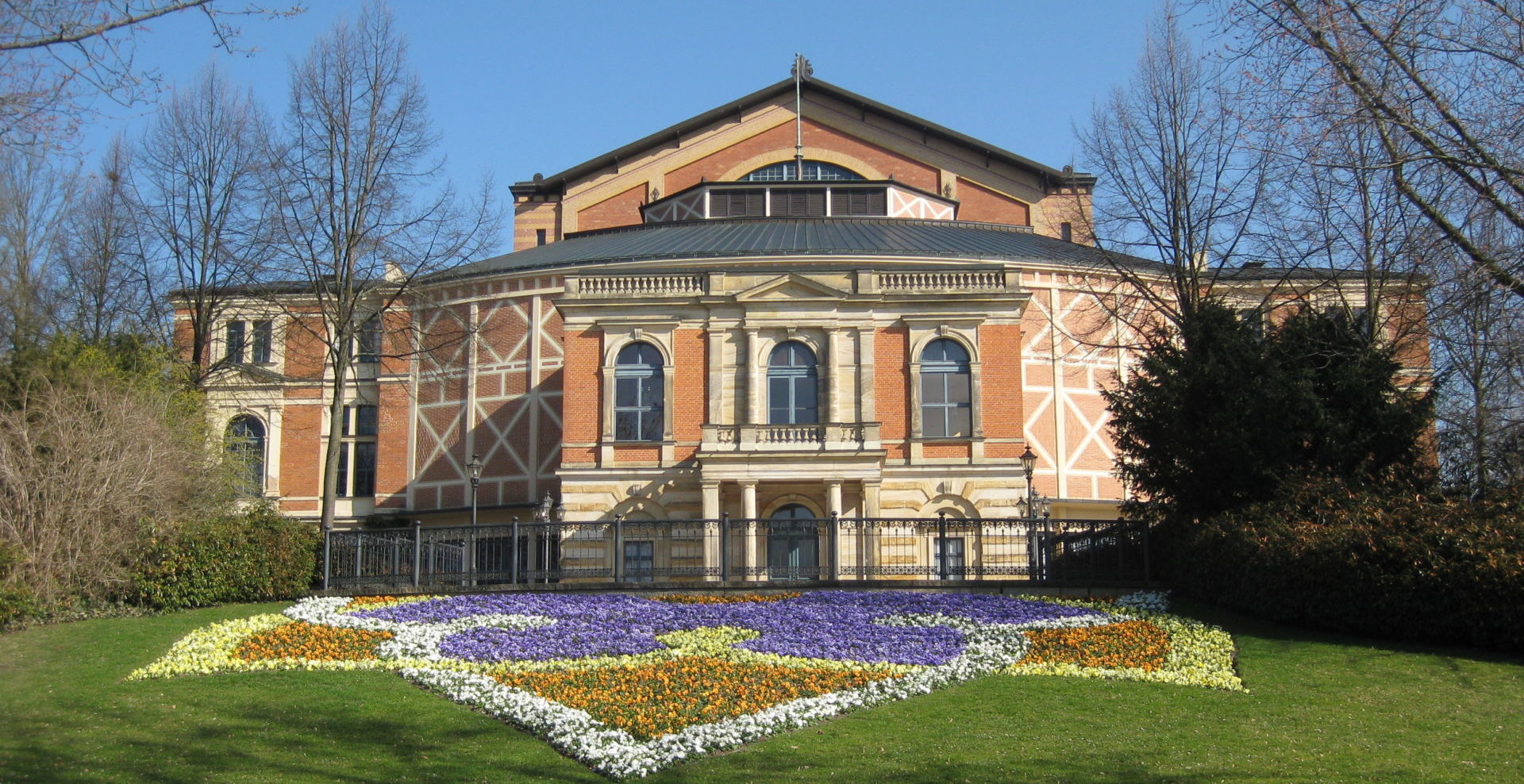
In recent years, the festival has faced scrutiny regarding the pace of its modernization. Katharina Wagner, the great-granddaughter of the composer and current director, has consistently signaled a desire to move away from traditionalist stagings. According to reports from the Deutsche Welle culture desk, the festival’s programming has increasingly featured collaborations with directors known for provocative, avant-garde interpretations of the Wagnerian canon. This shift has prompted debate among purists who advocate for the preservation of original production styles, versus those who argue that the festival must evolve to remain relevant in a globalized arts market.
Cultural and Economic Impact on Bayreuth
Beyond the immediate operatic performances, the festival serves as the primary economic engine for the Upper Franconia region. During the peak summer season, the influx of international visitors impacts local hospitality and tourism sectors significantly. The City of Bayreuth emphasizes the symbiotic relationship between the festival and the local infrastructure, noting that the city’s identity is inextricably linked to the legacy of the Wagner family. The Eremitage, a sprawling 18th-century park and palace complex, serves as a popular secondary destination for visitors during the festival weeks.
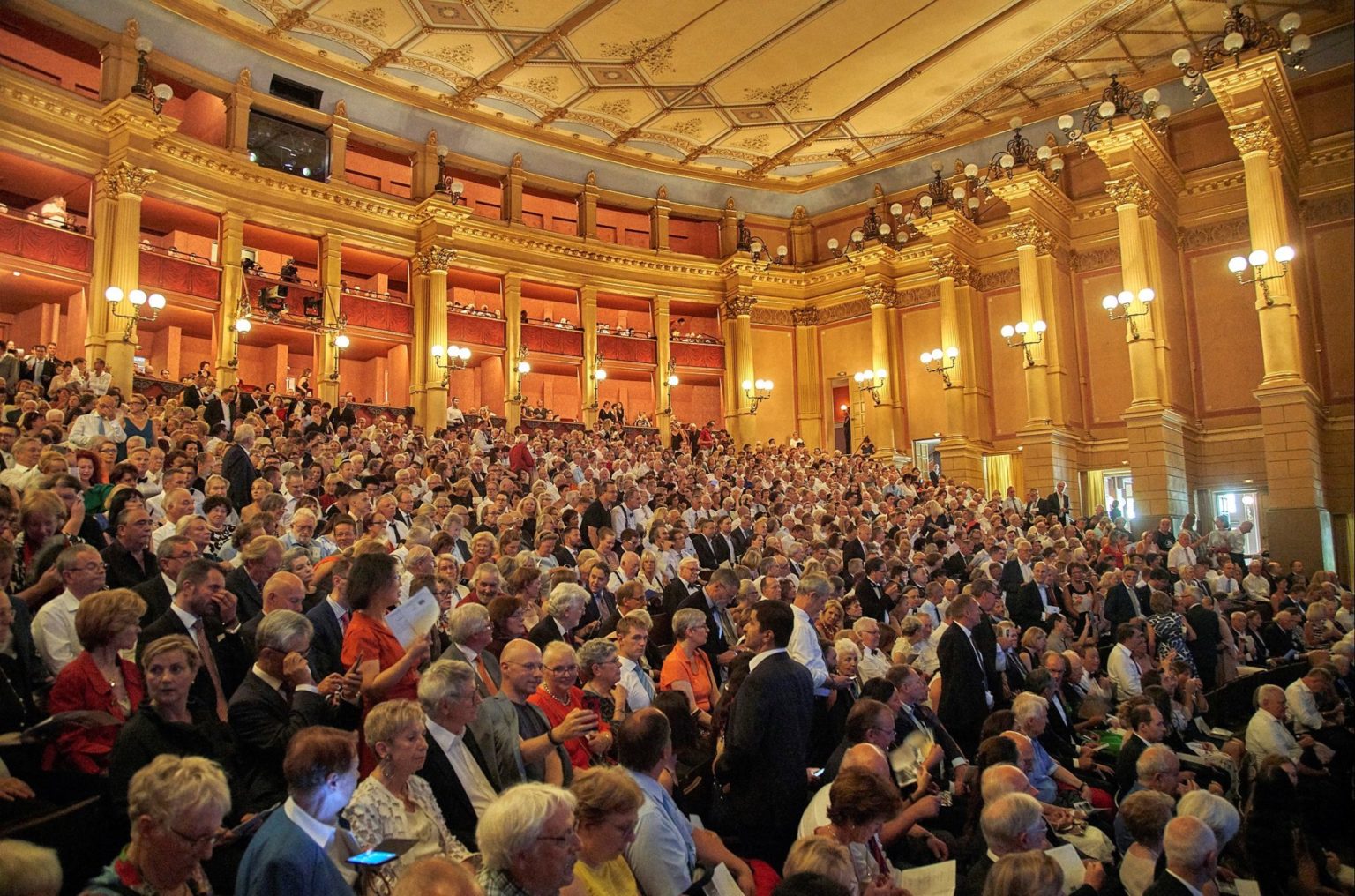
Data regarding the festival’s ticket demand consistently shows high occupancy rates, with waiting lists often spanning several years for popular productions. Despite the high cost of operations, the festival continues to rely on a mix of state subsidies, private sponsors, and ticket sales. As reported by Bayerischer Rundfunk, the long-term sustainability of these funding models is a frequent topic of discussion at annual board meetings, especially as the cost of mounting large-scale, technologically advanced productions continues to rise.
Looking Toward the 150th Anniversary
The roadmap for the 150th anniversary is currently being developed by the festival’s administrative board. The objective, as stated by management, is to ensure that the festival remains a “living” institution rather than a museum of 19th-century aesthetics. This involves not only the staging of new productions but also the digitization of the festival’s archives and the expansion of educational outreach programs through the University of Bayreuth. The integration of modern technology into the historic Festspielhaus is a significant technical hurdle, as any alterations to the building must comply with strict monument protection laws.
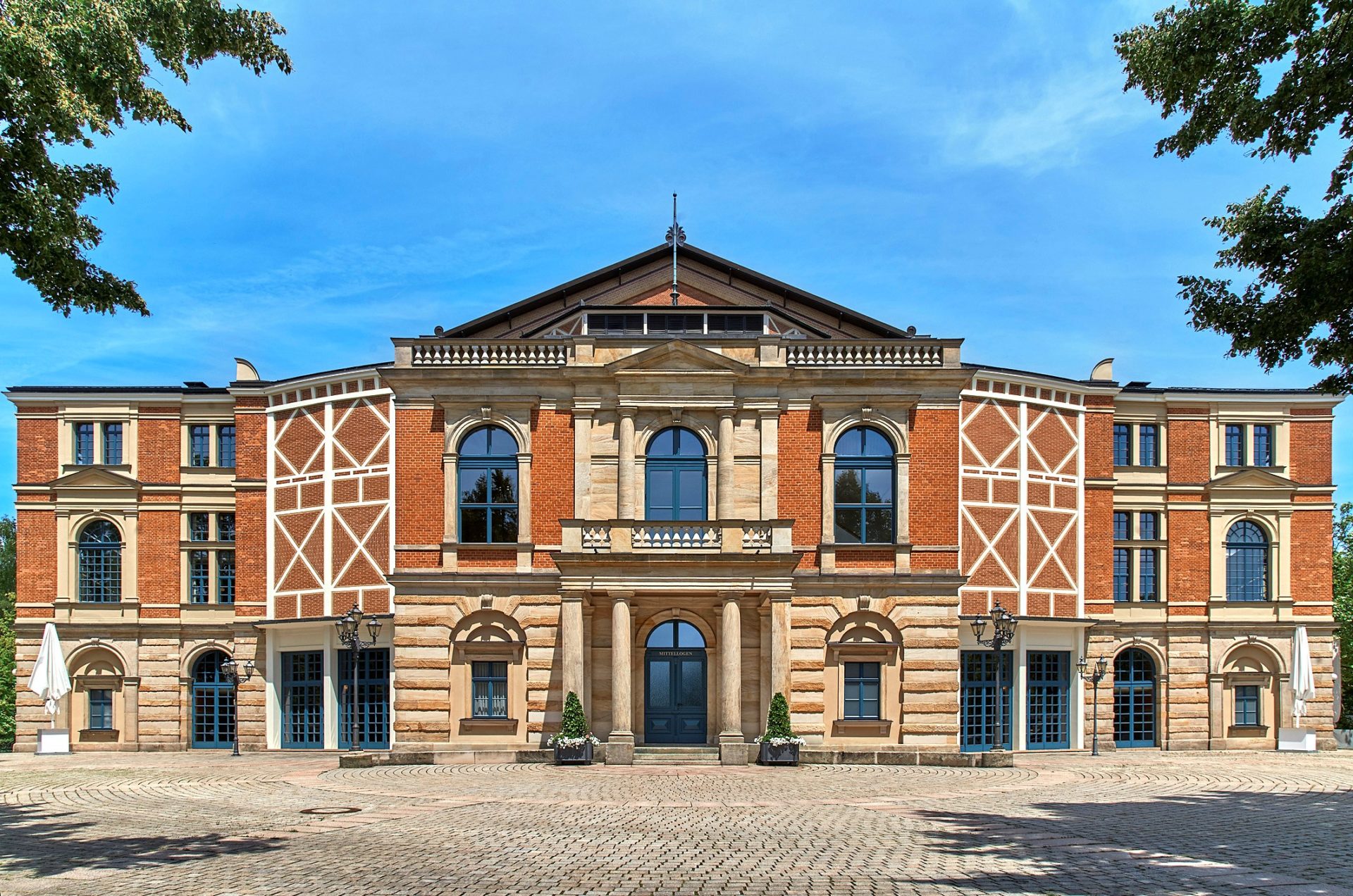
As the international arts community observes these developments, the focus remains on whether the “create something new” directive will manifest in a complete reimagining of the Wagnerian performance cycle or if it will be limited to aesthetic updates. The next major update regarding the 150th-anniversary program is expected to be released following the conclusion of the upcoming summer season. For those interested in the ongoing developments, the festival’s official press office provides regular updates on casting, production schedules, and ticket availability for upcoming seasons.
The dialogue surrounding the future of the Bayreuth Festival is far from settled. Whether the festival succeeds in balancing its storied past with the demands of the future will likely serve as a case study for other major cultural institutions worldwide. Readers are invited to share their perspectives on the evolution of Wagnerian performance in the comments section below.
Worth a look