
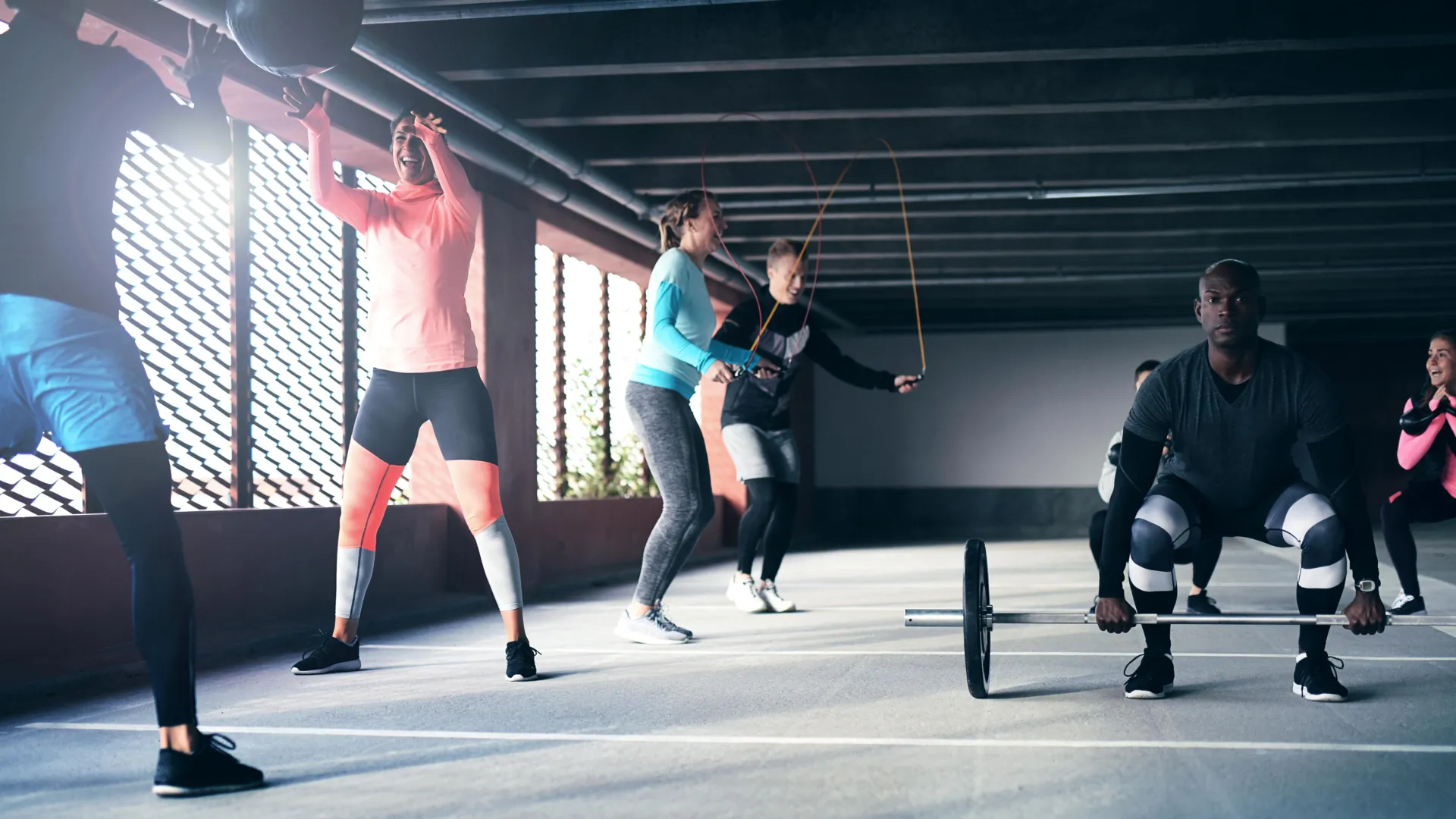
Why Mixing Up Your Workouts Could Be the Key to a Longer Life
For decades, health experts have urged us to move more—whether through brisk walks, gym sessions, or weekend hikes. But latest research suggests that the secret to longevity might not just lie in how much we exercise, but in how varied our physical activity is. A landmark study tracking over 110,000 adults for more than 30 years has found that those who engage in a diverse range of activities—from cycling to swimming to strength training—tend to live longer than those who stick to the same routine, even if they exercise just as frequently.
The findings, published in BMJ Medicine, challenge the long-held belief that exercise volume alone determines health outcomes. Instead, the study reveals a “sweet spot” of activity variety, where the benefits of mixing workouts plateau after a certain point—offering a compelling case for rethinking how we approach fitness for long-term health.
As a physician and health journalist, I’ve seen firsthand how small changes in lifestyle can yield outsized benefits. This research underscores a simple yet powerful truth: our bodies thrive on diversity, not just repetition. But what does this mean for the average person? And how much variety is enough to make a difference?
The Science Behind Exercise Variety and Longevity
The study, led by researchers from Harvard T.H. Chan School of Public Health and Brigham and Women’s Hospital, analyzed data from two large, long-running cohorts: the Nurses’ Health Study (1986–2018) and the Health Professionals Follow-Up Study (1986–2020). Together, these studies included 70,725 women and 40,742 men who were free of major chronic diseases at the start of the research. Participants reported their physical activity habits every two years, allowing researchers to track how different types of exercise—such as walking, running, cycling, swimming and strength training—correlated with mortality risk over time.
The results were striking. Participants who engaged in at least three different types of physical activity per week had a 15% lower risk of all-cause mortality compared to those who did only one or two types, even after adjusting for total exercise volume. The benefits were particularly pronounced for cardiovascular disease and cancer, the two leading causes of death worldwide. For example, those who mixed aerobic activities (like running and cycling) with strength training had a 20% lower risk of cardiovascular death than those who focused solely on cardio.
But the study also revealed a critical nuance: the relationship between exercise variety and longevity isn’t linear. The protective effects of mixing activities leveled off after participants engaged in four or more different types of exercise per week. In other words, doing five or six activities didn’t confer significantly greater benefits than doing four. This suggests there’s an optimal “dose” of variety—one that balances diversity with practicality for most people.
Why Does Variety Matter?
The mechanisms behind these findings are still being explored, but researchers propose several plausible explanations:
- Muscle and Joint Health: Repeating the same movements (e.g., running every day) can lead to overuse injuries, while varied activities distribute stress across different muscle groups and joints, reducing wear and tear.
- Metabolic Adaptation: The body becomes more efficient at a specific exercise over time, burning fewer calories and stimulating less muscle growth. Mixing activities “confuses” the muscles, leading to greater metabolic benefits.
- Mental Engagement: Monotonous routines can lead to boredom and dropout, while variety keeps exercise enjoyable and sustainable long-term.
- Comprehensive Fitness: Different activities target different aspects of health—cardio improves heart health, strength training builds muscle and bone density, and flexibility exercises enhance mobility. A varied routine ensures no area is neglected.
Dr. I-Min Lee, a professor of epidemiology at Harvard and senior author of the study, emphasized in an interview with Harvard T.H. Chan School of Public Health that the findings don’t diminish the importance of total physical activity. “The message isn’t that Make sure to do less exercise,” she said. “Rather, it’s that if you’re already active, adding variety could give you an extra edge for longevity. And if you’re not active, starting with even one or two types of exercise is a great first step.”
How Much Variety Is Enough?
The study’s “sweet spot” of four different activities per week may sound daunting, but experts say it’s more achievable than it seems. Here’s what it could look like in practice:
- Monday: 30-minute brisk walk (aerobic)
- Wednesday: 20-minute strength training (resistance)
- Friday: 30-minute cycling or swimming (aerobic + low-impact)
- Sunday: 20-minute yoga or stretching (flexibility + balance)
Notice that the activities don’t need to be extreme or time-consuming. Even household chores like gardening or vacuuming can count toward variety if they elevate your heart rate. The key is to incorporate movements that challenge different parts of the body and engage different energy systems.
For those who prefer structured workouts, the study’s lead author, Dr. Dong Hoon Lee, suggested in a BMJ press release that alternating between high-intensity interval training (HIIT), moderate cardio, and resistance training could be an effective strategy. “The goal is to avoid doing the same thing every day,” he said. “Even small changes—like swapping a run for a swim or adding a 10-minute strength session—can make a difference.”
Who Stands to Benefit the Most?
While the study’s findings apply broadly, certain groups may spot outsized benefits from diversifying their workouts:
- Older Adults: Variety can help counteract age-related declines in muscle mass, balance, and cardiovascular health. Activities like tai chi, swimming, and resistance training can improve mobility and reduce fall risk.
- People with Chronic Conditions: Those with arthritis, diabetes, or heart disease may find that mixing low-impact activities (e.g., cycling, water aerobics) with strength training helps manage symptoms without overloading joints.
- Sedentary Individuals: For those new to exercise, starting with a mix of walking, stretching, and light resistance work can build confidence and reduce injury risk.
- Athletes: Even competitive runners or cyclists can benefit from cross-training (e.g., swimming, yoga) to prevent overuse injuries and improve overall fitness.
It’s worth noting that the study’s participants were primarily health professionals, which may limit the generalizability of the findings to the broader population. However, the sheer size and duration of the study—along with its alignment with other research on exercise diversity—lend credibility to its conclusions.
Practical Tips for Adding Variety to Your Routine
If you’re convinced to mix up your workouts but aren’t sure where to start, here are some expert-backed strategies:
- Start Small: If you currently do one type of exercise (e.g., running), add just one new activity per week, such as a yoga class or a strength session.
- Combine Activities: Try “exercise snacks”—short bursts of different activities throughout the day. For example, do 10 minutes of stretching in the morning, a 20-minute walk at lunch, and 10 minutes of bodyweight exercises in the evening.
- Leverage Technology: Fitness apps and wearables can track your activity variety and suggest new workouts. Some even gamify the process, rewarding you for trying new exercises.
- Join a Class or Group: Social settings can make variety more enjoyable. Consider a dance class, hiking group, or team sport to mix up your routine while connecting with others.
- Listen to Your Body: Variety shouldn’t come at the cost of comfort. If an activity causes pain (not to be confused with normal muscle soreness), swap it for something gentler.
For those who struggle with motivation, Dr. Lee recommends focusing on the immediate benefits of variety, such as improved mood and energy levels, rather than long-term outcomes like longevity. “When exercise feels fresh and engaging, it’s easier to stick with it,” he said. “And over time, those small changes add up to big health benefits.”
The Bigger Picture: What This Means for Public Health
The study’s findings come at a critical time. Global physical activity levels have stagnated in recent years, with the World Health Organization (WHO) estimating that 1 in 4 adults worldwide don’t meet recommended activity guidelines. The COVID-19 pandemic further disrupted exercise habits, with many people abandoning structured routines in favor of sedentary behaviors.

Public health campaigns have traditionally focused on increasing exercise volume, often using slogans like “move more” or “10,000 steps a day.” While these messages are important, the new research suggests they may be missing a key piece of the puzzle. “We’ve been telling people to exercise more for decades, but we haven’t always emphasized how to exercise smart,” said Dr. Lee. “Variety is a simple, actionable strategy that could help more people stay active and healthy.”
The implications extend beyond individual health. Healthcare systems worldwide are grappling with the rising costs of chronic diseases, many of which are linked to physical inactivity. Encouraging exercise variety could be a cost-effective way to reduce the burden of conditions like heart disease, diabetes, and certain cancers. For example, a 2022 study in The Lancet Global Health estimated that increasing physical activity levels by just 10% could prevent 500,000 deaths annually worldwide.
Key Takeaways
- Variety Matters: Engaging in at least three different types of physical activity per week is associated with a 15% lower risk of all-cause mortality, according to the BMJ Medicine study.
- Sweet Spot: The benefits of exercise variety plateau after four different activities per week, suggesting there’s an optimal balance between diversity and practicality.
- Not Just Volume: The study challenges the idea that more exercise is always better. Quality (in the form of variety) may be just as important as quantity.
- Accessible for All: Variety doesn’t require expensive equipment or gym memberships. Activities like walking, gardening, and bodyweight exercises can all contribute to a diverse routine.
- Public Health Potential: Encouraging exercise variety could be a scalable strategy to improve global health and reduce the burden of chronic diseases.
What’s Next?
The researchers plan to dig deeper into the data to explore whether certain combinations of activities are more beneficial than others. For example, does pairing strength training with yoga offer greater longevity benefits than combining running and cycling? Future studies may also investigate how exercise variety affects specific populations, such as older adults or those with disabilities.
In the meantime, the message for individuals is clear: if you want to live a longer, healthier life, don’t just move more—move differently. Whether it’s swapping your usual jog for a swim, adding a dance class to your routine, or simply taking the stairs instead of the elevator, small changes can add up to big rewards.
As Dr. Lee put it: “The best exercise routine is the one you’ll actually stick with. And for most people, that means keeping it interesting, enjoyable, and varied.”
What’s your go-to workout? Have you noticed benefits from mixing up your routine? Share your experiences in the comments below—and don’t forget to share this article with someone who might need a nudge to try something new!