
For decades, the humble egg has been a polarizing figure in the world of nutrition. Once hailed as a breakfast staple, it was later cast as a cardiovascular villain, with health warnings urging consumers to limit their intake to avoid spiking blood cholesterol levels. However, a paradigm shift in nutritional science is rewriting this narrative, moving the focus away from dietary cholesterol and toward the real culprit: saturated fats.
Current medical evidence suggests that for the majority of the population, eggs do not pose the risk once feared. In fact, when integrated into a balanced dietary pattern, they may offer significant nutritional benefits that far outweigh the perceived risks of their cholesterol content. The conversation has evolved from “how many eggs are too many” to “what are we eating alongside our eggs.”
As a physician and health journalist, I have watched the guidance on dietary cholesterol shift dramatically. The emerging consensus indicates that the cholesterol found in food—specifically in egg yolks—has a much smaller impact on blood cholesterol levels than previously believed. Instead, the way our bodies process fats and the genetic makeup of the individual play the primary roles in cardiovascular risk.
The Shift in Dietary Guidelines: From Restriction to Nuance
The fear surrounding eggs is rooted in guidelines that date back to the 1960s. For years, health authorities recommended limiting dietary cholesterol to no more than 300 mg per day, based on the theory that consuming cholesterol directly increased the amount of cholesterol in the bloodstream, thereby raising the risk of heart disease according to scientific reviews of dietary history.
This restrictive approach remained the standard for decades until the evidence failed to support a strong, direct link between dietary cholesterol and heart disease for the general population. These specific limits on dietary cholesterol were removed from official guidelines in 2016. This change marked a critical turning point, acknowledging that the body regulates cholesterol production internally, regardless of how much is ingested through food.
The biological reality is that a significant portion of the cholesterol in the human body is produced by the liver. While dietary intake can influence these levels, it is not the primary determinant for most people. Instead, the liver’s ability to manage lipids is more heavily influenced by the overall composition of the diet, particularly the intake of saturated fats.
Saturated Fats: The Real Driver of Cholesterol
Science now points to saturated fats, rather than dietary cholesterol, as the primary factor responsible for elevating blood cholesterol levels. Saturated fats interfere with the liver’s ability to efficiently remove lipids from the blood. They increase the production of apolipoprotein B, a protein that plays a key role in the transport of cholesterol and is closely linked to an increased risk of cardiovascular diseases, especially among older adults as detailed in recent clinical observations.
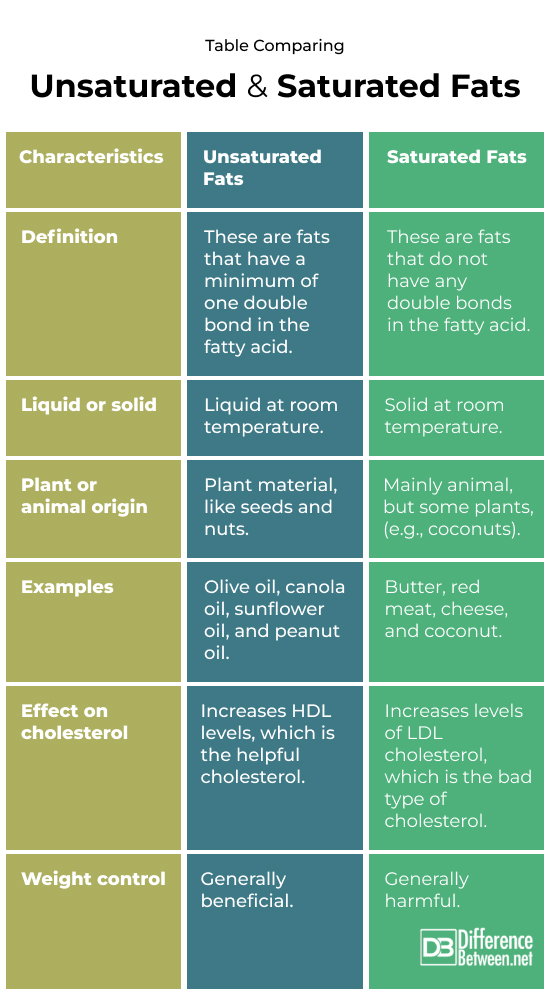
This distinction is vital for understanding why eggs were unfairly maligned. An egg on its own is not the problem; the problem arises when eggs are consumed with foods high in saturated fats, such as processed meats (bacon or sausage) or butter. When the overall diet is low in saturated fats, the cholesterol found in eggs does not typically trigger the same adverse cardiovascular response.
Can You Eat Two Eggs a Day? What the 2025 Research Says
Recent data has provided a more optimistic outlook on egg consumption. A study published in 2025 in The American Journal of Clinical Nutrition found that incorporating up to two eggs daily into a dietary pattern low in saturated fats can actually contribute to a reduction in LDL (low-density lipoprotein) cholesterol per recent research findings.
This finding challenges the long-held belief that eliminating eggs is a necessary step for cardiovascular health. Instead, it suggests that eggs can be a healthy part of a heart-conscious diet, provided the rest of the nutritional framework prioritizes unsaturated fats and limits processed saturated fats.
The Nutritional Power of the Yolk
For years, many people opted for egg whites to avoid cholesterol. However, this practice means missing out on the most nutrient-dense part of the egg. Dietitians, including Keith Ayoob, have noted that the highest concentration of essential nutrients is found in the yolk. While the yolk contains the cholesterol, it as well contains the vitamins and minerals necessary for various bodily functions, including brain health.
Renouncing the yolk often means renouncing a wide array of nutritional benefits. When viewed through the lens of overall nutrient density, the yolk provides a concentrated source of energy and micronutrients that support systemic health, provided the individual’s overall lipid profile is managed through a low-saturated-fat diet.
Individual Variability and Genetic Factors
nutrition is not one-size-fits-all. Specialists in preventive medicine, such as David L. Katz, emphasize that the body’s response to dietary cholesterol depends significantly on genetic factors. Not everyone reacts to dietary cholesterol in the same way.
Some individuals are “hyper-responders,” meaning their blood cholesterol levels may rise more sharply in response to dietary cholesterol than others. For these individuals, medical supervision and personalized dietary plans are essential. However, for the general population, the overarching rule remains: the quantity of saturated fats consumed is a far more relevant metric for heart health than the number of eggs eaten.
Key Takeaways for a Heart-Healthy Diet
- Focus on Saturated Fats: The primary driver of high blood cholesterol is the intake of saturated fats, which hinder the liver’s ability to clear lipids.
- The “Two Egg” Rule: Recent research suggests that up to two eggs a day can be beneficial or neutral for LDL cholesterol, provided the diet is low in saturated fats.
- Don’t Fear the Yolk: The yolk contains the majority of the egg’s nutrients; avoiding it may lead to unnecessary nutritional deficits.
- Genetics Matter: Individual responses to dietary cholesterol vary; those with specific genetic predispositions should consult a physician.
- Context is Everything: Eggs paired with vegetables and healthy fats are a different nutritional profile than eggs paired with processed meats.
Practical Guidance for Consumers
When incorporating eggs into your diet, consider the following strategies to maximize health benefits while minimizing cardiovascular risk:
- Pair with Fiber: Eat eggs with spinach, avocado, or whole-grain toast to increase fiber intake, which helps manage cholesterol levels.
- Swap the Cooking Fat: Instead of using butter or lard, use olive oil or avocado oil to reduce the intake of saturated fats.
- Monitor Your Overall Pattern: Rather than focusing on a single food item, look at your weekly intake of processed meats, fried foods, and refined sugars.
The evolution of this scientific understanding serves as a reminder that nutritional guidelines are not static; they evolve as more sophisticated data becomes available. The transition from fearing dietary cholesterol to managing saturated fats represents a more precise, evidence-based approach to public health.
For those seeking further clarity on their specific health needs, the next step is typically a comprehensive lipid panel and a consultation with a healthcare provider to determine if you are a hyper-responder to dietary cholesterol.
Do you have questions about how to balance your diet for heart health? Share your thoughts in the comments or share this article with someone who is still avoiding egg yolks.
Related reading