
The landscape of wearable health technology is shifting from basic activity tracking toward more sophisticated medical monitoring. At the forefront of this transition is the HUAWEI Watch D2 blood pressure monitoring system, a device designed to provide continuous, dynamic insights into cardiovascular health directly from the wrist.
Unlike standard smartwatches that estimate blood pressure using optical sensors and algorithms, the HUAWEI Watch D2 utilizes a physical mechanism to ensure accuracy. By integrating a specialized airbag system into the strap, the device attempts to replicate the function of a traditional blood pressure cuff, offering users a more credible method for tracking this critical health metric over time.
For those managing hypertension or monitoring their cardiovascular wellness during daily activities, the Watch D2 introduces a level of functionality previously reserved for clinical settings. This approach allows for a more comprehensive understanding of how exercise, stress, and sleep affect blood pressure throughout a full 24-hour cycle.
The Innovation of Ambulatory Blood Pressure Monitoring
One of the most significant advancements in the HUAWEI Watch D2 is the inclusion of ambulatory blood pressure monitoring (ABPM). According to TechRadar, the inclusion of ABPM in a smartwatch is a world first, providing a viable option for individuals who need to track blood pressure both daily and over extended periods.
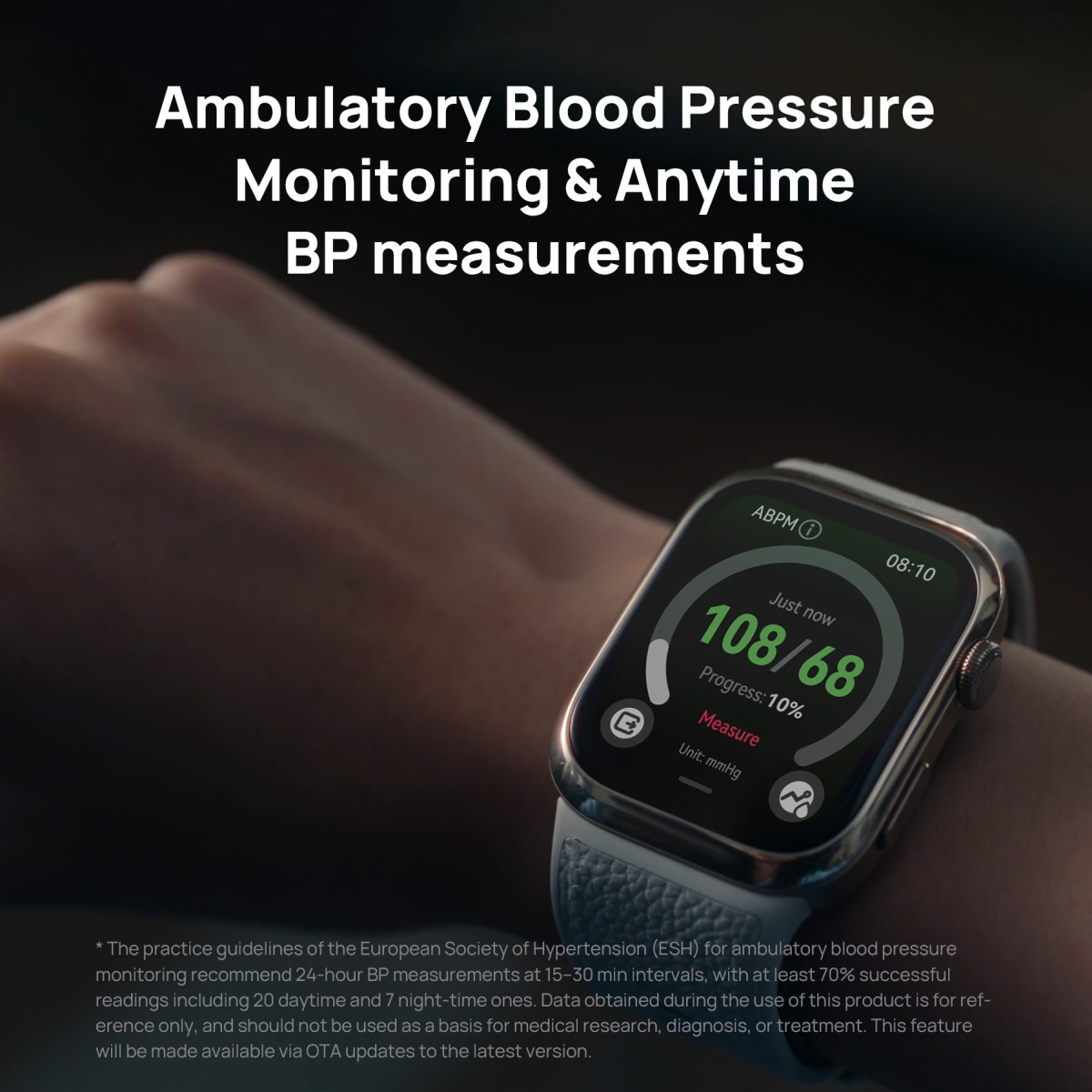
The hardware enabling this is a 26 mm ultra-narrow airbag located behind the main watch strap HUAWEI Global. This airbag strip inflates to compress the wrist, allowing the device to take a physical measurement of blood pressure rather than relying solely on light-based sensors. Whereas some users might expect the strap to be cumbersome, initial reviews suggest it integrates neatly and provides an additional layer of comfort during wear.
Although, the precision of these readings is highly dependent on the user’s technique. The device requires accurate positioning on the wrist to successfully capture a reading. In some instances, the watch may struggle to obtain a measurement if the placement is not exact, highlighting the balance between the convenience of a wearable and the requirements of medical-grade equipment.
Comprehensive Health Suite: Beyond Blood Pressure
While blood pressure is the headline feature, the HUAWEI Watch D2 is positioned as a holistic health hub. The device features an enhanced health glance capable of tracking nine distinct health indicators HUAWEI Global. These indicators allow users to monitor a wide array of physiological data without needing multiple separate devices.
The core health metrics tracked by the Watch D2 include:
- Heart Rate: Continuous monitoring of beats per minute.
- Blood Oxygen (SpO2): Measuring the oxygen saturation levels in the blood.
- Electrocardiogram (ECG): Recording the electrical activity of the heart.
- Skin Temperature: Tracking fluctuations in body temperature.
- Sleep Analysis: Monitoring sleep stages and quality.
By combining these metrics with 24-hour dynamic blood pressure tracking, the watch provides a detailed snapshot of a user’s overall health status. This data is presented on a 1.82-inch AMOLED display, ensuring that health readings are legible and accessible at a glance.
Design Trade-offs and User Experience
Integrating a physical airbag into a wrist-worn device necessitates certain design compromises. The HUAWEI Watch D2 is noted for having a thicker watch body compared to traditional smartwatches TechRadar. This bulk is a direct result of the hardware required to power the blood pressure cuff mechanism.
while the device excels in health monitoring, it is not designed to compete as a general-purpose “power” smartwatch. It lacks some of the more advanced smart features found in other high-end wearables, positioning it more as a specialized health tool than a comprehensive productivity device. This specialization makes it an ideal choice for those prioritizing medical data over app ecosystems.
Comparison of Key Specifications
| Feature | Specification |
|---|---|
| Display | 1.82-inch AMOLED |
| BP Mechanism | 26 mm ultra-narrow airbag |
| Key Health Metrics | 9 indicators (including ECG, SpO2, Skin Temp) |
| Specialty Feature | Ambulatory Blood Pressure Monitoring (ABPM) |
Who is the HUAWEI Watch D2 For?
The HUAWEI Watch D2 is specifically tailored for users who require consistent, reliable blood pressure tracking without the need to carry a standalone cuff throughout the day. Its ability to monitor blood pressure during exercise and throughout a 24-hour cycle makes it particularly useful for those working with healthcare providers to manage cardiovascular health.
While the price point is considered high by some reviewers, the value lies in the unique ABPM capability. For the general consumer who only wants step counting and notifications, the bulk and cost may be deterrents. However, for the health-conscious user or those with specific medical needs, the Watch D2 fills a critical gap in the wearable market.
As wearable technology continues to evolve, the integration of physical measurement tools like the D2’s airbag suggests a future where the line between consumer electronics and medical devices becomes increasingly blurred.
For the latest updates on wearable health certifications and new feature releases, users should monitor official announcements from HUAWEI Global. We encourage our readers to share their experiences with health-tracking wearables in the comments below.
Related reading